
Learn proper drainage solutions for concrete patios in Minneapolis. Expert guidance on slopes, French drains, and preventing foundation water damage in Minnesota yards.
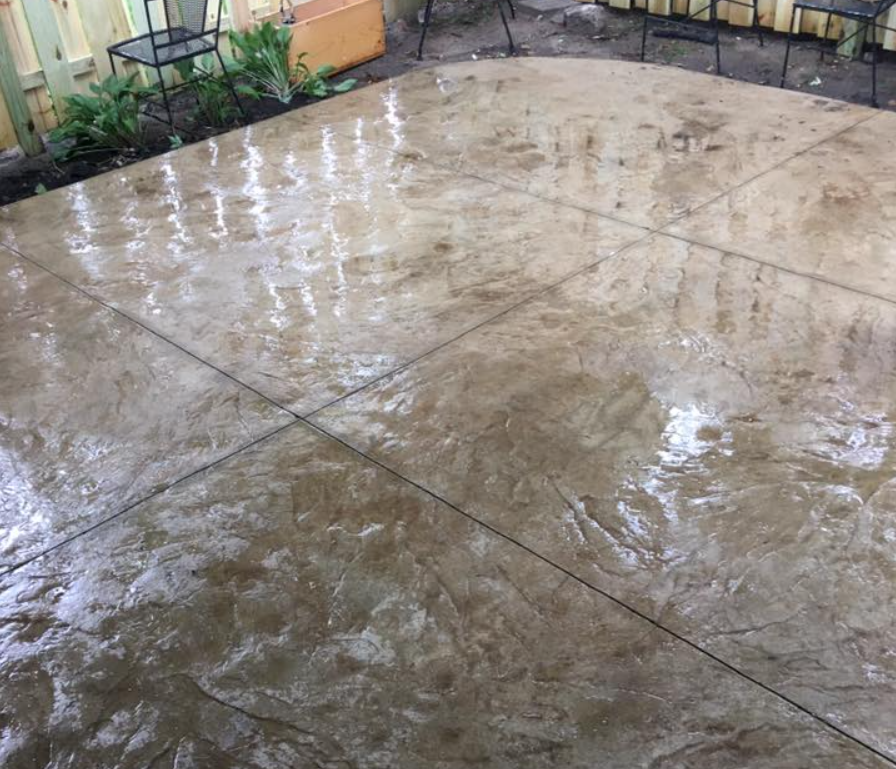
Standing water on your concrete patio after every rain isn't just an inconvenience. In Minnesota's freeze-thaw climate, it's a warning sign that can lead to cracked concrete, foundation problems, and thousands of dollars in repairs. After installing concrete patios across the Twin Cities since 2004, we've seen firsthand how proper drainage makes the difference between a patio that lasts decades and one that fails within years.
The challenge for Minneapolis homeowners goes beyond typical drainage concerns. Our clay-heavy soils, extreme temperature swings, and heavy spring runoff create unique problems that require Minnesota-specific solutions. This guide covers everything you need to know about concrete patio drainage, from proper slope specifications to integrating with your yard's existing drainage systems.
Water is concrete's worst enemy, especially in Minnesota's climate. When water accumulates on or beneath your concrete patio, several destructive processes begin immediately.
Minnesota experiences an average of 40-50 freeze-thaw cycles each winter. When water penetrates concrete and freezes, it expands by approximately 9%, creating enormous internal pressure. This pressure causes:
Unlike warmer climates where drainage primarily prevents staining and algae growth, Minnesota concrete patios face structural threats from poor drainage. A patio that puddles water in October will likely show crack damage by March.
The second major concern involves your home's foundation. Concrete patios installed without proper drainage often slope toward the house, directing hundreds of gallons of water against your foundation with each rain event. This leads to:
Most Minneapolis homeowners don't realize their patio drainage problem until they're dealing with a wet basement. Proper drainage design prevents this issue entirely.
Twin Cities properties typically feature heavy clay soils that compound drainage challenges. Clay holds water like a sponge and drains extremely slowly. When combined with a poorly sloped patio, you get:
Understanding your soil type is essential for designing effective drainage solutions that work with Minnesota's specific conditions.
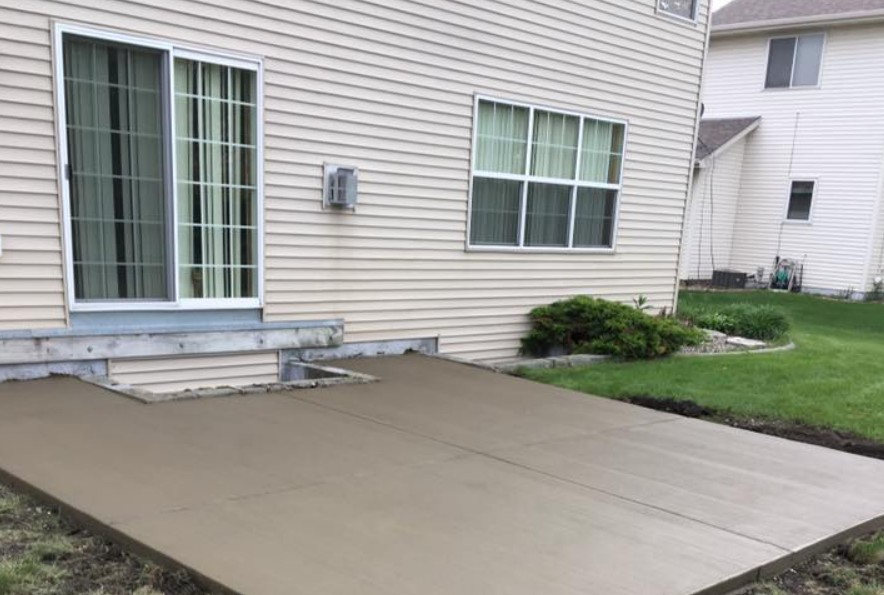
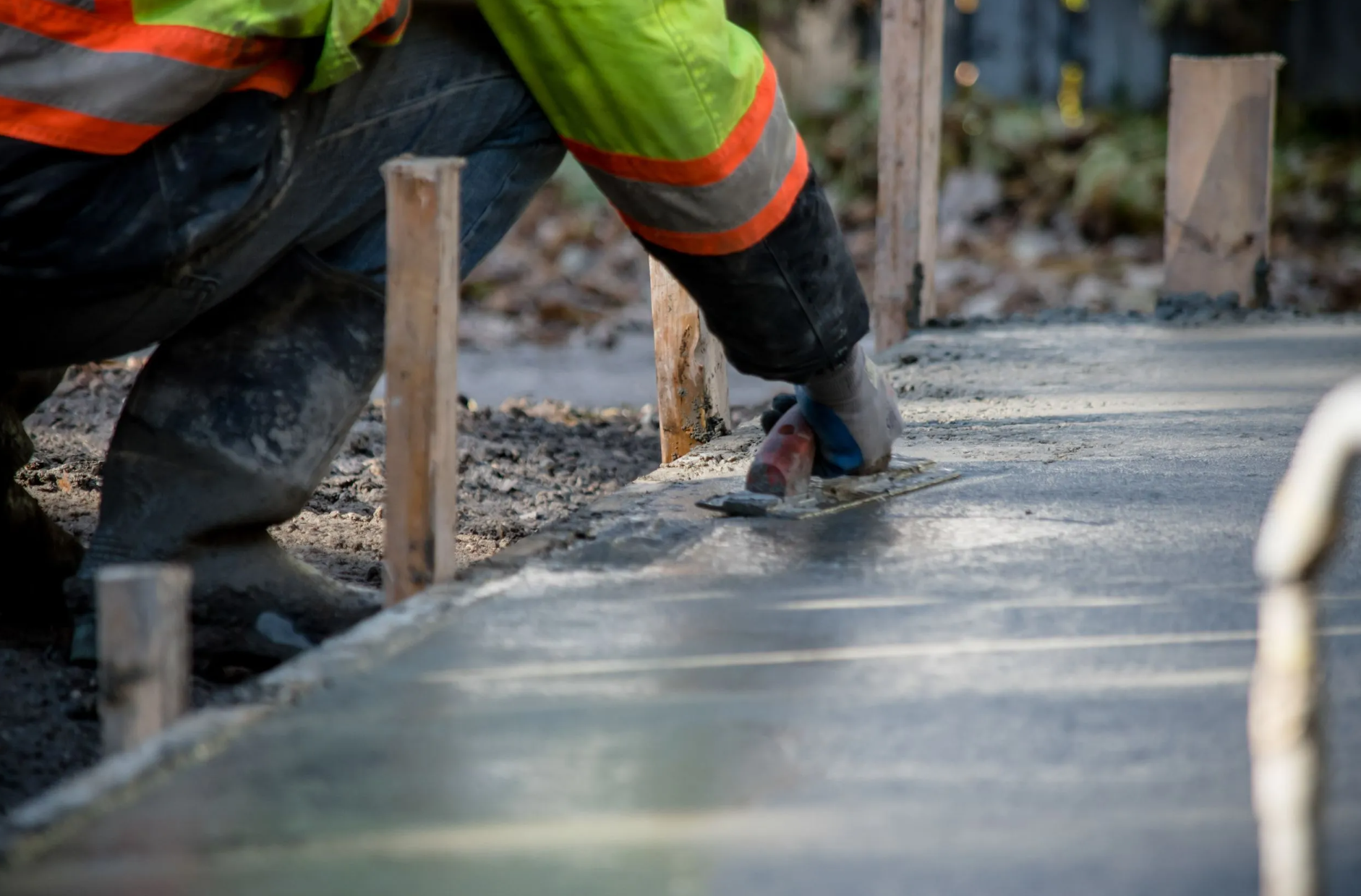
The most critical element of patio drainage happens during installation, not as an afterthought. Proper slope must be built into the concrete pour itself.
Professional concrete contractors follow a strict slope specification: 1/4 inch of drop per linear foot, minimum. This means:
This slope is carefully calculated to be steep enough for positive drainage without being noticeable when walking or placing furniture. Most people cannot detect a 1/4 inch per foot slope visually, but water responds immediately.
The 1/4 inch per foot standard comes from decades of concrete industry experience and testing. Less slope creates problems:
More slope is sometimes necessary based on site conditions, but exceeding 1/2 inch per foot can create noticeable walking surfaces and drainage that's too aggressive.
Large patios often require sophisticated drainage design. A 20x20 foot patio can't simply slope in one direction—the 5-inch height difference would be too dramatic. Instead, we use:
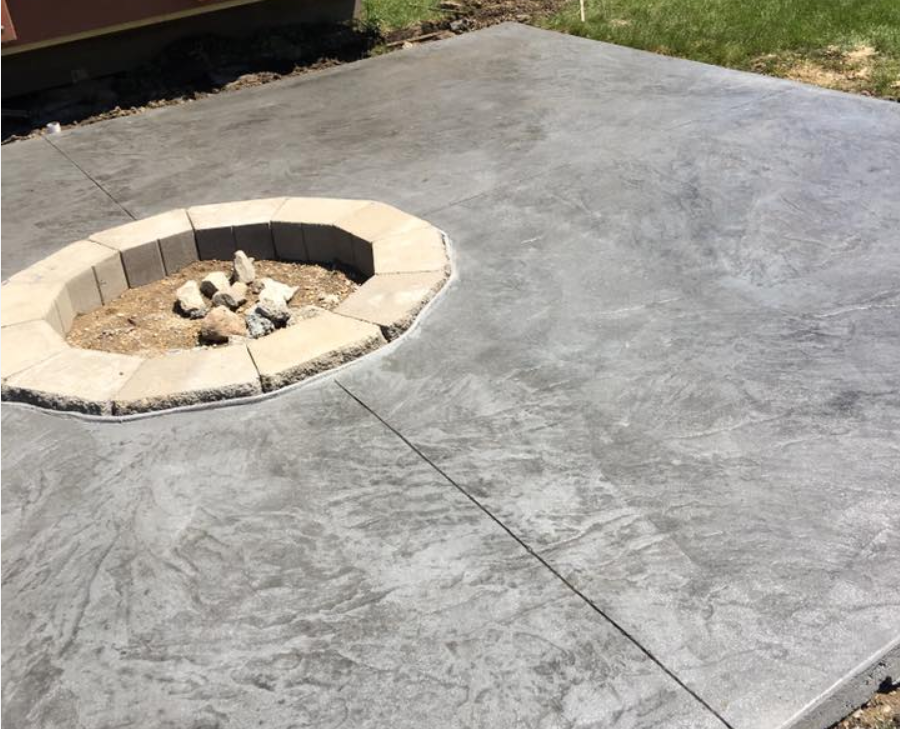
Crown Design: The patio crowns in the middle, sloping toward all edges. This allows large surface areas to drain while maintaining comfortable elevation changes.
Valley Integration: Strategic low points direct water to specific collection areas rather than letting it sheet across the entire surface.
Elevation Transitions: Steps and multi-level designs allow proper drainage while managing larger slope requirements aesthetically.
Our concrete patio contractors calculate these slopes during the design phase, ensuring proper drainage without compromising your patio's appearance or functionality.
Even perfectly sloped patios need somewhere for water to go. Surface drainage systems ensure water moves away from both your patio and your home's foundation.
The soil around your patio matters as much as the patio slope itself. Proper perimeter grading creates a continuous water path:
Transition Zones: The 2-3 feet immediately adjacent to your patio should maintain positive slope away from both the patio and your house. This prevents water from pooling along the patio edge.
Drainage Swales: Shallow depressions that channel water around your property without erosion. These work particularly well in Minneapolis yards where clay soil resists absorption.
Natural Drainage Paths: Your property has existing water flow patterns. Smart patio design works with these patterns rather than fighting them, reducing erosion and drainage problems.
When we install hardscapes around your home, we evaluate the entire property drainage system, not just the immediate patio area.
Patios exceeding 400 square feet often benefit from channel drains—narrow drainage trenches with grated covers. These systems:
Channel drains are particularly valuable when your patio must slope toward a side yard or when you're expanding existing patio areas.
Many Minneapolis patios sit beneath roof overhangs or near downspouts. A single downspout can discharge 1,200 gallons per hour during heavy rain. This concentrated water overwhelms patio drainage systems unless properly managed:
Downspout Extensions: Direct roof runoff 10-15 feet away from your patio perimeter, not onto the patio surface.
Underground Downspout Lines: Permanent solutions that carry roof water to street drainage or yard drainage areas.
Rain Gardens: Strategic plantings that capture and filter runoff before it reaches your patio area.
Ignoring roof runoff is one of the most common patio drainage mistakes we see in Twin Cities installations.
Some patio situations require subsurface drainage systems to handle water that percolates through or around the concrete.
French drains become essential in specific scenarios:
Minneapolis properties in low-lying areas or near lakes often require these more extensive solutions.
A properly constructed French drain system includes:
Perforated Pipe: 4-inch diameter slotted pipe laid with holes facing down (contrary to intuition, this configuration works best for collecting rising groundwater).
Drainage Rock: Clean, angular gravel 3/4 to 1-1/2 inches in size. This specification matters—rounded pea gravel or dirty crushed concrete will clog and fail.
Filter Fabric: Landscape fabric that wraps the gravel and prevents Minnesota's clay soil from washing into and clogging the drainage rock.
Positive Slope: Minimum 1% grade (roughly 1 inch per 8 feet) directing water to an appropriate outlet.
These systems are installed before your patio pour, creating a foundation that manages water from below while your patio slope manages surface water.
Minneapolis properties often have established drainage systems:
Your patio drainage should integrate with these systems rather than fighting them. We evaluate existing drainage during the design phase to ensure compatibility.
Twin Cities soils present unique challenges that affect every drainage decision.
Minnesota clay soils expand when wet and shrink when dry. This creates several patio-specific problems:
Seasonal Movement: Clay can heave frozen ground upward in winter and drop in summer, stressing concrete that's anchored to it.
Poor Permeability: Water moves through clay at rates of 0.01-0.5 inches per hour versus 5-20 inches per hour in sandy soils. This means water sits on the surface much longer.
Cracking When Dry: Severe drought creates clay shrinkage that can open gaps beneath patio edges, leading to settling and cracking.
Proper base construction becomes even more critical in clay conditions:
Excavation Depth: Remove clay soil to a depth of 6-8 inches beneath the finished patio elevation.
Class 5 Base Material: Angular crushed rock that compacts well and provides a stable, draining base layer. This replaces the clay and creates a drainage buffer.
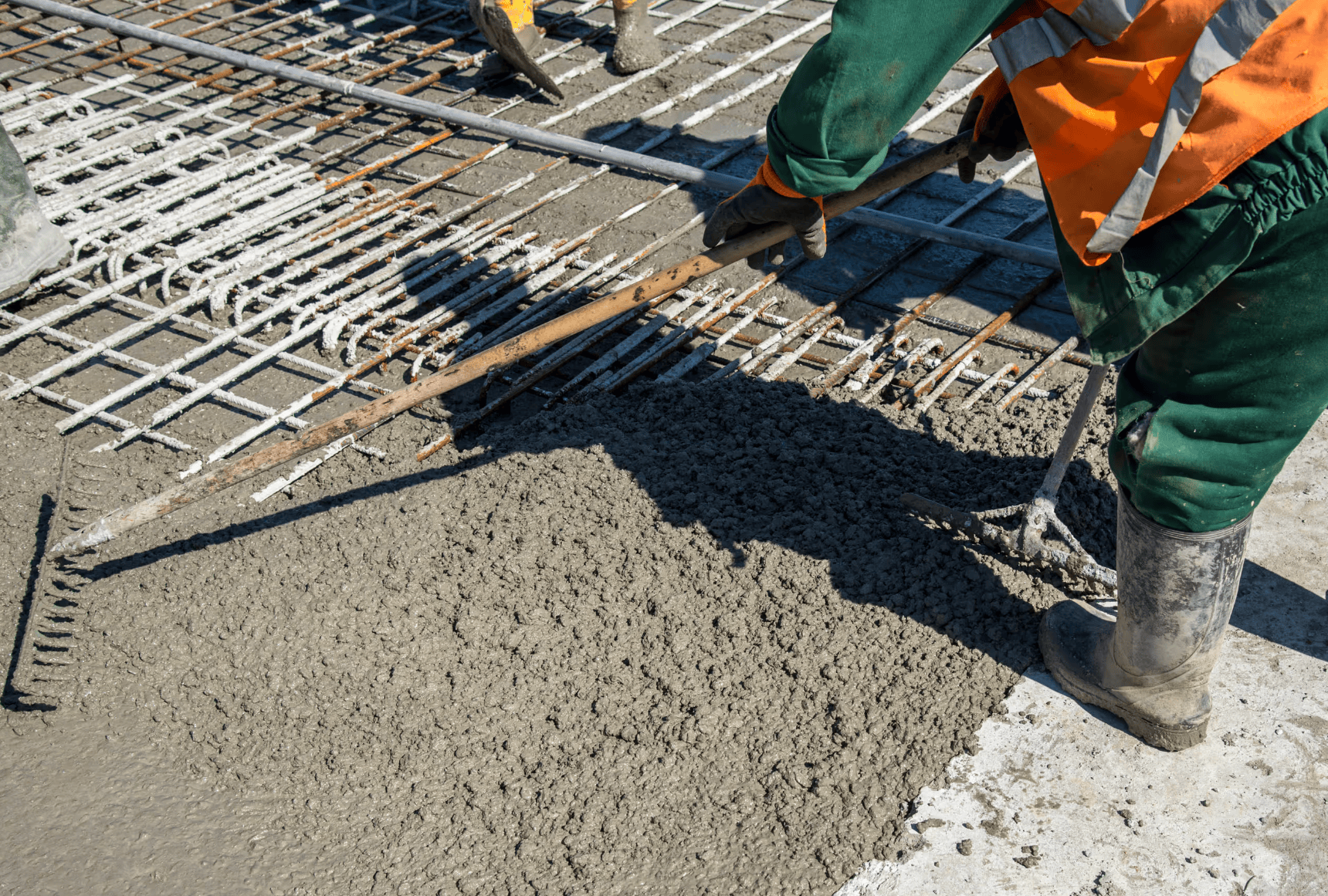
Compaction Standards: Achieve 95% compaction of the base material using appropriate equipment. This prevents future settling.
Geotextile Fabric: Separates your base material from clay subgrade, preventing the clay from wicking moisture into your base layer.
Skipping these steps in clay soils causes 90% of the settling and drainage problems we're called to repair. Our exterior landscape design process accounts for soil conditions from the beginning.
After two decades in the concrete business, we see the same drainage errors repeatedly:
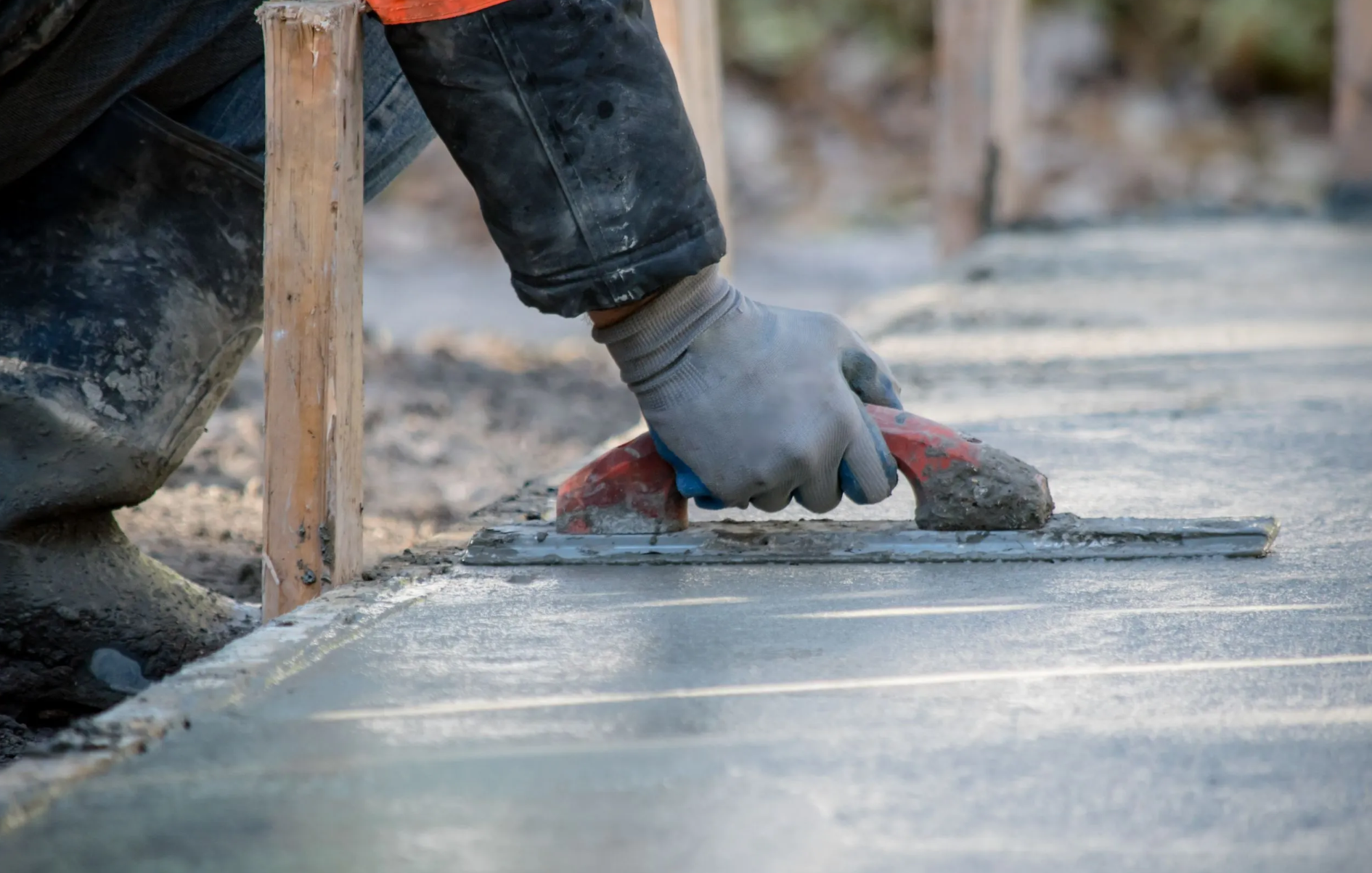
Homeowners and inexperienced contractors often eyeball slope rather than using proper tools. This results in slopes of 1/16 inch per foot or less—completely inadequate for Minneapolis rainfall and snowmelt. Always verify slope with a level and measuring tool during installation.
This seems impossible, but it's surprisingly common with DIY installations or unqualified contractors. Even experienced crews can make this error on complex multi-level designs. The results are always disastrous and require complete patio removal and reinstallation.
Perfect patio slope doesn't help if water has nowhere to go. We routinely see well-sloped patios surrounded by berms of soil that trap water against the patio edge. This creates the same problems as poor slope, with water pooling and saturating the foundation.
Using "whatever gravel was cheapest" or "dirt from the excavation" for drainage areas guarantees failure. Minnesota clay soil will clog any drainage system within 2-3 years. Clean, angular drainage rock costs more but lasts decades.
Expanding an existing patio without evaluating the complete drainage picture causes problems. The original patio might have worked fine with its drainage design, but the expansion changes water volumes and patterns entirely.
Your patio's relationship to your home's foundation deserves special attention.
Building codes typically require finish grade to be 6 inches below your home's siding. This protects the foundation and prevents moisture intrusion. Your patio must maintain this clearance while still sloping away from the house.
Common solutions include:
New concrete patio installations near foundations should coordinate with foundation waterproofing:
These details prevent water from finding paths into your basement through the patio-foundation interface.
Even properly designed drainage requires ongoing attention.
Each spring after snowmelt, inspect your patio drainage:
Catching small drainage changes early prevents major problems.
Small problems have solutions short of complete patio replacement:
Mudjacking: Lifting settled patio sections by pumping material beneath them (typically $3-$8 per square foot).
Edge Grading: Adjusting soil around the patio perimeter to improve water flow ($500-$1,500 for typical projects).
Adding Surface Drains: Installing drain catch basins in problem areas ($200-$400 per drain plus plumbing connections).
Crack Sealing: Preventing water intrusion through seasonal cracks ($150-$400 for typical repair).
These interventions cost far less than replacing damaged concrete.
Drainage expertise separates professional concrete contractors from amateurs.
Before hiring someone for your patio installation, ask these drainage-specific questions:
Contractors who provide detailed, confident answers to these questions understand drainage. Those who wave them off or say "we'll figure it out" will likely create problems.
Minneapolis contractors who've been working in this climate for years—like our team at Preferred 1 Concrete since 2004—bring valuable problem-solving experience. We've seen what works and what fails in Minnesota's unique combination of clay soil, freeze-thaw cycles, and precipitation patterns.
This experience means:
Understanding the financial impact of drainage issues helps you prioritize proper installation.
Here's what fixing drainage problems costs versus building correctly from the start:
Complete Patio Replacement: $8,000-$25,000 for typical 300-400 square foot patios (versus adding $500-$1,500 for proper drainage during initial installation).
Foundation Waterproofing Repairs: $5,000-$15,000 to fix foundation problems caused by patio drainage issues.
Mudjacking and Leveling: $1,200-$3,500 to address settling from poor drainage, with no guarantee problems won't recur.
Landscape Erosion Repair: $2,000-$6,000 to fix yard damage from uncontrolled patio runoff.
Proper drainage costs a fraction of these repair expenses and prevents the hassle entirely.
A well-drained concrete patio adds value to your Minneapolis property:
This value compounds over decades of problem-free use.
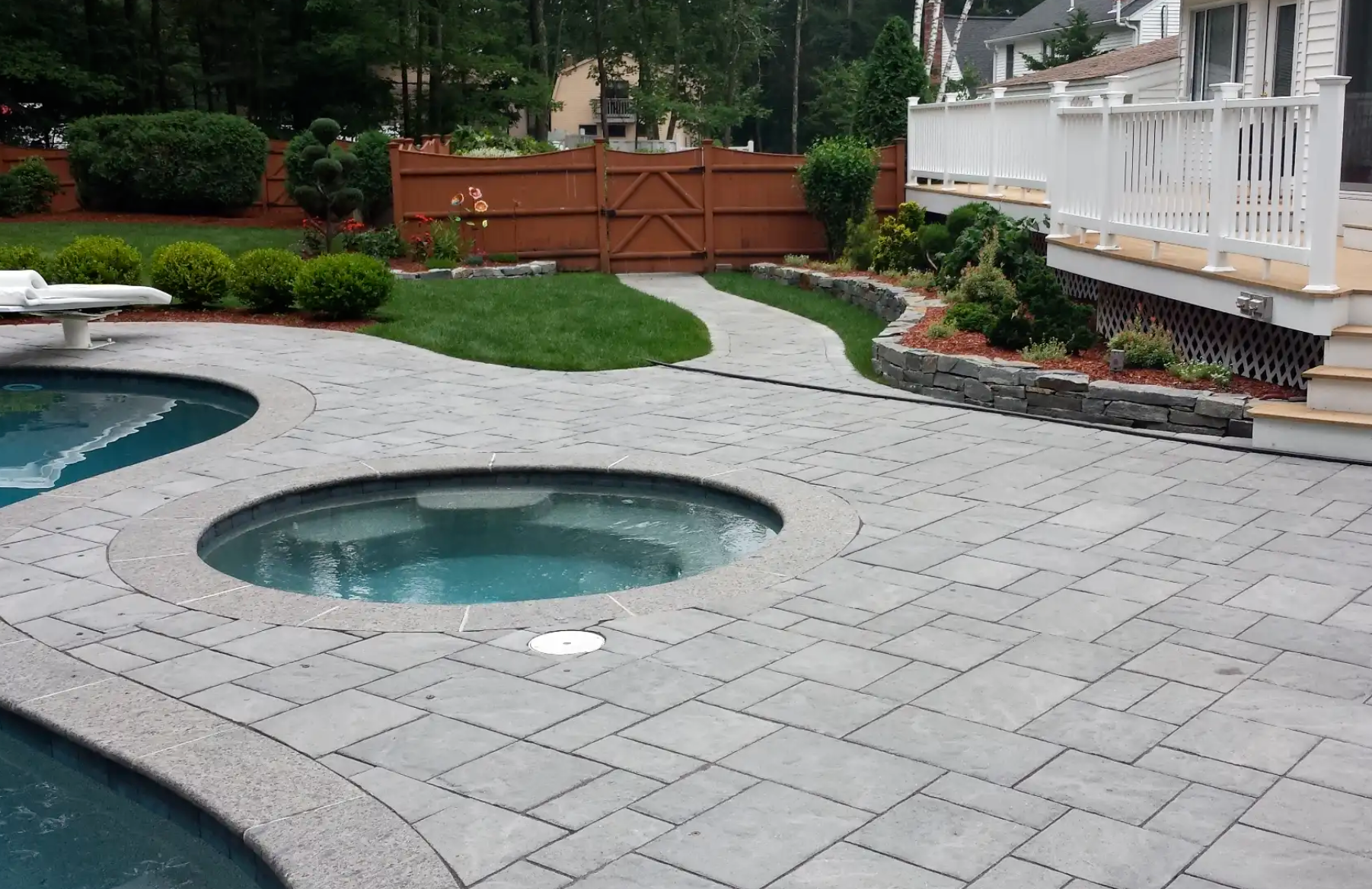
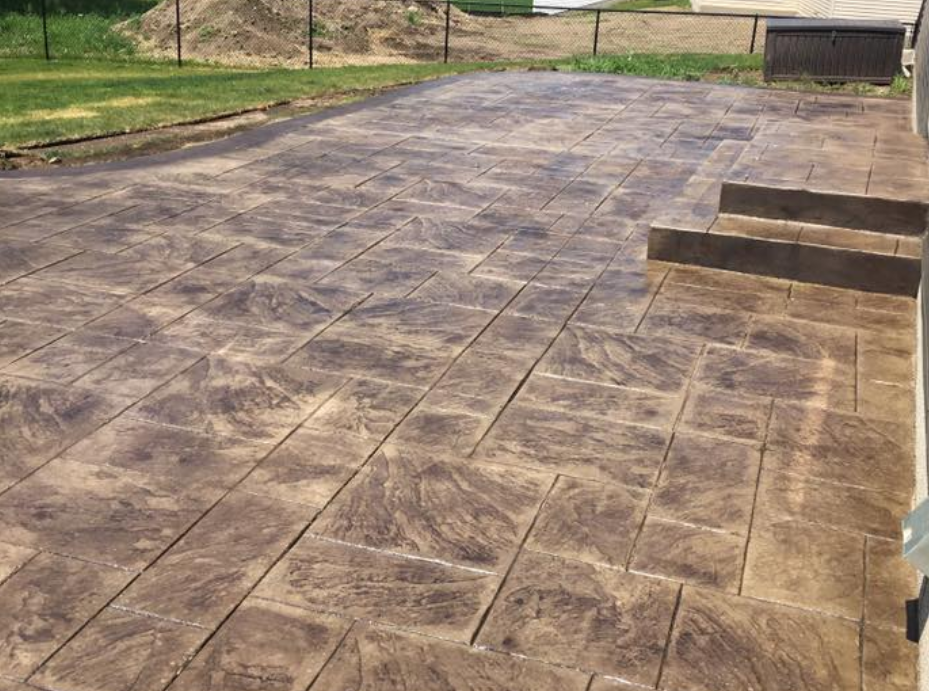
Every Minneapolis homeowner considering a concrete patio should prioritize drainage from the very first planning discussion. The beauty of stamped concrete, the convenience of expanded outdoor living space, and the enjoyment of summer evenings—all of these depend on water flowing away from your patio, not pooling on it or threatening your foundation.
At Preferred 1 Concrete, we've built our reputation on doing things right the first time. That means proper slope calculations, quality drainage materials, thorough base preparation for Minnesota clay soils, and integration with your property's complete drainage system. We're not just pouring concrete—we're engineering solutions that handle the unique challenges of the Twin Cities climate.
If you're planning a concrete patio project or dealing with drainage issues on an existing patio, we'd be happy to evaluate your property and provide recommendations. With over 20 years of experience in the Minneapolis area, we've seen virtually every drainage scenario and know how to solve them.
Ready to discuss your concrete patio project? Contact Preferred 1 Concrete for a consultation. We'll evaluate your property's specific drainage challenges and design a solution that protects your investment for decades to come.




.png)
.png)
.png)
.png)
.png)






.png)
.png)


