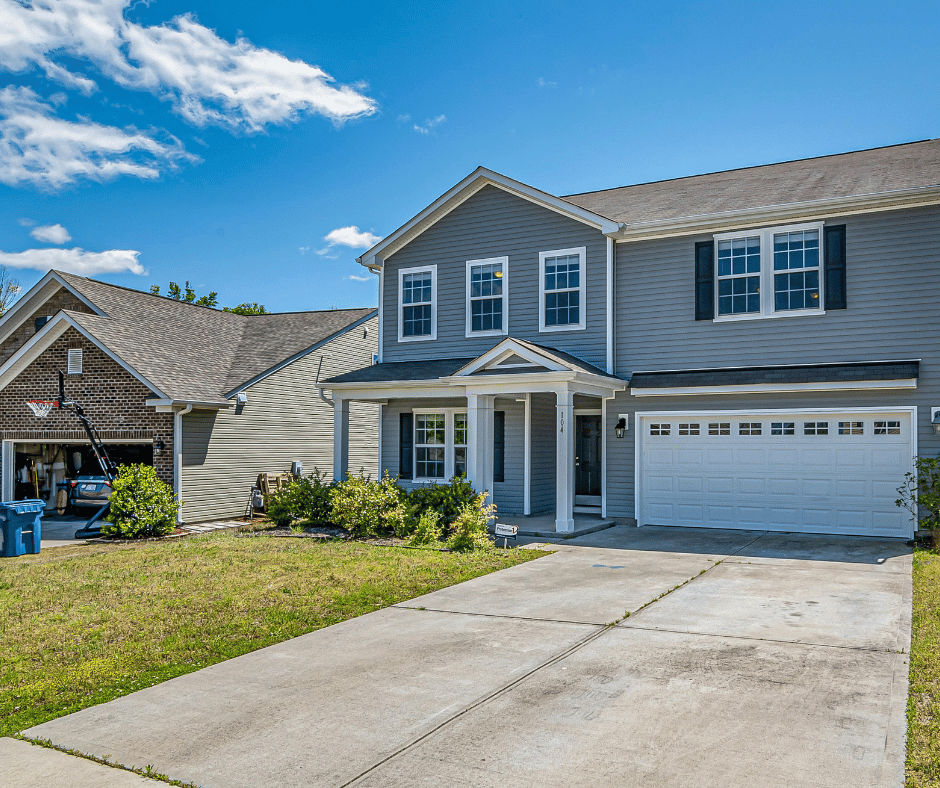
When is the Best Time to Pour Concrete in Minnesota? (Seasonal Guide for Homeowners)

When should you pour concrete in Minnesota? Learn optimal temperatures, seasonal advantages, and why planning ahead saves money on your concrete project.

The Question Every Minnesota Homeowner Asks: When Can I Pour Concrete?

You're ready to move forward with your concrete driveway, patio, or driveway apron project. But then Minnesota's weather reality hits you: we have brutal winters, unpredictable springs, scorching summer days, and short fall windows.

So when is the best time to pour concrete in Minnesota?

The short answer: May through September is the optimal concrete installation season in Minnesota, with May, June, and September offering the best conditions. However, concrete can be successfully installed from April through October with proper planning and techniques.

But there's much more to this story. Understanding Minnesota's seasonal concrete considerations helps you:

  • Plan your project timeline realistically
  • Get better contractor availability and potentially better pricing
  • Ensure your concrete cures properly for maximum durability
  • Avoid costly mistakes from improper timing

Let's break down exactly what you need to know about concrete installation timing in Minnesota.

Why We're Sharing This Seasonal Guide

We're Preferred 1 Concrete, and we've been pouring concrete throughout Minneapolis-St. Paul and the South Metro since 2004. My father's been in the concrete business since the 1980s. Between us, we've poured concrete in almost every weather condition Minnesota can throw at contractors.

We created this guide because timing questions are among the most common we receive. Homeowners want to know when to schedule their projects, and more importantly, they want to understand why timing matters for long-term concrete durability.

Our goal is simple: help you make an informed decision about when to schedule your concrete project. If you plan during optimal seasons and book early, we'd love the opportunity to build your concrete patio, driveway, or hardscaping feature.

Now let's explore Minnesota's concrete seasons in detail.

The Science Behind Concrete Temperature Requirements

Before we dive into seasonal specifics, you need to understand why temperature matters so much for concrete.

Optimal Concrete Curing Temperatures

Ideal temperature range: 50°F to 85°F (both air and concrete temperature)

Why this matters:

Below 50°F: Concrete hydration (the chemical reaction that makes concrete hard) slows dramatically. Below 40°F, it nearly stops. Concrete poured when too cold:

  • Takes much longer to gain strength
  • May never reach full design strength
  • Becomes vulnerable to freeze damage before curing
  • Can experience surface scaling and deterioration

Above 90°F: Concrete sets too quickly, creating problems:

  • Insufficient time for proper finishing
  • Increased shrinkage cracking risk
  • Difficulty maintaining proper moisture during curing
  • Potential for cold joints if placement takes too long
  • Surface crazing (fine cracks) more likely

Ideal 50-85°F range: Concrete hydrates at a predictable rate, allowing:

  • Proper finishing time
  • Controlled curing
  • Optimal strength development
  • Minimal cracking risk
  • Best long-term durability

Why Minnesota Makes Concrete Timing Tricky

Minnesota's temperature extremes create challenges:

Winter: Daily highs below 32°F for months make concrete installation impractical without expensive heating measures

Spring: Temperature swings (70°F one day, 35°F the next) create unpredictability

Summer: Stretches of 90°F+ days require extra precautions for concrete placement

Fall: Rapidly dropping temperatures narrow the installation window

The key to success: working within optimal temperature windows and using proper techniques when conditions are marginal.

Spring Concrete Installation in Minnesota (April-May)

Spring is when homeowners start thinking about concrete projects, but it's also Minnesota's most unpredictable season.

April: Proceed with Caution

Temperature reality: Daily highs 45-60°F, overnight lows 25-40°F

Frost considerations: Ground frost can persist into mid-April in parts of Minnesota. Pouring concrete on frozen ground is a recipe for disaster—the concrete will crack as the ground thaws and settles.

Soil moisture: Spring snowmelt creates saturated soils. Proper excavation and base preparation become more challenging when everything is wet.

Advantages of April concrete work:

  • Contractors have more availability (peak season hasn't started)
  • Potential for better pricing (10-15% possible savings)
  • Projects completed before summer vacation season

Disadvantages and risks:

  • Temperature unpredictability (can still snow!)
  • Ground may still have frost in shaded areas
  • Wet soil conditions complicate excavation
  • Overnight freezing risk (concrete needs 3-7 days above freezing)
  • Weather delays more likely

Verdict: April is possible but risky. Only proceed if:

  • Ground is completely thawed
  • Extended forecast shows 7+ days above 40°F
  • You're working with experienced contractors who understand cold-weather concrete placement
  • You're willing to accept potential weather delays

At Preferred 1 Concrete, we typically begin scheduling concrete projects in late April, but we watch weather forecasts carefully and communicate honestly about potential delays.

May: The Season Opens

Temperature reality: Daily highs 60-75°F, overnight lows 40-55°F

Why May is excellent for concrete:

Optimal temperatures: Daytime temperatures in the ideal 50-85°F range, with nighttime temps staying above 40°F consistently

Ground conditions: Soil has dried and warmed sufficiently for proper excavation and base preparation

Predictable weather: While rain is possible, dramatic temperature swings become less common

Contractor availability: While demand is building, you can still often book projects within 2-4 weeks (vs. 6-8 weeks in peak summer)

Advantages of May concrete installation:

  • Excellent curing conditions
  • Projects completed before peak summer heat
  • Still good contractor availability
  • Ground conditions optimal for excavation
  • Patio projects finished in time for summer entertaining

Potential challenges:

  • Spring rains can cause delays
  • Demand increasing (book 3-4 weeks ahead)
  • Occasional cool streaks may require slight adjustments

Verdict: May is one of the best months for concrete in Minnesota. This is prime booking season—contact contractors early.

Planning tip: Start planning your spring concrete project in winter to secure your preferred timeline.

Summer Concrete Installation in Minnesota (June-August)

Summer is peak concrete season in Minnesota. The weather is most predictable, but it brings its own challenges.

June: Peak Season Perfection

Temperature reality: Daily highs 70-85°F, overnight lows 55-65°F

Why June is the gold standard:

Ideal conditions: Temperatures consistently in the optimal range for concrete placement and curing

Long daylight hours: Allows for efficient work (concrete can be placed and finished in a single day with plenty of daylight)

Warm overnight temperatures: Concrete continues curing properly overnight without protection

Dry conditions: Lowest precipitation month in Minnesota (typically)

Advantages of June concrete work:

  • Best possible curing conditions
  • Maximum contractor efficiency (no weather delays)
  • Patios and driveways ready for immediate use
  • Predictable project timelines

Challenges:

  • Highest demand season: Book 6-8 weeks ahead minimum
  • Premium pricing: Contractors are busiest, less likely to offer discounts
  • Vacation season: May need to coordinate around family vacations

Verdict: June is absolutely prime time for concrete, but book early. This is when schedules fill fastest.

July: Hot but Manageable

Temperature reality: Daily highs 80-90°F, overnight lows 60-70°F

Heat considerations for concrete:

When temperatures exceed 85-90°F, concrete contractors must take special precautions:

Rapid setting: Concrete sets faster in heat, reducing finishing time window

Increased water evaporation: Surface moisture evaporates quickly, requiring careful curing

Plastic shrinkage cracking: Hot, dry, windy conditions can cause surface cracks before finishing is complete

Thermal cracking: Temperature differential between concrete and ambient air increases cracking risk

How quality contractors manage hot weather:

  • Schedule pours for early morning (cooler temperatures)
  • Use retarding admixtures to slow setting time
  • Add ice or chilled water to concrete mix
  • Apply evaporation reducers during finishing
  • Implement aggressive curing (wet burlap, curing compounds, fog misting)
  • Work efficiently with experienced crews

Advantages of July concrete work:

  • Warm temperatures ensure proper curing
  • No frost risk whatsoever
  • Projects still completed before fall
  • Consistent weather patterns

Challenges:

  • Heat requires extra precautions
  • Afternoon storms possible (though typically brief)
  • Still high demand (book 6-8 weeks ahead)
  • Hottest days may require early morning scheduling

Verdict: July is excellent for concrete if your contractor knows proper hot-weather techniques. At Preferred 1 Concrete, our ACI certification includes hot-weather concrete procedures—we know exactly how to manage heat challenges.

August: Late Summer Window

Temperature reality: Daily highs 75-85°F, overnight lows 55-65°F

Why August mirrors June conditions:

Excellent temperatures: Back in the ideal range as peak heat subsides

Still warm overnight: Proper curing continues without protection

Slightly less demand: Some homeowners have already completed projects

Advantages of August concrete installation:

  • Near-perfect temperatures
  • Slightly better availability than June/July
  • Projects completed before school starts
  • Still plenty of warm weather ahead to enjoy new patios

Challenges:

  • Early August still busy (book 4-6 weeks ahead)
  • Late August sees contractors booking fall projects
  • Kids returning to school may limit homeowner availability for consultation

Verdict: August is another prime month—it's like June's quieter cousin. Temperatures are ideal and demand eases slightly.

Fall Concrete Installation in Minnesota (September-October)

Fall offers a second excellent window for concrete, but the season closes quickly.

September: The Fall Sweet Spot

Temperature reality: Daily highs 65-75°F, overnight lows 45-55°F

Why September rivals May for best conditions:

Optimal temperatures: Perfect range for concrete curing

Lower humidity: Crisp fall air creates excellent finishing conditions

Reduced demand: Many homeowners have completed summer projects

Advantages of September concrete work:

  • Ideal curing temperatures
  • Better contractor availability (2-4 week booking possible)
  • Potential for end-of-season pricing (5-10% savings possible)
  • Projects completed before winter
  • Less competition for scheduling
  • Lower pollen/allergen levels (matters for homeowners with sensitivities)

Considerations:

  • Early frost possible late in month (rare but watch forecasts)
  • Days getting shorter (limits working hours slightly)
  • Fall rains can cause delays

Verdict: September is exceptional for concrete—potentially the best-kept secret in Minnesota concrete installation. You get June-quality conditions with better availability and pricing.

This is when smart homeowners who couldn't book summer slots secure excellent concrete work.

October: The Window Closes

Temperature reality: Daily highs 50-65°F, overnight lows 30-45°F

Why October becomes risky:

Temperature drops: Particularly toward month end, temps approach the 40°F threshold

Frost risk: First frost typically occurs mid-to-late October across Minnesota

Shortened days: Limited daylight hours reduce work efficiency

Curing concerns: Concrete needs 7+ days above 40°F; this becomes uncertain by late October

Early October (first 10-14 days) can work if:

  • Extended forecast shows consistent 50°F+ temperatures
  • No frost predicted for 7-10 days after pour
  • Contractor can blanket/protect concrete if temperatures drop
  • You're willing to accept weather delay risk

Mid-to-late October: Generally inadvisable for concrete installation. The risk of cold damage to curing concrete is too high.

Advantages of early October work:

  • Possible availability for urgent projects
  • End-of-season pricing may be available
  • Contractors wrapping up before winter

Disadvantages and risks:

  • Weather unpredictability high
  • Frost risk increasing
  • May require protective blankets ($200-$500 additional)
  • Contractors hesitant (liability for cold damage)
  • Very short booking window (1-2 weeks max)

Verdict: Only pursue October concrete for urgent projects where weather delays are acceptable. Most quality contractors prefer to close the season by early-to-mid October.

Winter Concrete in Minnesota: Generally Not Recommended

Temperature reality: Daily highs 10-35°F, overnight lows -10°F to 25°F

Why winter concrete is problematic:

Freezing temperatures: Concrete cannot cure properly below 40°F

Frozen ground: Cannot excavate or prepare proper base

Snow and ice: Impossible to maintain clean, dry work conditions

Requires extreme measures:

  • Heated enclosures around work area ($2,000-$5,000+)
  • Concrete blankets and insulation
  • Heated concrete mixes
  • Extended curing time with heat
  • Ground thawing equipment

When winter concrete happens:

Emergency repairs: Structural issues requiring immediate attention (rare for residential work)

Commercial projects: With budgets for heated enclosures and weather protection

Industrial facilities: Where operations cannot wait for spring

For residential projects like patios, driveways, and aprons: winter concrete installation is not cost-effective or advisable.

Use winter for planning: Instead of attempting winter installation, use these months to plan your spring project. Book early for prime May-June slots.

How to Plan Your Concrete Project Timeline

Understanding optimal seasons is one thing. Actually getting your project scheduled requires planning.

The Minnesota Concrete Booking Timeline

December-February (Planning Season):

  • Research contractors
  • Develop project design and scope
  • Get initial estimates
  • Make decision and secure financing if needed
  • Book spring projects (best contractors book spring slots in January-February)

March-April (Booking Spring Projects):

  • Finalize spring project details
  • Book May-June installation slots (book 6-8 weeks ahead)
  • Apply for permits if needed

May-August (Peak Season):

  • Book 6-8 weeks ahead for June-August work
  • For urgent needs, some contractors maintain 2-4 week rush capacity (expect premium pricing)
  • This is when schedules are fullest

September (Fall Window):

  • Book 2-4 weeks ahead
  • Better availability than summer
  • Excellent conditions continue

October (Season Closing):

  • Very limited availability
  • Most contractors wrapping up for winter
  • Book 1-2 weeks ahead if weather cooperates

How Far Ahead Should You Book?

May-June installation: Book in January-March (3-6 months ahead for best contractors)

July-August installation: Book in April-May (2-4 months ahead)

September installation: Book in July-August (1-2 months ahead)

April or October installation: Book 3-4 weeks ahead (weather-dependent)

Why book so far ahead?

Quality contractors like Preferred 1 Concrete maintain full schedules throughout the season. The best contractors book first. If you wait until perfect spring weather arrives to start calling contractors, you'll be booking into mid-summer or later.

Weather Delays: What to Expect

Even with perfect planning, weather can cause delays. Here's what's normal:

Rain Delays

Before concrete placement: Rain delays are common and not a concern. We simply reschedule. Your excavation and base work stay protected.

During concrete placement: We cannot pour concrete in rain. Any significant rain (more than light drizzle) stops work. Concrete already placed gets protected with tarps.

After concrete placement (first 24 hours): Light rain is fine and can even help curing. Heavy rain requires protective tarps to prevent surface damage.

Typical delay: 1-3 days for weather to clear and site to dry

Temperature Delays

Unexpected cold fronts: If temperatures drop below 40°F overnight within 7 days of planned pour, we may delay.

Heat waves: Extreme heat (95°F+) may require early morning scheduling adjustments.

Typical delay: 3-7 days until favorable conditions return

Setting Expectations

Quality contractors build some weather buffer into schedules. A project scheduled for "late May" might actually pour mid-June if weather doesn't cooperate.

This is normal and protects your investment. Rushing concrete placement in poor conditions creates problems that last decades.

At Preferred 1 Concrete, we communicate proactively about weather impacts. We'd rather delay a few days than compromise your concrete's long-term durability.

Special Considerations for Different Concrete Projects

Different projects have different seasonal considerations:

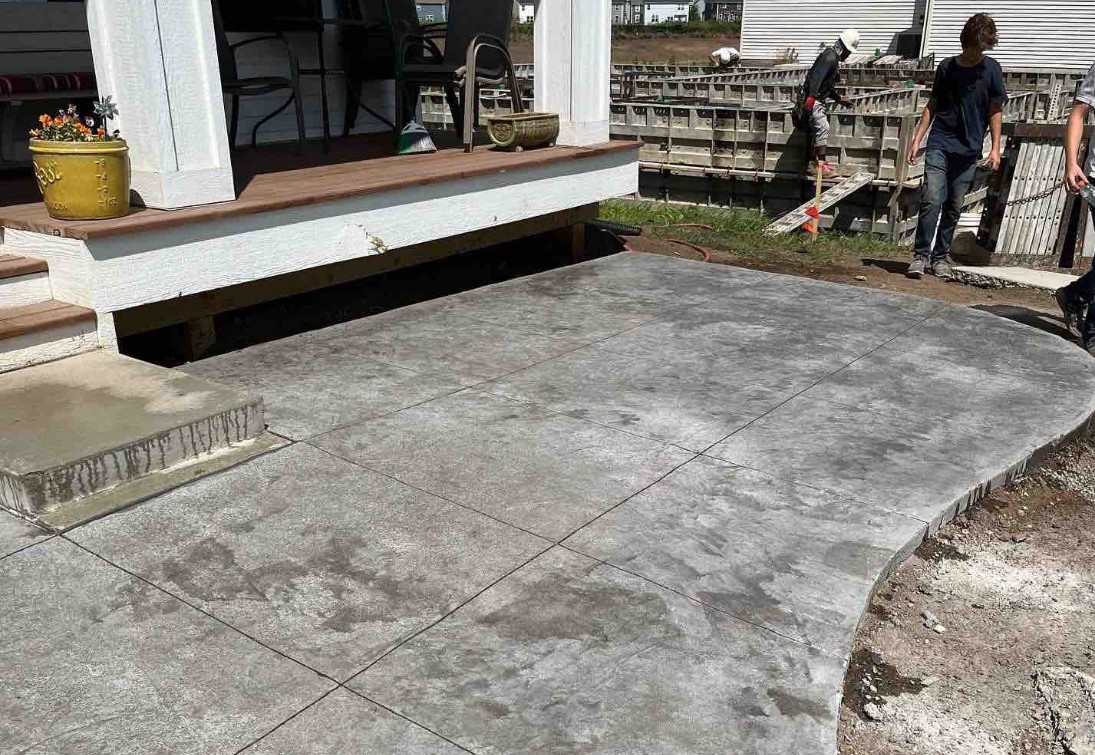
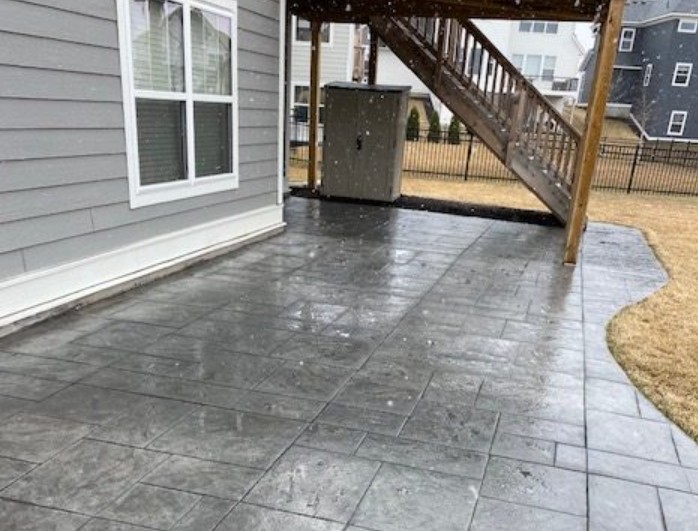
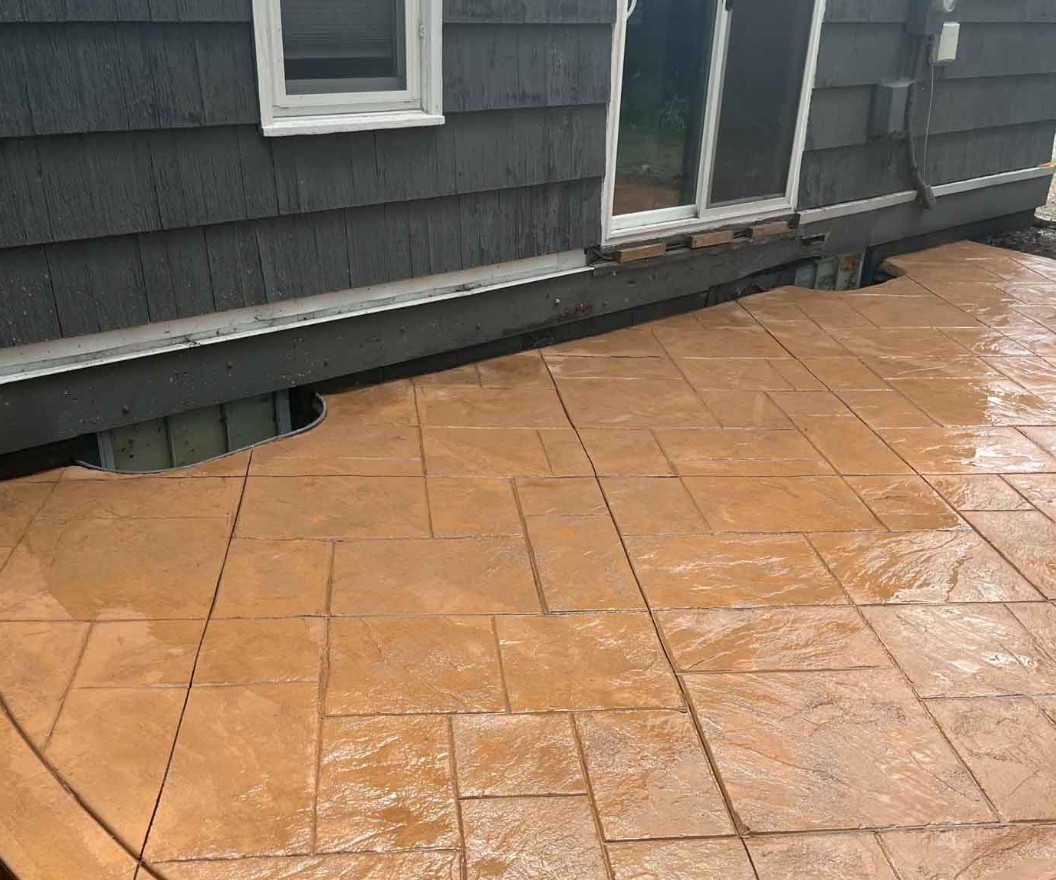
Concrete Patios

Optimal timing: May-September

Advantages of spring installation: Patio ready for summer entertaining

Advantages of fall installation: Completed before winter; can cure through fall and be sealed in spring

Size matters: Large patios (500+ sq ft) benefit from cooler days (high 60s-low 70s) to allow proper finishing time

Concrete Driveways

Optimal timing: May-September

Advantages of spring installation: Driveway ready for summer use, no impact on winter snow removal

Cure time consideration: Driveways need 7 days before foot traffic, 28 days before vehicles. Plan accordingly for your parking needs.

Access issues: Some properties have limited access during mud season (April-early May). Better to wait until ground dries.

Driveway Aprons

Optimal timing: May-September

Permit considerations: Apron work often requires city permits, which can take 2-4 weeks. Factor this into scheduling.

Advantages of summer installation: Longer daylight hours help with curb removal/replacement if needed

Coordination with street work: Check with your city about planned street maintenance—don't install an apron weeks before your street gets resurfaced.

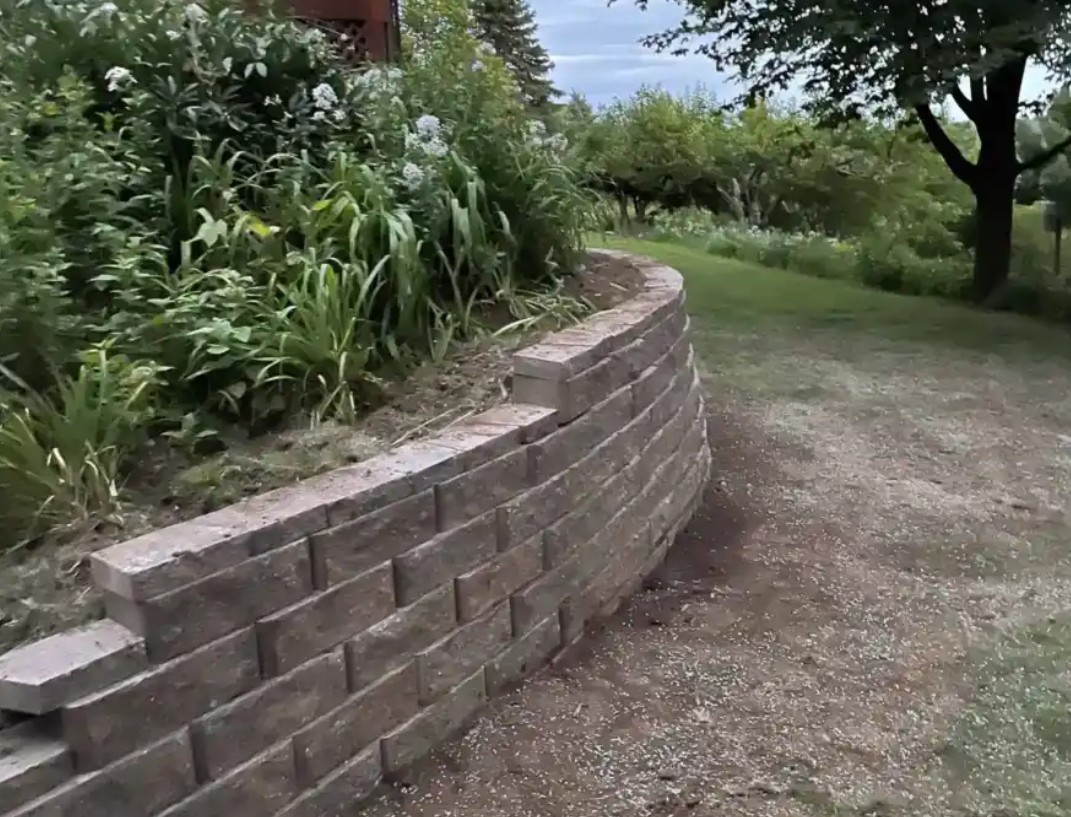
Retaining Walls (Concrete Block or Poured)

Optimal timing: May-October (slightly wider window than flatwork)

Advantages of fall installation: Retaining walls can be built later in season since they don't require the same flat finishing work

Excavation considerations: Wall projects require significant excavation; better to do this when ground is dry (June-September)

Hardscaping Projects

Optimal timing: May-September

Complexity matters: Complex hardscaping projects with multiple elements benefit from longer summer days

Staging: Large projects may span multiple weeks; begin in late spring to complete by early fall

Preferred 1 Concrete's Seasonal Approach

Now that you understand Minnesota's concrete seasons, let's explain how we work within them.

Our Season: April through October

We actively install concrete from April through October, with our core season being May through September. We adjust techniques based on conditions:

April/October (Shoulder Season):

  • Watch weather forecasts carefully
  • Use insulating blankets when needed
  • Schedule only when 7+ day favorable forecasts exist
  • Communicate honestly about weather risk

May-September (Prime Season):

  • Standard techniques appropriate for conditions
  • Hot weather procedures for 85°F+ days
  • Efficient scheduling with typical 4-6 week booking windows

Why Our Volumetric Mixing Gives Us Seasonal Advantages

Our CemenTech C60 volumetric mixer provides flexibility that traditional ready-mix concrete cannot:

No time-out pressure: Materials stay separate until mixing, eliminating the "race against the clock" that plagues ready-mix in hot weather

Mix adjustments: We can adjust mixes on-site for temperature conditions (retarders for heat, accelerators for cool weather if needed)

Precise batching: Computerized controls ensure perfect mix consistency regardless of conditions

Minimal waste: No ordering extra concrete "just in case"—we mix exactly what you need

This technology makes us more flexible across Minnesota's seasons while maintaining the highest quality standards.

Our ACI Certification and Seasonal Expertise

As ACI-certified concrete technicians, we're trained in:

  • Hot weather concrete placement procedures
  • Cold weather concrete protection techniques
  • Proper curing methods for varying conditions
  • Testing protocols to verify concrete quality

This certification means we know exactly when conditions are suitable and what techniques each season requires.

Communication Throughout Your Project

We keep you informed about:

  • Weather forecasts affecting your project
  • Any necessary timeline adjustments
  • What we're doing to optimize conditions
  • What to expect during curing

You'll never wonder what's happening with your concrete patio or driveway installation.

Your Next Step: Book Your Project Now

You now understand when to pour concrete in Minnesota and why timing matters for long-term durability. The key insight: the best contractors book months ahead during peak season.

If you're planning a concrete project for this year, the time to book is now:

For May-June installation: Book January-March

For July-August installation: Book April-May
For September installation: Book July-August

Contact Preferred 1 Concrete today to schedule your concrete project. We serve Minneapolis, St. Paul, Lakeville, Burnsville, Eagan, Apple Valley, Prior Lake, Edina, Minnetonka, and throughout the Twin Cities.


Stamped Concrete Patio Cost Guide: Minneapolis Pricing for Popular Patterns & Colors

How much does stamped concrete cost in Minneapolis? Get detailed 2026 pricing by pattern complexity, colors, and size plus ROI analysis for your patio project.

When is the Best Time to Pour Concrete in Minnesota? (Seasonal Guide for Homeowners)

When should you pour concrete in Minnesota? Learn optimal temperatures, seasonal advantages, and why planning ahead saves money on your concrete project.

Concrete Patio vs. Deck: Which is Better for Minnesota Homes? (Cost, Maintenance & ROI Compared)

Concrete patio or wood deck for your Minnesota home? Compare upfront costs, 20-year maintenance, durability, and resale value to make the right choice.

Concrete Driveway Cost Minneapolis: Complete 2026 Pricing Breakdown by Size and Style

How much does a concrete driveway cost in Minneapolis? Get transparent 2026 pricing by size, finish type, and site conditions from Twin Cities concrete experts.

Best Concrete Contractor Near Me: How to Choose the Right One in the Twin Cities

Looking for the best concrete contractor in Minneapolis-St. Paul? Learn the 7 critical factors that separate quality concrete contractors from the rest in Minnesota.

How Much Does a Concrete Patio Cost in Minnesota? (Twin Cities Pricing Guide)

Understand the costs associated with building a patio at your Twin Cities home.

How Tall Can You Build a Retaining Wall Without a Permit in Minnesota?

Make sure your retaining wall is compliant with local codes.

Does a Concrete Patio Increase Home Value? (Minnesota Real Estate Data Inside)

Learn about the financial benefits of adding patio to your Twin Cities yard.

Best Concrete Patio Styles for Minnesota Outdoor Living (From Homeowners Who Use Them Year-Round)

Check out some of the most popular types of patios for Twin Cities homes.

How to Protect Your Concrete Patio from Minnesota's Freeze-Thaw Cycles (And Why It Matters)

Keep your patio and retaining wall safe this winter with these tips from our experts at Preferred 1 Concrete.

Modern Concrete Patio Cost Breakdown: What Minneapolis Homeowners Should Expect in 2026

When planning to install a new concrete patio, you can expect the following expenses.

7 Modern Concrete Patio Color Trends Replacing Plain Gray in Twin Cities Backyards

When installing a new concrete patio at your Twin Cities home, consider these popular colors.

Modern Concrete Patio Ideas for Minneapolis Homes: 2025-2026 Design Trends

Check out these ideas for your concrete patio in the Twin Cities.

How Long Does a Concrete Driveway Apron Last? Maintenance Tips from Minnesota Concrete Experts

When you invest in a concrete driveway apron, learn how long it can expect it to last.

Garage Flooding? Your Driveway Apron Might Be the Problem

If your garage floods, it can be due to numerous issues, including an issue with the driveway apron.

Concrete Apron vs. Asphalt Apron: Which is Better for Minnesota Weather?

Should you install a concrete or asphalt driveway at your Twin Cities homes? Check out these tips.

Sunken Driveway Apron? Here's What's Causing It and How to Fix It Permanently

If your driveway apron is sinking, it can be due to these issues.

Concrete Driveway Apron Cost in Minneapolis: What You Should Expect to Pay in 2025

Learn what you can expect to pay for a concrete driveway apron in the Twin Cities.

Before You Pour: Essential Questions Every Twin Cities Homeowner Should Ask Their Concrete Patio Contractor

Ask concrete contractors these key questions before they start on your patio.

Small Backyard, Big Impact: Concrete Patio Design Ideas for Compact Twin Cities Yards

Think your yard is too small for a patio? Think again. Check out these ideas.

Concrete Patio Maintenance Through Minnesota's Four Seasons: A Homeowner's Year-Round Guide

Use these tips to keep your concrete patio well maintained all year.

Stamped Concrete vs. Traditional Brushed Patios: Which Twin Cities Homeowners Choose and Why

Should you get a stamped concrete patio or traditional one? Learn more about each.

DIY vs. Professional Retaining Wall Installation: Why Twin Cities Homeowners Choose Experts

It's essential to hire the experts when you need to install a retaining wall at your Twin Cities home.

How Long Do Retaining Walls Last in Minnesota? A 20-Year Maintenance Guide

Learn about the estimated lifespan of retaining walls in the Twin Cities.

Top 5 Retaining Wall Designs to Boost Your Burnsville Home's Curb Appeal

Consider these common retaining wall styles to improve your outdoor space.

Retaining Wall Cost Guide for Twin Cities Homeowners: What to Expect in 2025

How much does it cost to install a retaining wall? Check out these estimates.

Minnesota Winter-Proof Retaining Walls: Materials That Survive Harsh Weather

Keep your retaining wall in good condition all year by taking these essential steps to winterize it.

Concrete Driveway Maintenance Tips for Minnesota Homeowners

Keep your Twin Cities driveway in good shape with these maintenance tips.

The Complete Guide to Concrete Driveway Installation: What Twin Cities Homeowners Need to Know

Learn what to expect during your concrete driveway installation in the Twin Cities!

Decorative Concrete Driveway Ideas to Boost Your Twin Cities Home's Curb Appeal

Want a unique driveway? Learn how with decorative concrete driveways.

How Long Do Concrete Driveways Last in Minnesota's Climate?

Learn how long you can expect your concrete driveway to last at your Twin Cities homes.

Concrete vs. Asphalt Driveways: Why Minneapolis Homeowners Choose Concrete

Why should you install a concrete driveway? Check out the factors to consider.

Top 7 Concrete Contractors in Lakeville, MN

When you need concrete work done at your Lakeville home, check out these top concrete contractors.

8 Coolest Concrete Patio Ideas

Need inspiration for your concrete patio? Consider these cool ideas.

Most Popular Types of Retaining Walls in St. Paul, MN

Need ideas for your Twin Cities retaining wall? Check out these common types of retaining walls.

Benefits of Installing Concrete Patios in the Twin Cities

Why should you install a concrete patio at your Twin Cities home? Check out the benefits they offer!

Is Concrete or Asphalt Better For My Twin Cities Driveway?

Need a new driveway? Learn why concrete driveways are the best option for Twin Cities homes.

6 Best Driveway Apron Repair Companies in Lakeville, MN

When you need driveway apron repair services in Lakeville, MN, find out which company to call (and why Preferred 1 Concrete is the answer!).
No items found.

How a Concrete Driveway Can Boost Curb Appeal Of Minneapolis Homes

When you need to replace your driveway, check out the benefits of concrete driveway services.
No items found.

Best Driveway Repair Companies Near Burnsville, MN

When you need driveway repairs in Burnsville, check out these top companies!
No items found.

When Should You Start Planning for Spring Concrete Projects?

Do you need a new driveway, patio, retaining wall or other hardscaping project? Start planning in the winter.
No items found.

Top Concrete Contractors Near Apple Valley, MN

Check out the top concrete contractors near Apple Valley, MN.

Why Fall is a Great Time to Install a Concrete Patio in Your Twin Cities Yard

Check out these top reasons why fall is a great time to install a new concrete patio.

Top 10 Hardscaping Projects for Your Twin Cities Yard This Fall

Check out these popular types of hardscaping projects you can add to your Twin Cities yard.
No items found.

Cool Retaining Wall Ideas for Small Yards

Looking for retaining wall ideas for your small yard? Check out some of these cool ideas.

Best Driveway Repair Companies in Lakeville, MN

Check out the top concrete driveway repair contractors in Lakeville, MN.

Top Spring Hardscaping Projects to Refresh Your Outdoor Space

Improve your yard by adding hardscaping, including a patio, retaining wall, or other feature.

Signs You Need a Patio Replacement at Your Lakeville Home

Find out what symptoms can indicate you need to install a new patio.

5 Tips to Protect Your Lakeville, MN Driveway While Shoveling

Protect your driveway this winter by using these key shoveling tips from our experts at Preferred 1 Concrete.

Need a Retaining Wall? Questions to Ask Burnsville, MN Retaining Wall Experts

Find out what key questions you should ask retaining wall experts near Burnsville, MN.

Top Driveway Apron Companies in Apple Valley, MN

Check out our list of the best driveway apron companies in the South Metro.

8 Best Concrete Contractors in Prior Lake, MN

Looking for a reliable concrete contractor in the Prior Lake, MN area? Look no further! We've compiled a list of the 8 Best Concrete Contractors in Prior Lake, each with a unique set of skills and services to meet your needs.

7 Best Concrete Contractors in Bloomington, MN

This comprehensive blog showcases the top seven concrete contractors in Bloomington, Minnesota, specializing in various services such as slabs, foundations, driveways, sidewalks, patios, and more.
No items found.

8 Best Home Builders in Prior Lake, Minnesota

Explore the best eight home builders in Prior Lake, Minnesota, each with their distinctive methods of creating dream homes, ranging from luxurious estates to eco-friendly designs. With diverse expertise and years of experience, these builders offer an array of choices tailored to individual requirements, budgets, and design tastes.

6 Strategies to Protect Your Driveway for Minnesotans

Covering everything from the importance of selecting the right materials and regular sealing to the need for frequent snow removal, prompt repair of cracks, regular cleaning, and ensuring proper drainage, this blog post offers practical solutions to the common challenges faced by Minnesota homeowners.
No items found.

10 Epic Backyard Patio Ideas and Inspiration Minnesota 2022

We pulled together some amazing backyard patio ideas, deck ideas, hardscape ideas & backyard design ideas. Get some inspiration & ideas fro your backyard from Preferred 1 Concrete in Minnesota.

6 Stamped Concrete Patio Ideas 2020

6 Other Concrete Patio Ideas

5 Concrete Patio Ideas for 2019

5 Concrete patio ideas worth checking out.