
Expand your existing concrete patio in Minneapolis without complete replacement. Expert guidance on matching patterns, colors, and seamless additions for Twin Cities homes.
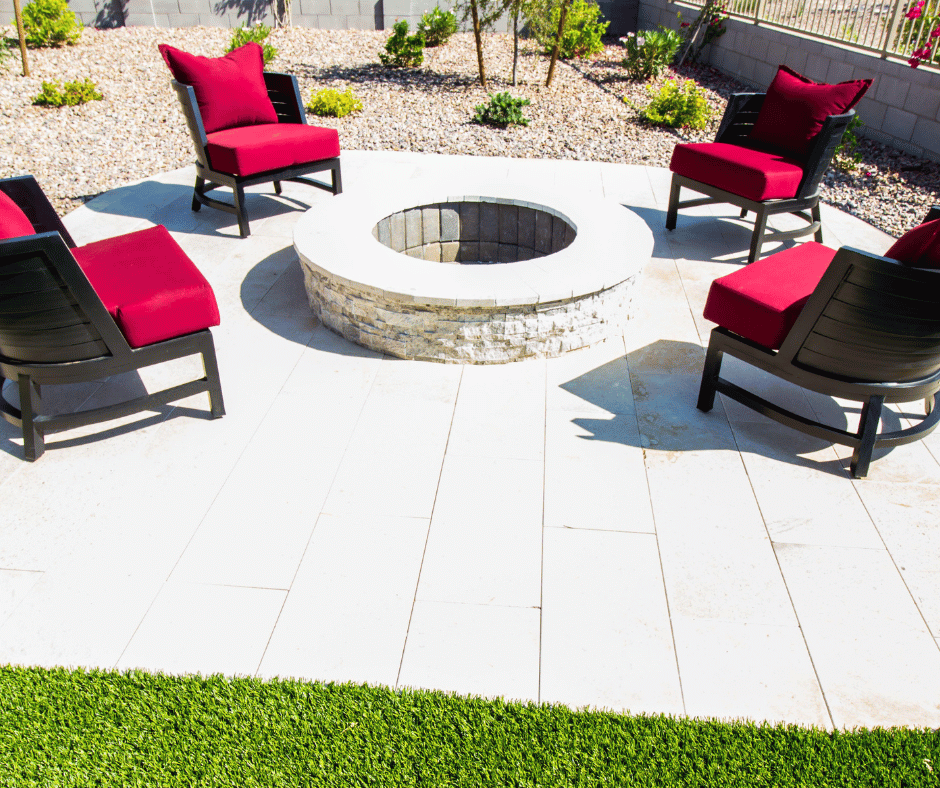
Your concrete patio served your family well for years, but your needs have changed. Maybe you're hosting larger gatherings, adding outdoor furniture that doesn't fit, or you've finally built that outdoor kitchen you always wanted. The challenge is obvious—your patio is too small—but the solution isn't as simple as it first appears.
Many Minneapolis homeowners assume they need to demolish their existing patio and start completely over. That's rarely the case. After expanding and modifying concrete patios across the Twin Cities since 2004, we've developed strategies that add space while preserving your existing investment. The key is understanding when expansion makes sense, how to achieve color matching with aged concrete, and which technical considerations ensure your addition performs as well as the original.
This comprehensive guide explores everything Minneapolis homeowners need to know about concrete patio expansion, from evaluating your existing patio's condition to designing seamless additions that look like they were always part of your outdoor space.
Before investing in patio expansion, you need to honestly assess whether your current patio is worth building onto.
The best candidates for expansion share these characteristics:
Structurally Sound: The existing patio has no significant cracks wider than 1/8 inch, no settling or heaving issues, and the surface remains relatively level. Minor hairline cracks aren't dealbreakers, but major structural problems suggest replacement makes more sense.
Proper Drainage: Water drains away from your foundation and doesn't pool on the patio surface. If your existing patio has drainage problems, expansion might compound them.
Good Base Preparation: Patios built on properly compacted bases don't settle unevenly over time. If your patio shows signs of base failure—edge settling, uneven surfaces, or movement during freeze-thaw cycles—expansion isn't advisable.
Acceptable Appearance: The existing concrete doesn't have extensive spalling (surface flaking), severe discoloration, or deterioration that makes it unsuitable to remain visible in your expanded design.
Functional Layout: The existing patio's location and shape work well; you simply need more square footage. If the fundamental layout is wrong, expansion just creates more poorly-positioned space.
Some situations clearly call for starting over rather than expanding:
Severe Structural Damage: Major cracking, significant settling (more than 2 inches), or heaving that creates uneven surfaces indicate base failure. Adding onto a failing patio doesn't solve underlying problems.
Chronic Drainage Issues: If your existing patio slopes toward your foundation or creates persistent water problems, expansion without fixing fundamental drainage issues wastes money.
Age and Deterioration: Patios showing extensive freeze-thaw damage, surface deterioration, or that are more than 25-30 years old often have enough accumulated issues that starting fresh makes more economic sense.
Complete Design Change: If you want to change from basic brushed concrete to stamped patterns, or fundamentally reimagine your outdoor space's layout, starting over provides more design flexibility.
Small Existing Patios: If your current patio is only 100-150 square feet and you want to expand to 400+ square feet, the expansion dwarfs the original. Often you'll achieve better results and comparable costs with complete replacement.
Our evaluation process at Preferred 1 Concrete includes thorough inspection of your existing patio's condition, analysis of any drainage or structural issues, and honest recommendations about whether expansion or replacement delivers better long-term value for your specific situation.
Expansion isn't always cheaper than replacement. Here's how costs typically compare:
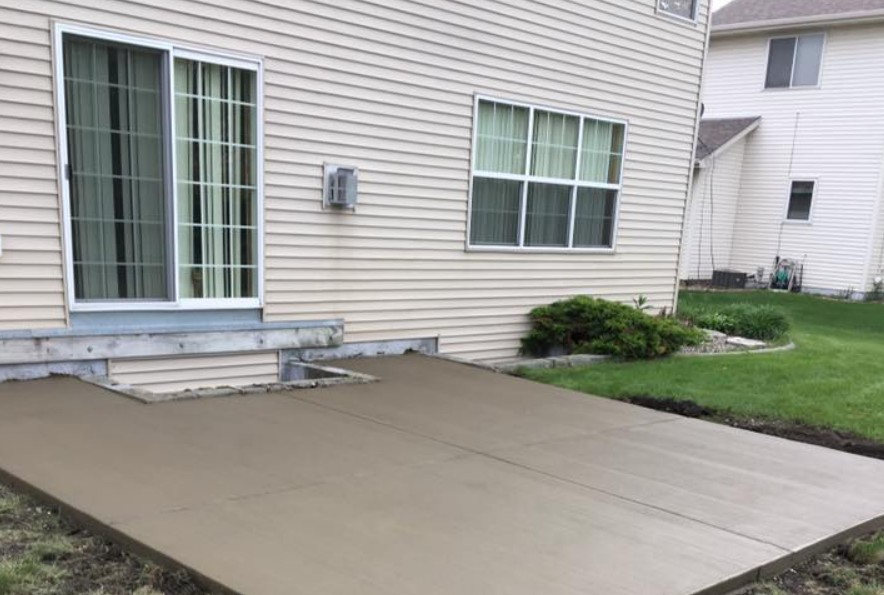
Expansion Costs: Adding 200 square feet to an existing patio typically costs $3,200-$7,000 depending on finish type and complexity. However, you'll also face challenges matching colors ($200-$800 extra), dealing with the cold joint where new meets old, and potentially addressing drainage integration.
Full Replacement Costs: Demolishing and replacing a combined 400 square foot patio might cost $6,000-$12,000, but you get uniform appearance, fresh structural foundation, integrated drainage design, and modern finishing options.
The financial advantage of expansion narrows when your existing patio has issues requiring remediation, when color matching proves difficult, or when the expansion's size approaches the original patio's size.
The single biggest concern Minneapolis homeowners express about patio expansion is whether the new section will match the existing concrete's color.
Concrete color changes over time due to multiple factors, making exact matching extremely difficult:
UV Exposure and Weathering: Years of Minnesota sun exposure gradually lightens concrete color. The UV radiation breaks down some color compounds, and weathering removes the cement paste from the surface, exposing more aggregate. Your 10-year-old patio is significantly lighter than when originally poured.
Differential Aging: Your existing patio's sections exposed to full sun have aged differently than shaded areas under roof overhangs or trees. Even within your current patio, you probably see color variations.
Chemical Variations: Concrete chemistry varies slightly batch-to-batch even when using identical mix designs. Slight variations in cement content, water ratios, admixtures, and aggregate color all affect final appearance.
Application Differences: Variables during installation—trowel pressure, finishing timing, curing conditions, ambient temperature—create subtle color differences even between sections poured the same day.
Seasonal Effects: Minnesota's freeze-thaw cycles, de-icing salt exposure, and moisture cycling all contribute to surface changes that develop differently over years.
Rather than expecting perfect matches, aim for color compatibility—variations that don't clash but clearly show the patio was built in phases:
Close Match: New concrete appears within 1-2 shades of existing color. Most people see the difference upon close inspection but don't find it objectionable. This is the best realistic outcome.
Obvious But Acceptable: New section clearly differs from old but both remain attractive. The transition looks intentional rather than like a mistake. Many successful expansions fall here.
Significant Mismatch: New concrete drastically contrasts with existing—think bright white next to weathered gray. This usually results from poor color selection or extreme age difference.
Professional contractors use several approaches to minimize color disparity:
Integral Color Addition: Adding color hardeners or integral pigments to new concrete moves its base color closer to your aged existing patio. This requires careful color selection based on your existing patio's current appearance, not its original color.
Acid Staining After Curing: Chemical stains react with concrete to create earth-tone colors that can bridge the gap between old and new sections. Staining both old and new can create unified appearance.
Strategic Borders and Design Elements: Installing contrasting border strips, bands of different finish types, or decorative scoring between old and new sections makes the color variation look intentional rather than accidental.
Accepting Natural Variation: Some homeowners embrace the visual history, treating the expansion as a chapter added to their home's story. Clear delineation between phases can look quite attractive.
Overlays or Resurfacing: If color matching proves impossible and the difference bothers you, concrete overlays or stamped overlays can resurface everything in coordinated colors. This adds $3-8 per square foot but creates uniform appearance.
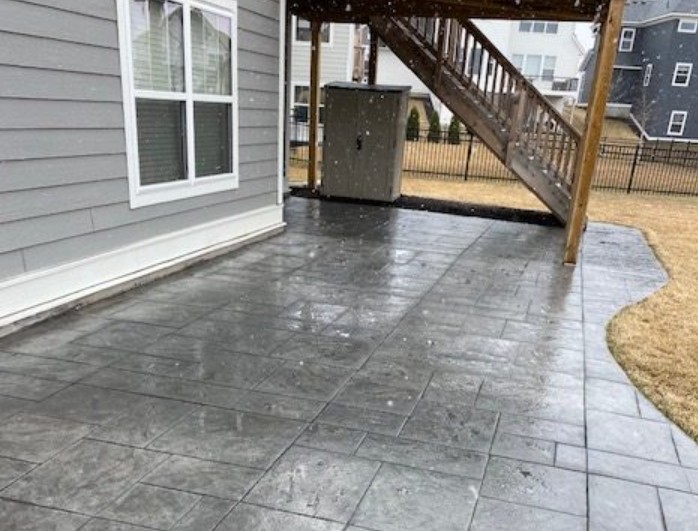
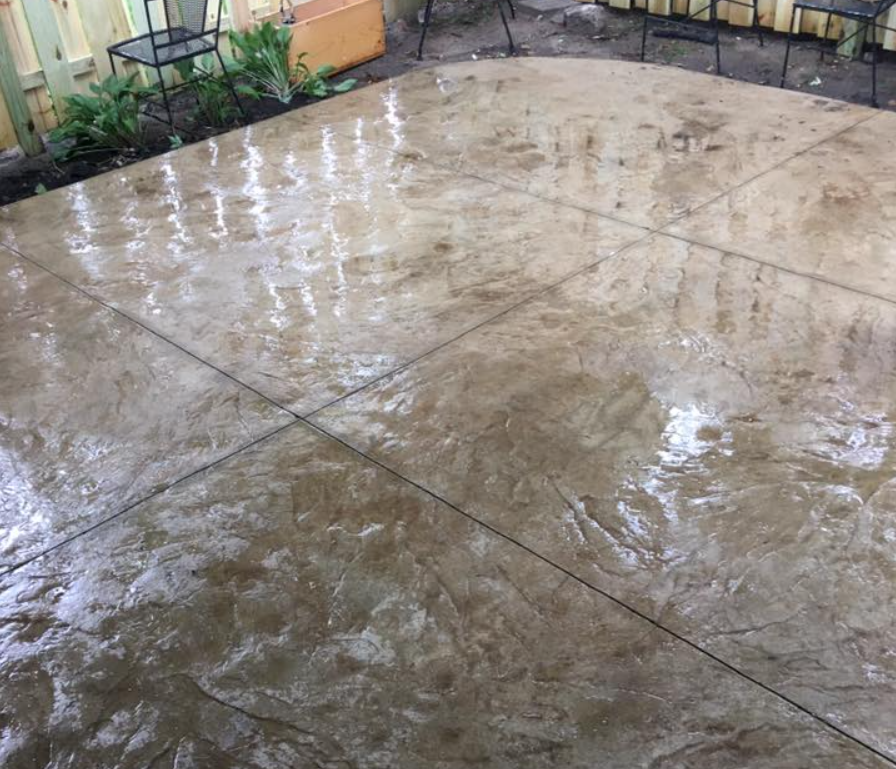
Expanding existing stamped concrete patios presents unique challenges beyond color:
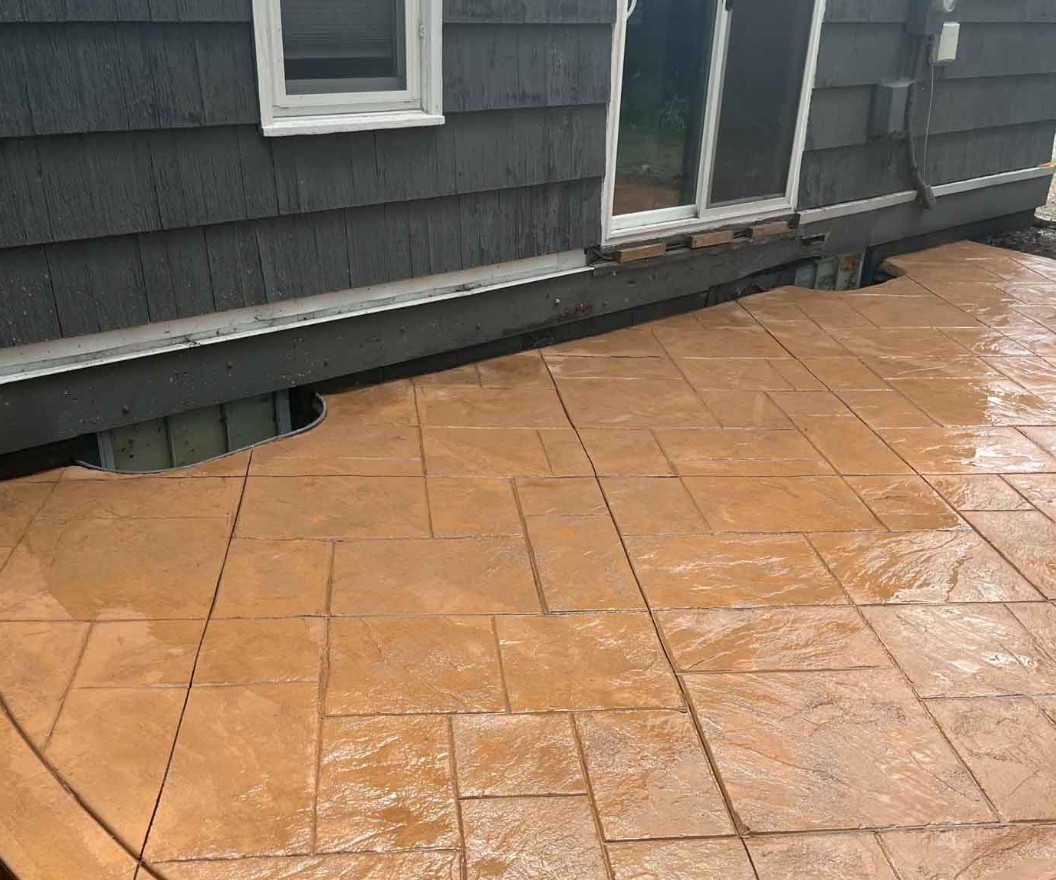
Pattern Matching: Continuing existing patterns requires the original stamp mats or very close replicas. Many patterns from 10+ years ago are discontinued or changed slightly, making seamless pattern extension impossible.
Texture Consistency: Even with matching stamps, variations in application pressure, release agent usage, and timing create textural differences between old and new sections.
Color Complexity: Stamped patios often use multiple color layers—base color, highlight colors, and antiquing. Matching this complexity in expansion areas is extremely difficult.
Realistic Approach: Most successful stamped expansions either create distinct zones with intentionally different patterns/colors, use transitional borders to separate old from new, or resurface everything to create uniform appearance.
Beyond aesthetics, several technical factors determine whether your expansion succeeds long-term.
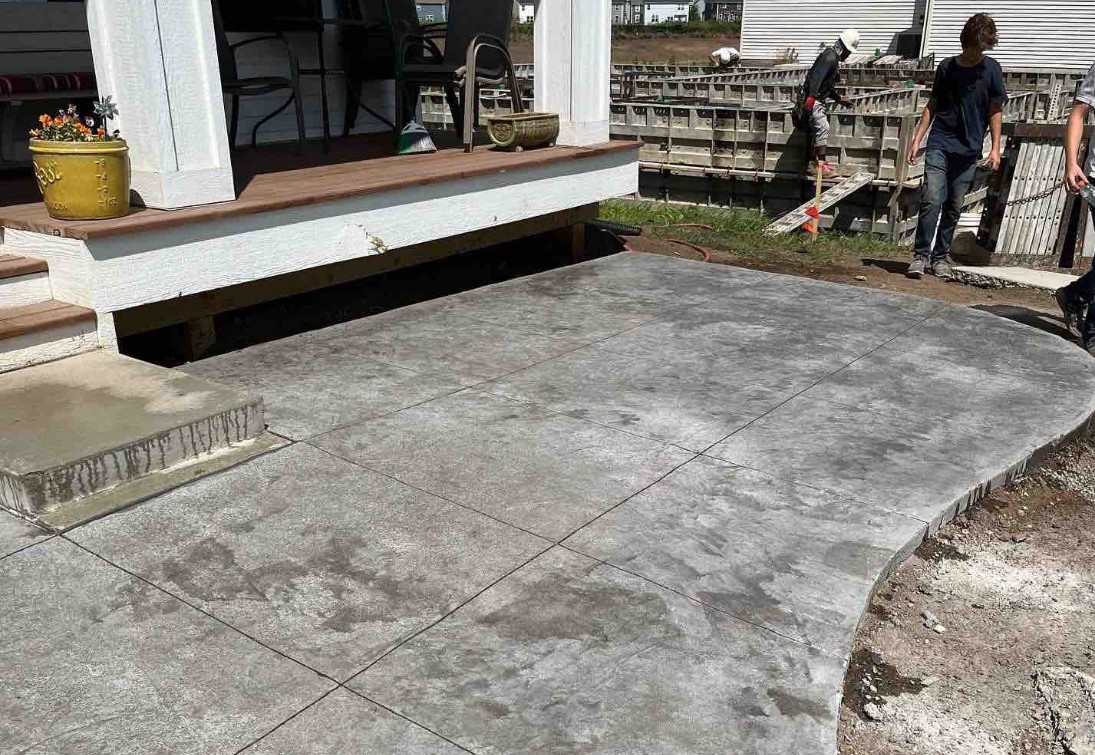
The seam where new concrete meets existing creates a cold joint—concrete poured at different times that doesn't bond chemically:
Why Cold Joints Matter: Unlike concrete poured as one continuous pour (where everything bonds together chemically), cold joints are mechanical connections only. They're naturally weaker and more prone to cracking along the seam.
Minimizing Cold Joint Problems: Professional installations use several techniques to reduce cold joint issues:
Realistic Expectations: Even with proper technique, the cold joint remains the most likely location for future cracks. This is normal and doesn't indicate poor workmanship. The crack can be sealed with concrete caulk but will likely remain visible.
Expanding your patio changes water flow patterns across your property:
Maintaining Proper Slope: Your expansion must slope away from your house at the same 1/4 inch per foot standard as the original patio. This can be tricky when tying into existing elevation, especially if the original patio sits at odd heights.
Avoiding Water Traps: Poor planning creates low spots where old meets new, causing water to pond along the seam. This accelerates deterioration and freeze-thaw damage at the weakest point.
Managing Increased Volume: A larger patio surface area collects and sheds more water. Your property's existing drainage system must accommodate this increased volume, or you'll need to add drainage solutions.
French Drain Integration: Many expansions benefit from French drains along the new perimeter to handle increased runoff and prevent water from saturating soil beneath the addition.
Your new section's base preparation must match or exceed the original patio's foundation quality:
Unknown Original Specs: You likely don't know exactly how your existing patio's base was prepared. Was it 4 inches or 6 inches of Class 5? Was geotextile fabric used? What compaction standard was achieved?
Conservative Approach: Professional contractors assume quality original construction and match those presumed standards. This means 6+ inches of properly compacted Class 5 aggregate base, geotextile fabric over Minnesota clay soil, and systematic compaction in 6-inch lifts.
Transition Zone: The area where expansion base material meets the edge of existing patio requires particular attention. Inadequate compaction here creates settling risk along the most visible seam.
Frost Depth Considerations: Minnesota's 42-48 inch frost depth requirements mean proper base preparation extends well below the concrete surface. Corners cut here lead to heaving and cracking within a few freeze-thaw cycles.
Smart design choices make expansions more successful aesthetically and functionally.
The most successful expansions extend to logical endpoints:
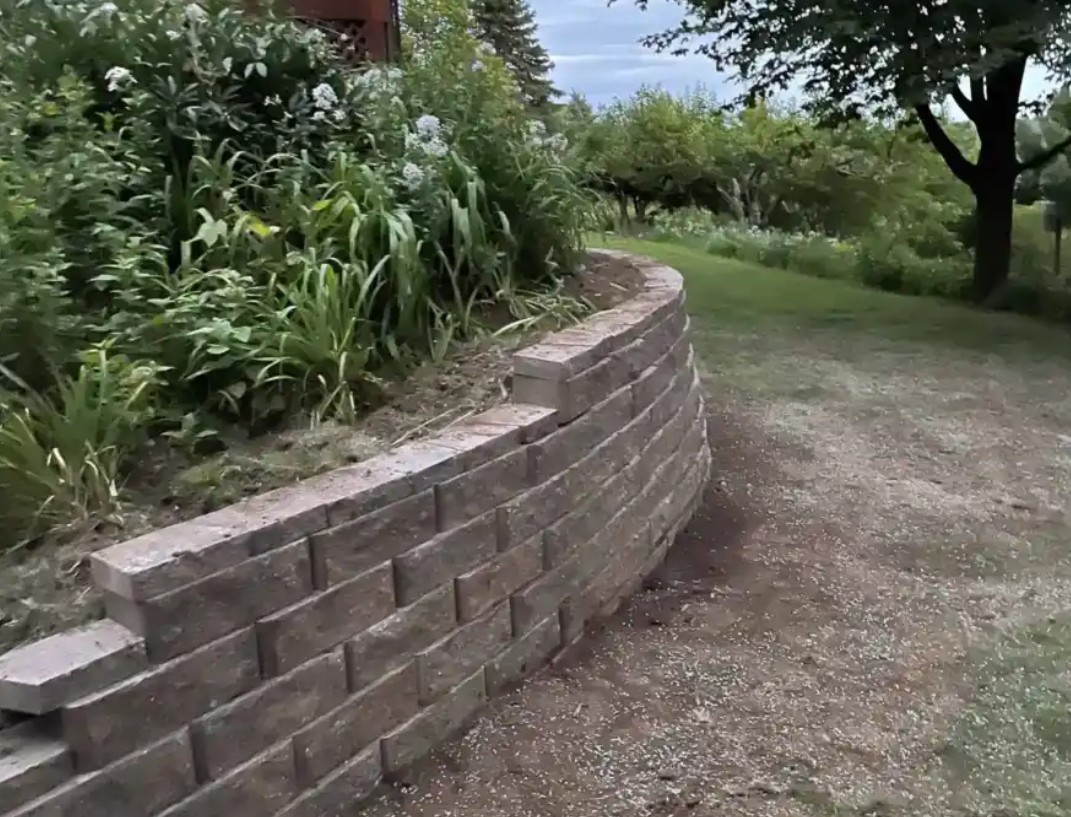
Building to Existing Hardscape: Extending your patio to meet an existing driveway, sidewalk, or retaining wall creates clean termination lines rather than awkward mid-yard endings.
Following Property Lines: Expanding to side yard property lines, rear lot lines, or other physical boundaries creates defined, intentional-looking edges.
Wrapping Around Corners: L-shaped or wraparound expansions that follow your home's architecture look more planned than simple rectangular additions.
Creating Zones: Rather than just "making things bigger," thoughtful expansions create defined activity zones—a dining area extension, a fire pit pad addition, or a grilling station expansion.
Creating elevation changes between existing and new sections offers several advantages:
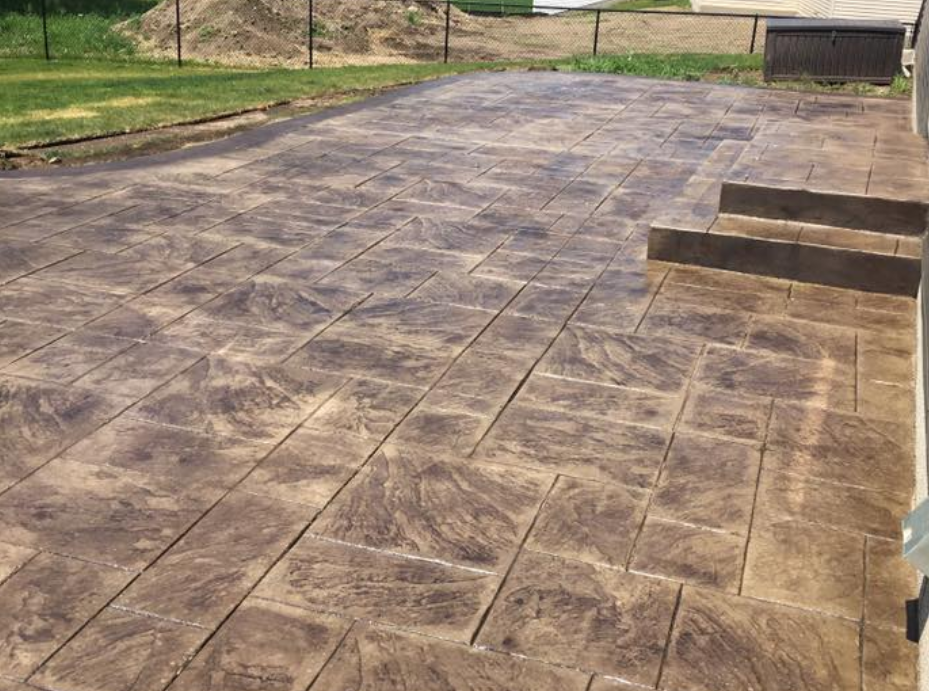
Visual Separation: A 6-8 inch step down or up from your existing patio to the expansion clearly delineates old from new, making color variations look intentional.
Drainage Management: Elevation changes naturally direct water flow, helping prevent pooling along the cold joint seam.
Activity Definition: Different levels psychologically separate spaces. Your existing patio might remain the dining area while the lower expansion becomes a fire pit gathering space.
Easier Transitions: When your existing patio sits at an awkward elevation, steps to a new level let you achieve proper drainage slope without dramatic grading.
Adding contrasting elements between old and new sections creates intentional-looking transitions:
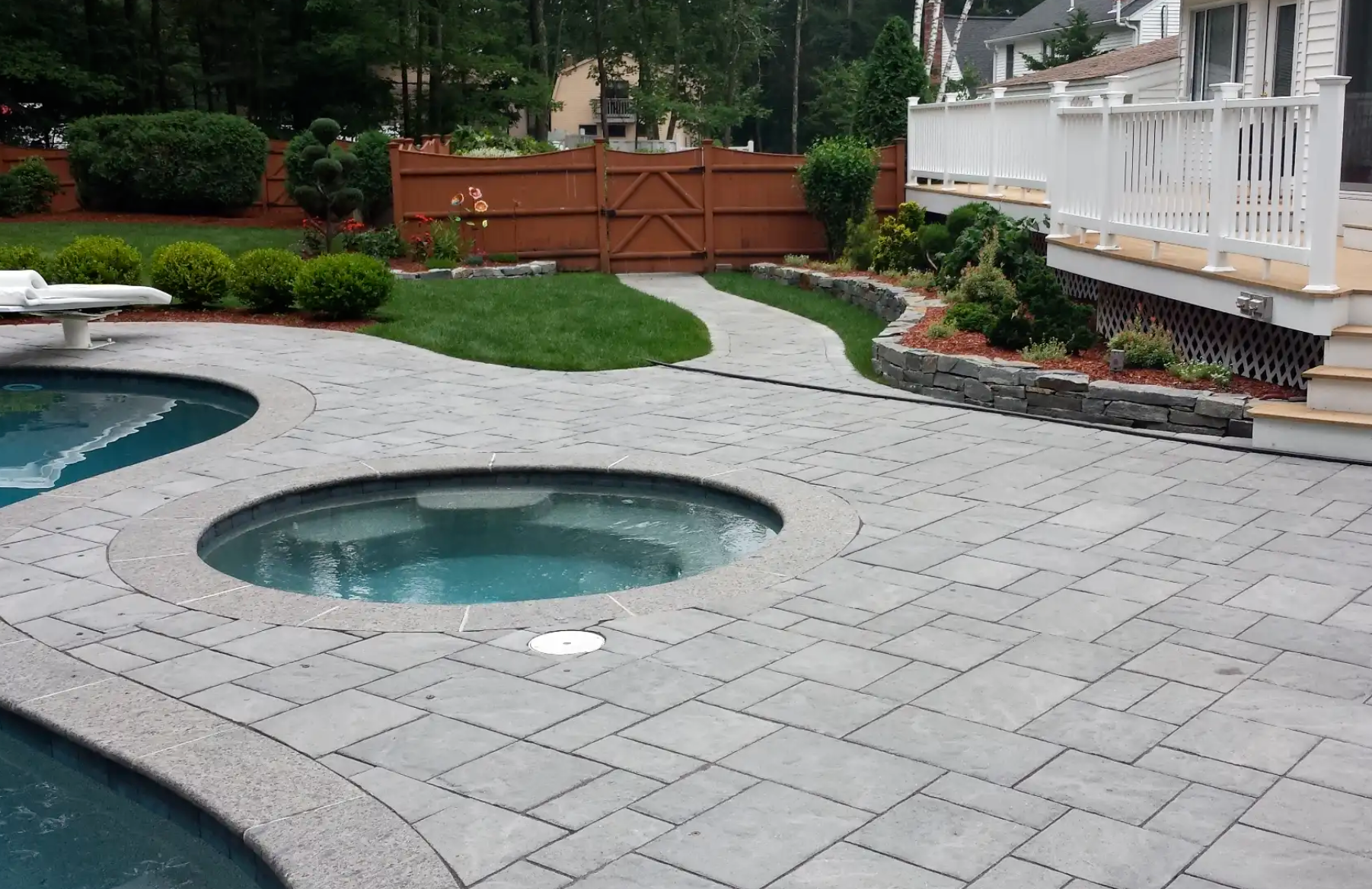
Stamped Borders: A 12-18 inch stamped border strip in contrasting color/pattern separates existing and new concrete, making color differences look deliberate.
Stained Bands: Acid staining a border band creates earth-tone transitions that tie sections together while acknowledging they're different.
Sawcut Patterns: Geometric sawcut patterns and staining within those cuts create decorative elements that distract from color variations.
Different Finish Types: Your existing patio might be broomed concrete while expansion uses exposed aggregate or a salt finish. The different textures make color variations less noticeable.
When color matching proves difficult, strategic resurfacing creates cohesion:
Overlay Just the Visible Old Section: If your existing patio is L-shaped and you're expanding one leg, resurfacing only the section adjacent to new concrete creates matched appearance where it matters most.
Border Resurfacing: Applying a 2-4 foot stamped overlay border around your existing patio's perimeter before adding new section creates a transitional frame that ties everything together.
Complete Resurface: For dramatic expansions where new section equals or exceeds original size, resurfacing everything creates uniform appearance. This costs $3-8 per square foot but delivers cohesive results.
Different situations call for different expansion approaches.
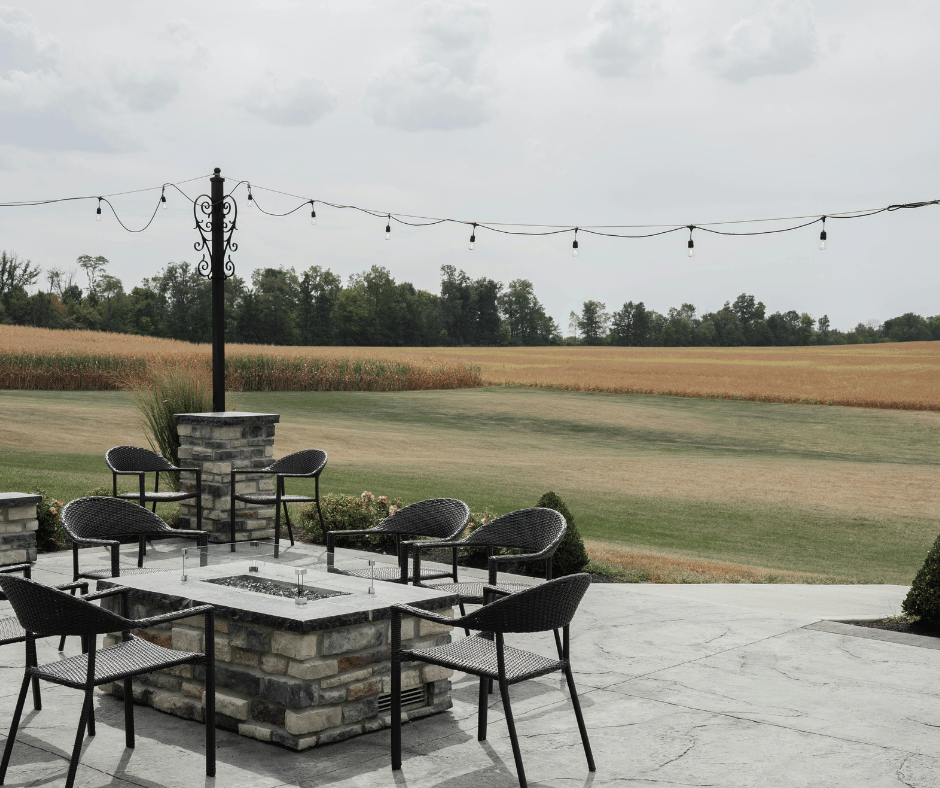
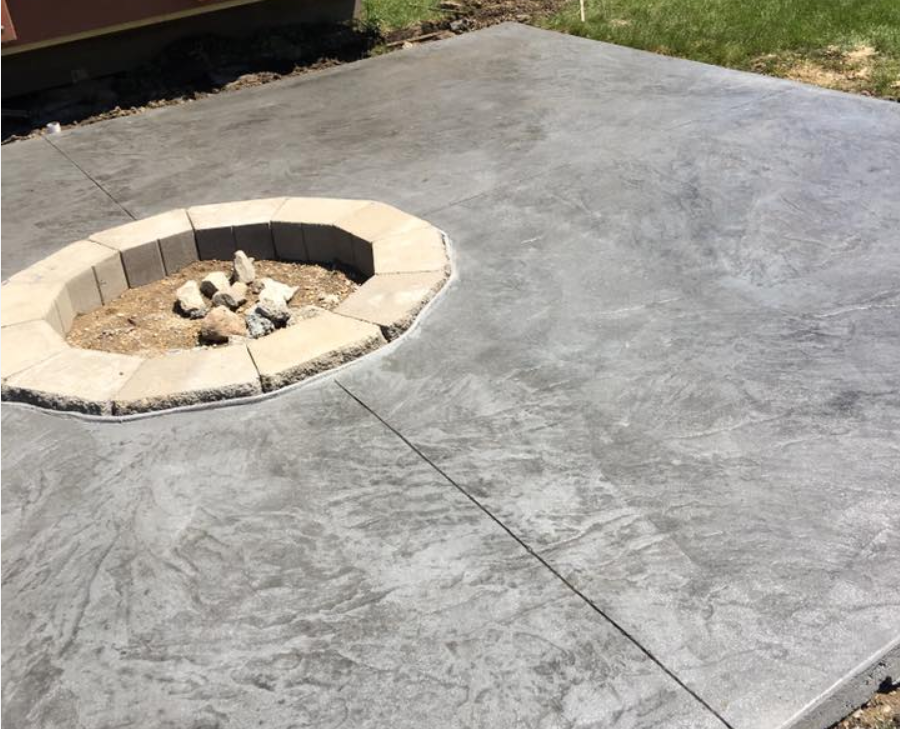
One of the most popular expansions creates a dedicated fire pit area:
Typical Approach: A 150-180 square foot pad positioned 10-15 feet from the main patio accommodates a fire pit with 4-6 chairs. This can be connected to the original patio with a 4-foot-wide walkway or left as a separate pad.
Design Advantages: Creating a detached pad eliminates color matching concerns since they're viewed as separate elements. The fire pit area can use different finishes or colors intentionally.
Cost Range: $2,400-$4,500 including the connecting walkway, depending on finish choices and site preparation requirements.
Considerations: Ensure proper distance from structures, verify local ordinances regarding fire pits, and plan for seating arrangement around the pit.
Expanding to accommodate an outdoor kitchen or built-in grill:
Typical Approach: A 100-150 square foot extension adjacent to your house extends the existing patio to create dedicated cooking space. This often includes elevation for grill positioning and utility access for gas lines.
Design Advantages: This expansion type usually ties directly to existing patio, so color matching matters more. Strategic border banding or using the grill structure itself to separate old from new helps.
Cost Range: $1,600-$3,500 for the concrete expansion (grill, counters, and structure separate), with increased costs if gas lines, electrical, or water access are needed.
Considerations: Plan for adequate counter space (minimum 18 inches each side of grill), appropriate clearance from siding, and access to utilities.
Simply making the patio bigger to accommodate more guests:
Typical Approach: Extending one or more sides of existing patio by 6-10 feet increases usable square footage significantly. A 15x15 (225 sq ft) patio expanded to 20x20 (400 sq ft) adds 175 square feet of entertaining space.
Design Advantages: Larger expansions that significantly increase total patio area sometimes justify complete replacement due to economies of scale and unified appearance benefits.
Cost Range: $3,000-$7,000 for 150-200 square feet of expansion depending on finish type and complexity.
Considerations: Ensure proper furniture layout planning before finalizing size—make certain the expanded space actually accommodates your intended use.
Expanding to create wheelchair-accessible routes or eliminating steps:
Typical Approach: Ramped walkway connections, wider landing areas, or extensions that create step-free access from doors to yard areas.
Design Advantages: Functional requirements drive design, making color matching secondary to accessibility goals. Different finishes for safety (textured areas) are expected and appropriate.
Cost Range: $1,800-$4,500 depending on distance covered, slope requirements, and handrail integration.
Considerations: ADA guidelines recommend 1:12 slope ratios (1 inch rise per 12 inches of run), handrails for slopes exceeding certain thresholds, and level landing areas.
Understanding the timeline and process helps you prepare for your project.
Site Evaluation: We inspect your existing patio's condition, measure current dimensions, evaluate drainage patterns, and photograph your concrete's current color and texture.
Design Development: Based on your goals and space constraints, we develop expansion plans showing dimensions, connection points, drainage solutions, and finish options.
Color Matching Consultation: We discuss realistic expectations for color compatibility, show samples of aging concrete with various color additives, and explain options for borders or delineation.
Permitting: Most Minneapolis suburbs don't require permits for at-grade patio expansions under certain square footage (typically 200 sq ft), but we verify local requirements.
Marking and Protection: We mark the expansion area, identify utility locations (Gopher State One Call), and protect existing landscaping.
Excavation: Remove sod and soil to appropriate depth (typically 10-12 inches total to accommodate 6 inches of base plus 4-5 inches of concrete).
Edge Preparation: The existing patio's edge gets cleaned, roughened with grinder or scarifier, and prepared for bonding.
Base Installation: Place and compact Class 5 aggregate in 6-inch lifts, install geotextile fabric, and create proper drainage grade.
Forms Setup: Install edge forms that will create proper elevation and connection to existing patio.
Bonding Agent Application: Apply concrete bonding agent to existing patio edge immediately before new pour.
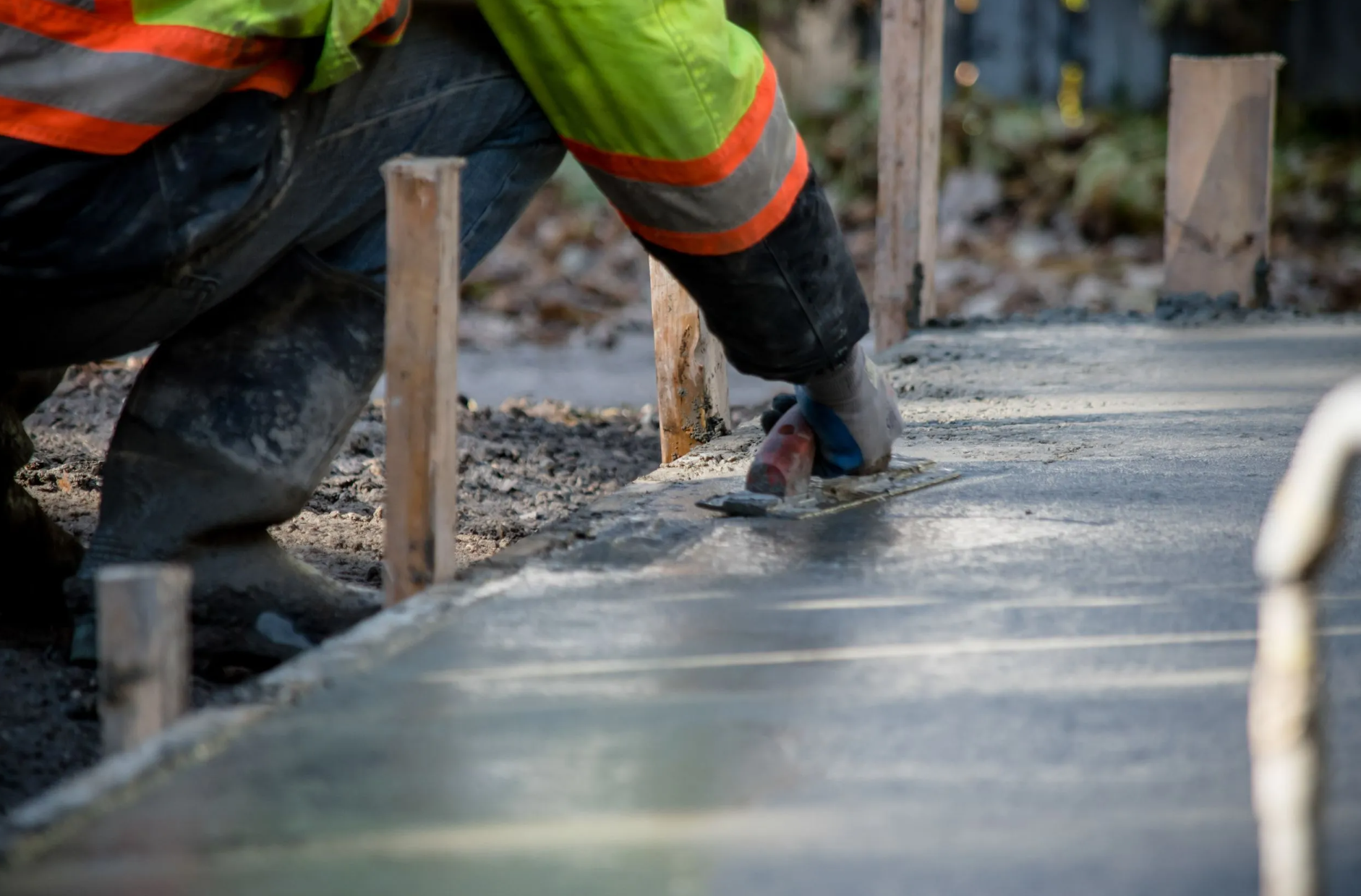
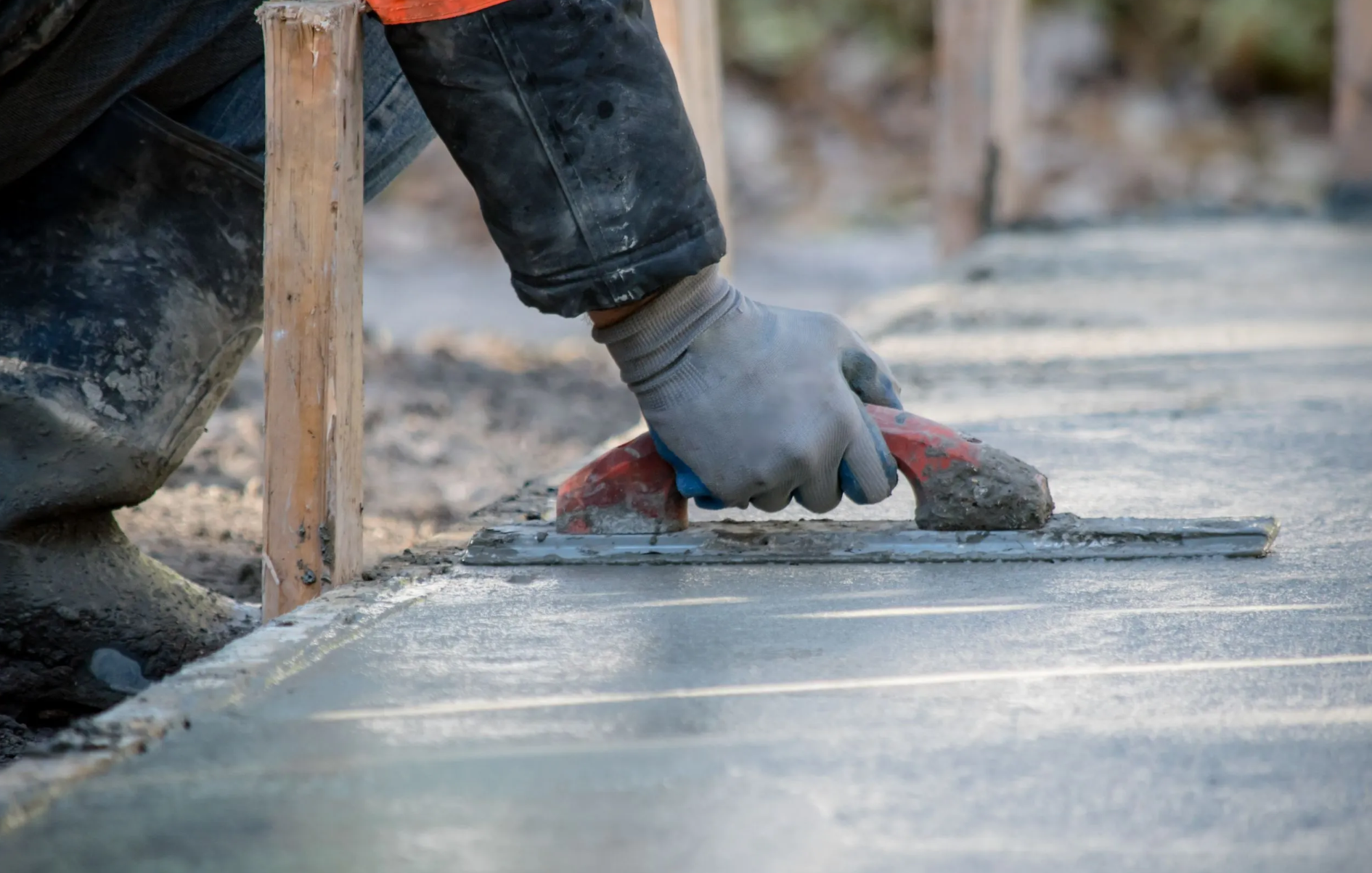
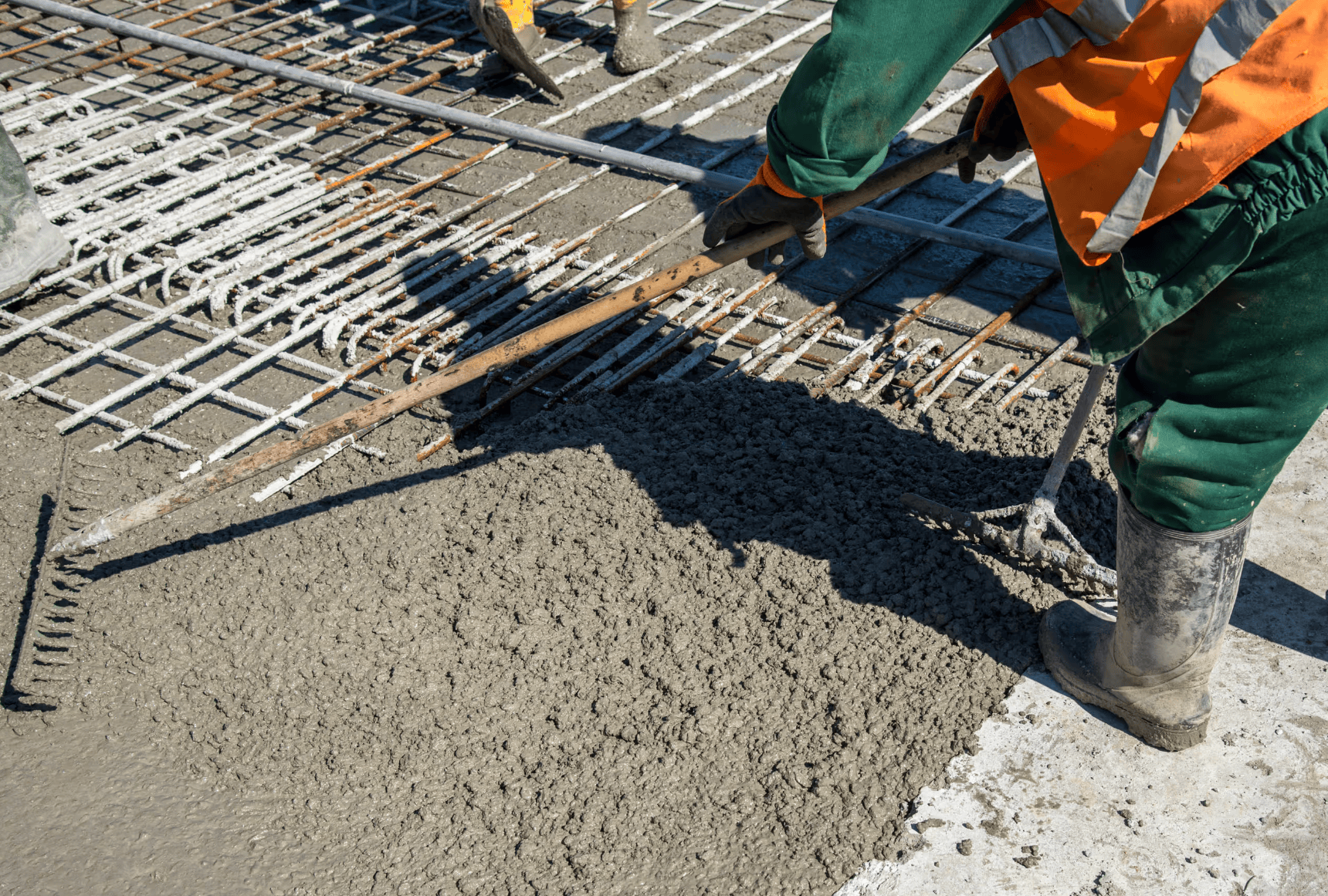
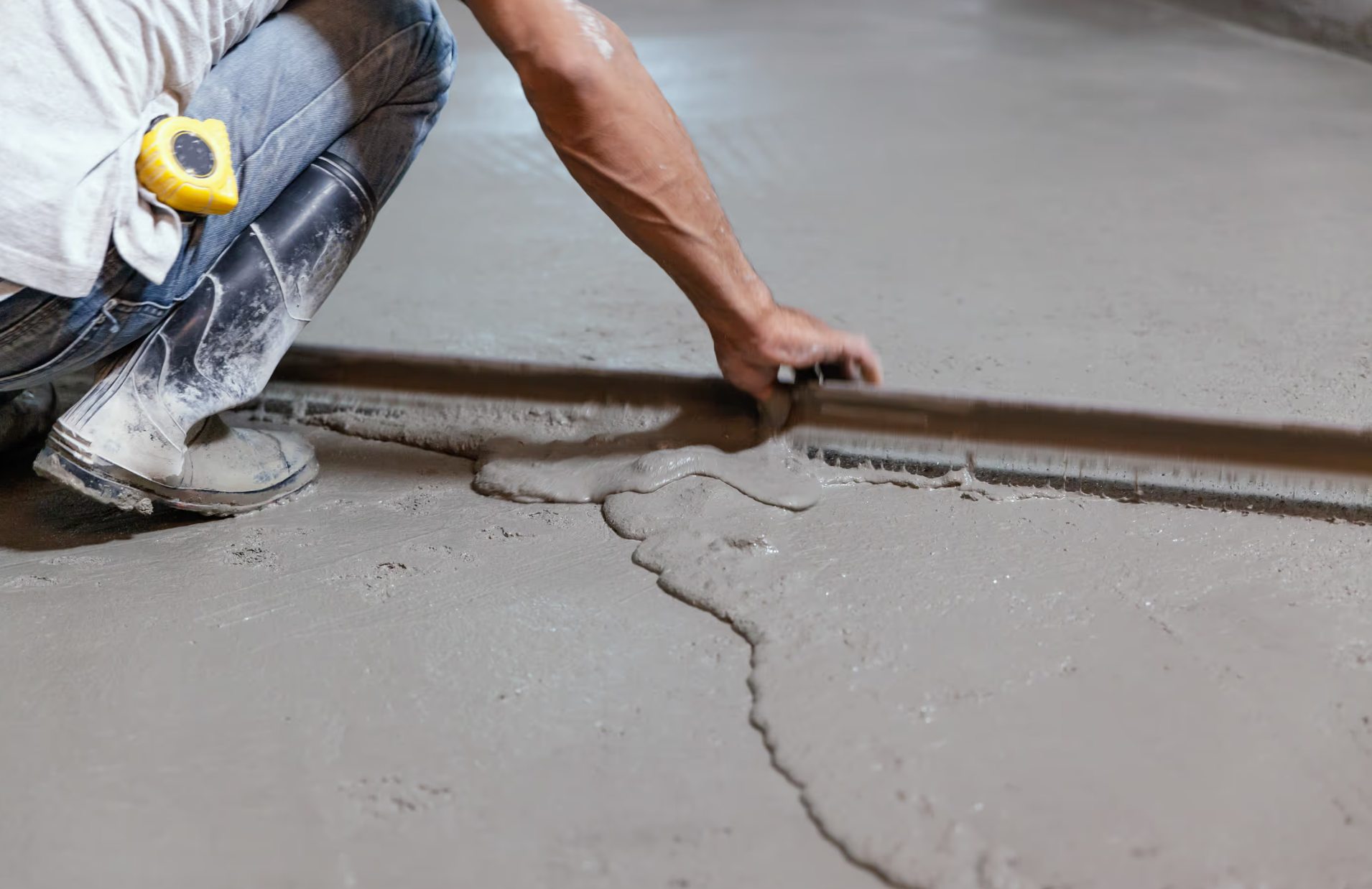
Concrete Placement: Pour new concrete, ensure excellent vibration and consolidation at the cold joint, and work concrete to proper grade.
Finishing: Apply selected finish (broom, exposed aggregate, stamped pattern, etc.) and create control joints that integrate with existing patio's joint pattern.
Color Application: If using integral colors or color hardeners, application happens during finishing. Acid stains are applied after curing.
Curing Process: New concrete requires 3-7 days of proper curing. We apply curing compounds, maintain moisture, and protect from temperature extremes.
Form Removal: Forms come off after 24-48 hours, revealing the new patio's edges and connection to existing section.
Sealing: Both old and new sections benefit from concrete sealer application after curing period. This protects against moisture penetration and freeze-thaw damage.
Final Grading: Surrounding areas are graded for proper drainage, sod is replaced or new landscaping installed, and the site is cleaned.
Transparent pricing helps you budget accurately for your expansion project.
Brushed Concrete Finish: $8-14 per square foot for basic broom-finished expansion. A 200 sq ft addition costs $1,600-$2,800.
Exposed Aggregate Finish: $10-16 per square foot for textured, decorative surface. 200 sq ft costs $2,000-$3,200.
Stamped Concrete: $14-22 per square foot for patterned surface. 200 sq ft costs $2,800-$4,400.
Acid-Stained Concrete: $12-18 per square foot for chemical-colored surface. 200 sq ft costs $2,400-$3,600.
Site Preparation Challenges: Difficult access, tree root removal, or extensive grading adds $300-$1,200.
Drainage System Integration: French drains, catch basins, or extensive drainage work adds $400-$1,500.
Color Matching Efforts: Special color additives, testing, and adjustment attempts add $200-$800.
Border/Banding Elements: Decorative borders separating old from new add $3-8 per linear foot.
Steps or Multi-Level Design: Adding elevation changes and steps adds $400-$1,200 per set of steps.
Concrete Removal: If partial demolition of existing patio edge is needed for better connection, disposal costs $150-$400.
Expansion stops being cost-effective when:
At these points, complete replacement delivers better long-term value.
Proper maintenance ensures your investment lasts decades.
Allow Complete Curing: Don't apply de-icing salts or harsh chemicals to new concrete for at least 12 months. Minnesota winters are harsh, but patience protects your investment.
Monitor the Cold Joint: Check the seam where old meets new after freeze-thaw cycles. Minor cracks can be sealed with concrete caulk to prevent water intrusion.
Resealing Schedule: New sections should be sealed after 6-12 months, and the existing section benefits from fresh sealer application at the same time.
Seasonal Cleaning: Power wash both sections annually to remove dirt, mildew, and organic staining. This helps both sections age more uniformly.
Crack Monitoring: Address cracks promptly before Minnesota freeze-thaw cycles worsen them. Small cracks under 1/8 inch can be sealed; larger cracks may need professional assessment.
Reseal Every 2-3 Years: Concrete sealer protects against moisture penetration, staining, and freeze-thaw damage. Regular resealing extends lifespan significantly.
De-icing Salt Alternatives: Use sand, calcium magnesium acetate, or other concrete-safe alternatives rather than rock salt that causes surface damage.
Use this framework to determine the best approach for your situation:
Choose Expansion If:
Choose Complete Replacement If:
Consider Hybrid Approach If:
Expanding your existing concrete patio makes excellent sense when your patio is structurally sound, you need additional functional space, and you're realistic about aesthetic expectations. The expansion approach preserves your original investment while adding capacity for your growing outdoor living needs.
The key to successful expansion is working with experienced contractors who understand the technical challenges—cold joint management, drainage integration, and realistic color matching strategies. After installing and expanding concrete patios across the Twin Cities for over 20 years, we've developed techniques that maximize expansion success while managing costs and setting realistic expectations.
Whether you need space for a fire pit, a larger entertainment area, an outdoor kitchen, or accessible pathways, thoughtful expansion design can transform your outdoor living space without the expense and disruption of complete replacement. The result is a functional, attractive patio that serves your family's needs for decades to come.
Ready to discuss expanding your concrete patio? Contact Preferred 1 Concrete for a consultation. We'll evaluate your existing patio's condition, discuss your expansion goals, explain realistic expectations for color matching, and provide detailed proposals that outline costs and timelines. Our 20+ years of experience with Minneapolis concrete work means we'll guide you to the solution that delivers the best long-term value for your property and your family.



.png)
.png)
.png)
.png)
.png)






.png)
.png)


