
Transform your Minneapolis concrete patio with strategic lighting. Expert guidance on LED options, safety considerations, and extending Minnesota outdoor living into evening hours.
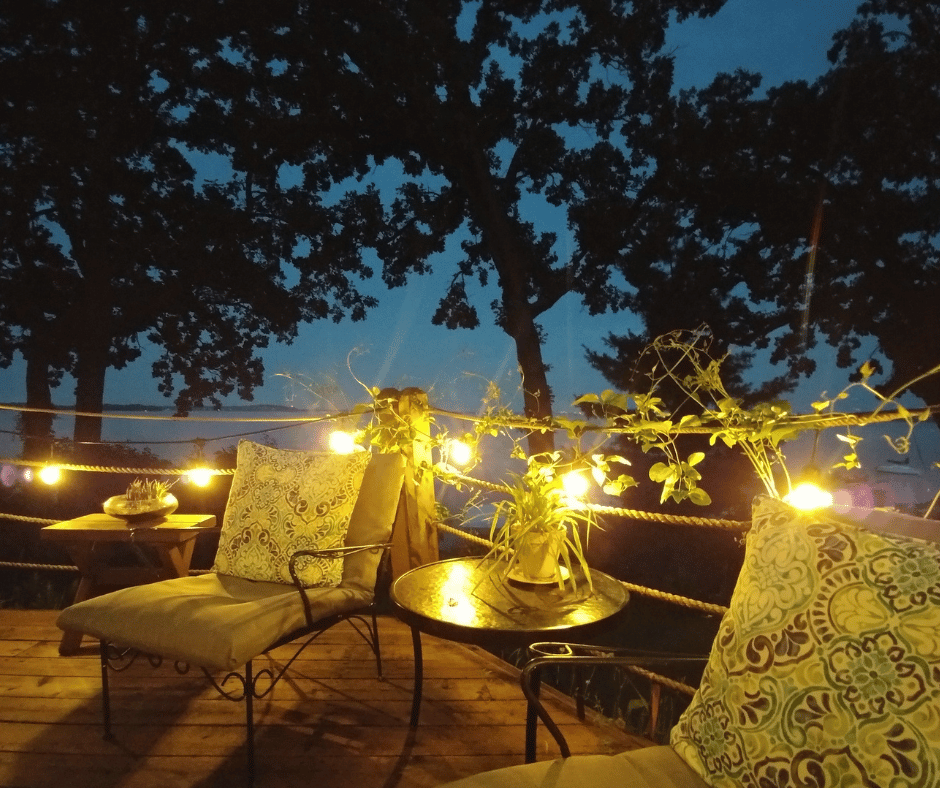
Your concrete patio looks beautiful during daylight hours, but after sunset it becomes invisible—wasted space that sits dark and unused while your family remains inside. In Minneapolis, where we treasure every warm evening from May through September, that's four months of potential outdoor living lost to darkness. The solution isn't complicated or prohibitively expensive: strategic patio lighting transforms your outdoor space from daylight-only to a functional evening destination that extends your home's living area.
After installing concrete patios across the Twin Cities since 2004, we've learned that lighting considerations should begin during patio planning, not as an afterthought years later. Whether you're designing a new patio or enhancing an existing one, understanding lighting integration options, safety requirements, and Minnesota-specific considerations helps you create outdoor space that serves your family from afternoon through late evening.
This comprehensive guide explores concrete patio lighting from every practical angle: planning lighting during initial patio construction versus retrofitting existing patios, LED technology options that maximize value, safety and code requirements, integration with Minnesota's seasonal patterns, and cost-effective approaches that deliver professional results.
Before discussing specific lighting techniques, understanding the benefits helps you prioritize your investment.
Minneapolis experiences approximately 130-150 comfortable outdoor days annually (temperatures above 60°F). But daylight hours don't align with when most people are home:
May-August Sunset Times: The sun sets between 8:00-9:00 PM during peak summer months. For homeowners who don't arrive home until 6:00 PM, that provides only 2-3 hours of daylight patio use on weekday evenings.
September-October: As fall arrives, sunset moves to 6:30-7:30 PM. Without lighting, your patio becomes unusable immediately after work, eliminating outdoor dining and evening relaxation during some of Minnesota's most beautiful weather.
Spring and Late Fall: The shoulder seasons offer pleasant evenings (55-65°F) perfect for fire pit gatherings or covered patio use—if you have lighting. Darkness by 6:00-7:00 PM makes these evenings unusable without illumination.
Proper patio lighting effectively doubles your outdoor season's usable hours, transforming your patio from a weekend-lunch destination to an every-evening retreat.
Unlit patios create genuine safety hazards:
Step and Level Changes: Tiered patios with multiple levels require illumination to prevent falls. A 6-8 inch step that's obvious in daylight becomes invisible in darkness.
Edge Transitions: Where concrete meets lawn, gravel, or other materials, the transition creates tripping hazards in low light.
Furniture and Obstacles: Tables, chairs, planters, and grills that guests easily navigate in daylight become collision hazards after dark.
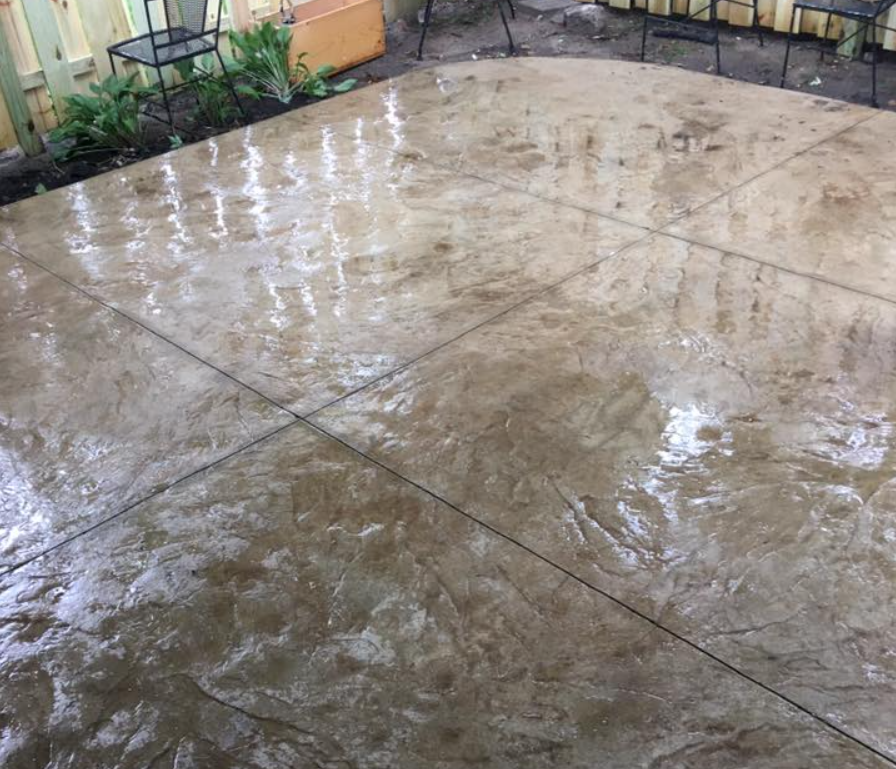
Wet Surface Visibility: Minnesota's frequent rain creates slick concrete surfaces. Proper lighting helps people see and avoid the slipperiest areas.
Beyond immediate safety, homeowner liability exists if guests are injured on your property. Adequate lighting demonstrates reasonable precautions against foreseeable hazards.
Real estate professionals report that professionally lit outdoor spaces add significant perceived value:
Nighttime Curb Appeal: Homes with illuminated outdoor living spaces create striking first impressions during evening showings. The spaces appear larger, more valuable, and better maintained.
Extended Living Space Calculation: Buyers mentally calculate usable square footage. A 400-square-foot patio used only during daylight offers less value than the same patio that functions evening through night.
Lifestyle Appeal: Modern buyers prioritize outdoor entertaining. Well-lit patios signal that the property supports the lifestyle they're seeking.
While lighting installation costs $1,500-$5,000 for typical residential patios, the perceived value addition often exceeds $5,000-$10,000, delivering strong return on investment.
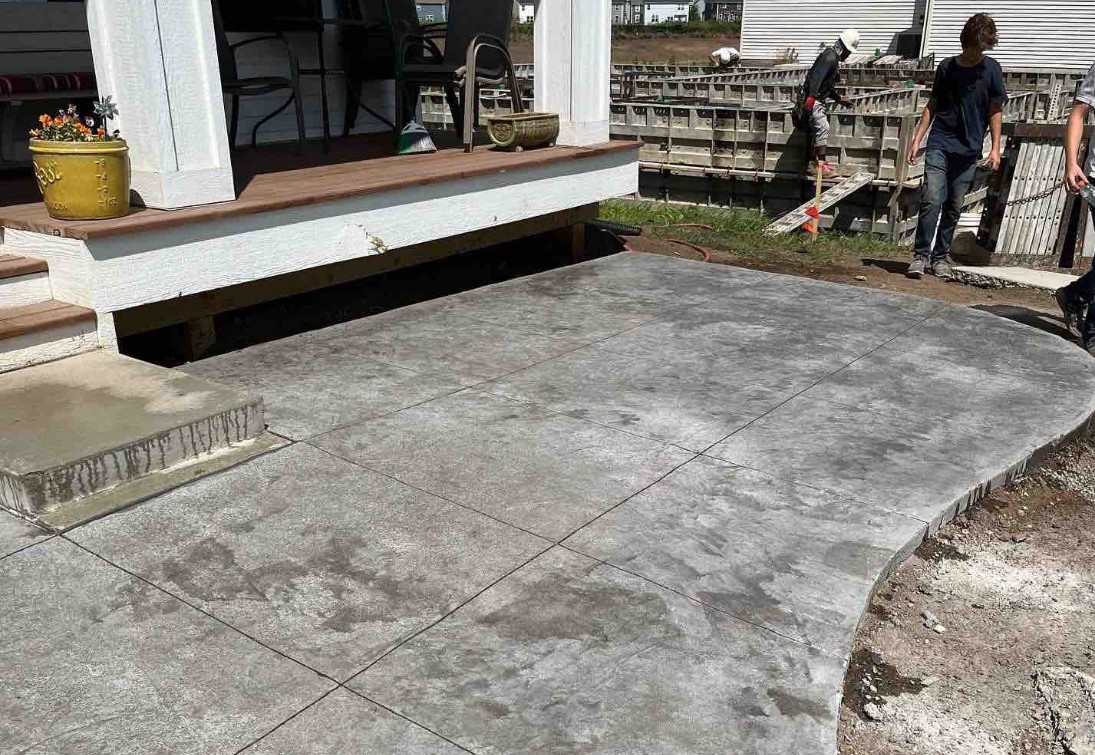
The optimal time to address patio lighting is during initial design and construction, not years later as a retrofit project.
Building lighting into new patio construction offers several advantages:
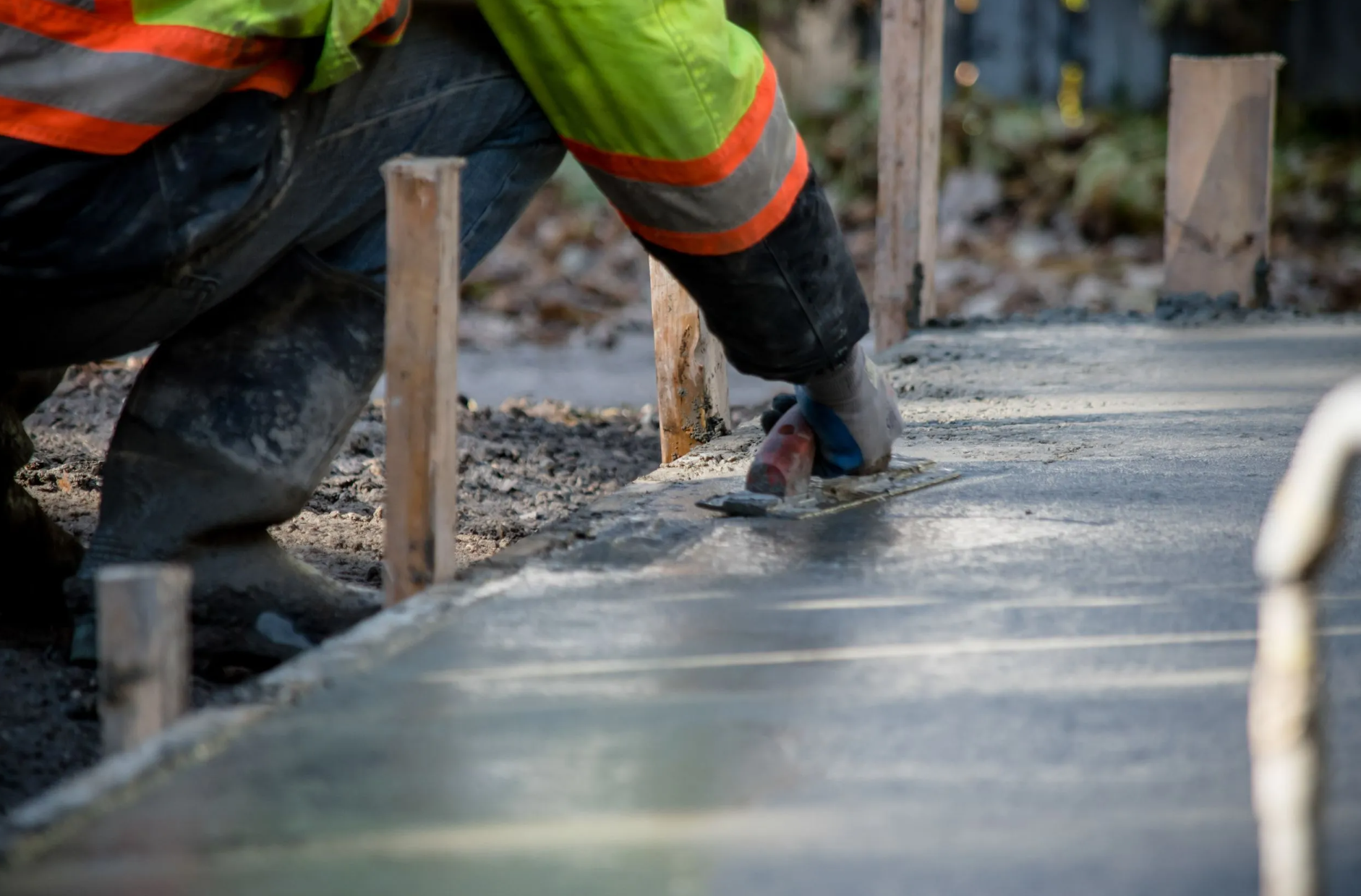
Conduit and Wiring Integration: Electrical conduit (protective pipes for wiring) can be embedded beneath the concrete during construction. This creates pathways for future wiring additions without breaking concrete, significantly reducing long-term costs and giving you flexibility.
Post and Column Foundations: If your design includes columns, pergola posts, or built-in seating walls, electrical boxes and conduit can be integrated into foundations before concrete is poured. This enables lighting within these structures without visible surface-mounted wiring.
Step Lighting Recesses: Built-in step lights require recessed fixtures installed during construction. Retrofitting these into existing steps is expensive and often impossible without demolition.
Drainage Coordination: Lighting system components—transformer boxes, junction boxes, and conduit routes—must be coordinated with patio drainage systems and proper grading. Planning both simultaneously prevents conflicts.
Cost Savings: Incorporating lighting infrastructure during construction typically costs 30-50% less than retrofitting equivalent systems years later. Even if you don't install fixtures immediately, having conduit and electrical boxes in place provides affordable future options.
Even if budget doesn't allow complete lighting installation initially, strategic electrical stubouts provide future capability:
Patio Perimeter Locations: Stub electrical boxes every 15-20 feet around the patio perimeter. This allows future installation of uplights for nearby trees, shrubs, or architectural features without breaking concrete.
Column and Post Locations: Any structural posts or columns should have electrical rough-in at their base, even if lighting isn't immediately installed.
Step Locations: Both top and bottom of any stair sections should have stubbed electrical for future step lighting.
Central Patio Area: A junction box in the center or near the dominant seating area provides power for overhead string lights, umbrella lighting, or future chandelier installation on pergola structures.
Transformer Location: A weatherproof electrical box near your house or garage, sized for a lighting transformer, allows future low-voltage system installation.
These stubouts typically add $400-$1,000 to initial patio construction costs but save $2,000-$4,000 compared to retrofitting through concrete later.
Minnesota electrical code (based on National Electrical Code with state amendments) governs outdoor lighting installations:
GFCI Protection Required: All outdoor electrical outlets and lighting circuits must have Ground Fault Circuit Interrupter protection to prevent shock hazards in wet conditions.
Buried Cable Depth: Direct-burial cables must be at least 18 inches deep (24 inches in areas subject to vehicle traffic). Low-voltage landscape lighting wiring typically requires 6-12 inches minimum.
Weatherproof Components: All outdoor electrical boxes, receptacles, switches, and transformers must be rated for wet locations (not just "damp" locations).
Permit Requirements: Most Minneapolis suburbs require electrical permits for new 120-volt outdoor circuits. Low-voltage landscape lighting (12V or 24V) often doesn't require permits, but verify with your local building department.
Professional electricians familiar with outdoor installations ensure compliance and safety. DIY electrical work outdoors is both dangerous and potentially illegal without proper permits and inspections.
Strategic lighting uses multiple techniques to create layered illumination that's both functional and attractive.
Ambient lighting provides general illumination that makes the patio functional and comfortable:
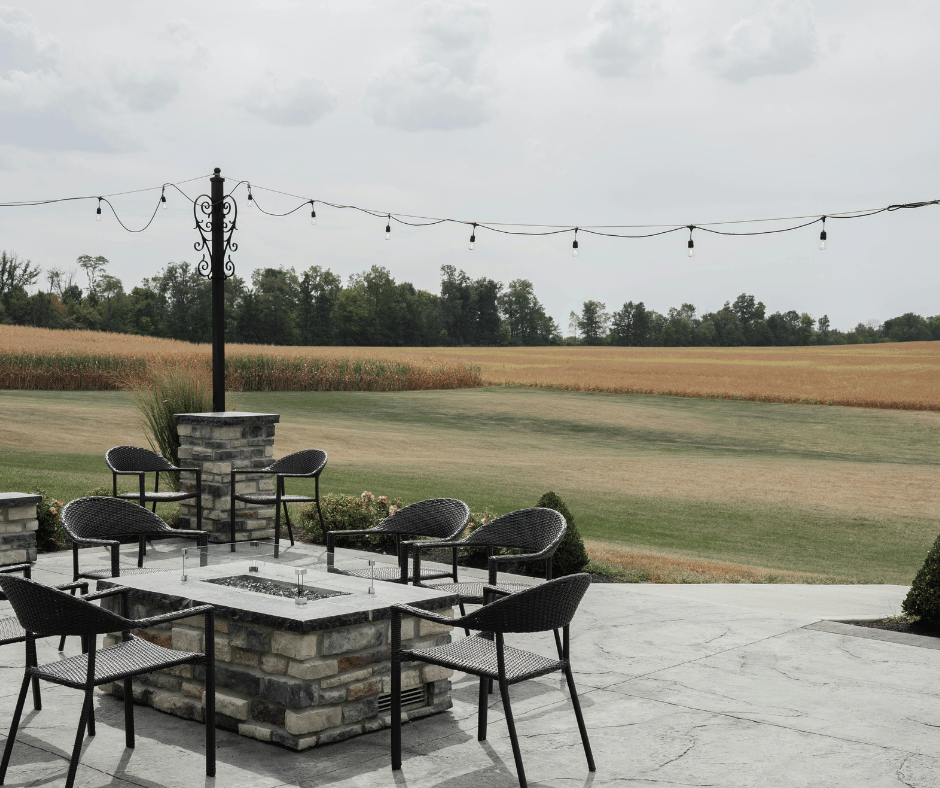
Overhead String Lights: Commercial-grade string lights suspended across the patio create warm, inviting ambient light. Modern LED string lights with Edison-style bulbs offer energy efficiency with nostalgic aesthetic appeal.
Overhead Fixture Mounting: Ceiling-mounted fixtures on covered patios or pergola structures provide consistent ambient light similar to indoor spaces.
Post-Mounted Area Lights: Freestanding posts with downward-facing fixtures create pools of light without overhead structures.
Task lighting focuses on specific activity areas requiring higher illumination:
Grilling and Food Prep Areas: Dedicated lighting for outdoor kitchens and grilling stations ensures safe food handling:
Dining Table Lighting: Focused illumination over dining areas without excessive brightness:
Seating and Conversation Areas: Moderate lighting that allows face-to-face interaction without harsh shadows:
Accent lighting highlights attractive features and creates visual interest:
Uplighting for Trees and Plantings: Ground-mounted fixtures that shine upward through tree canopies or highlight specimen plants create dramatic effects:
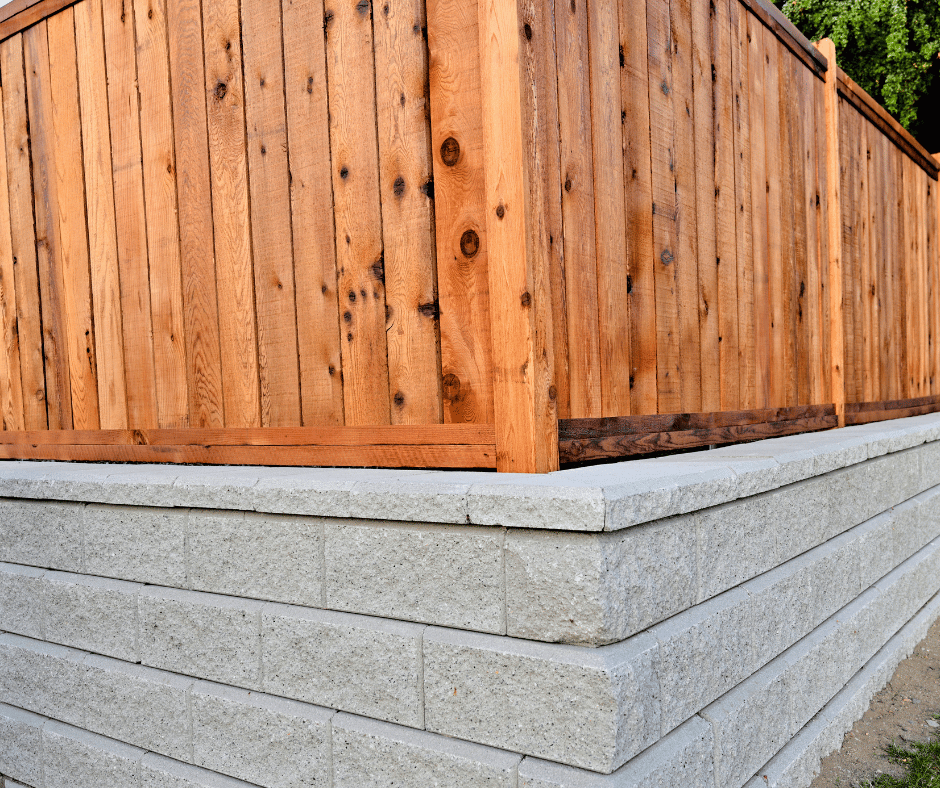
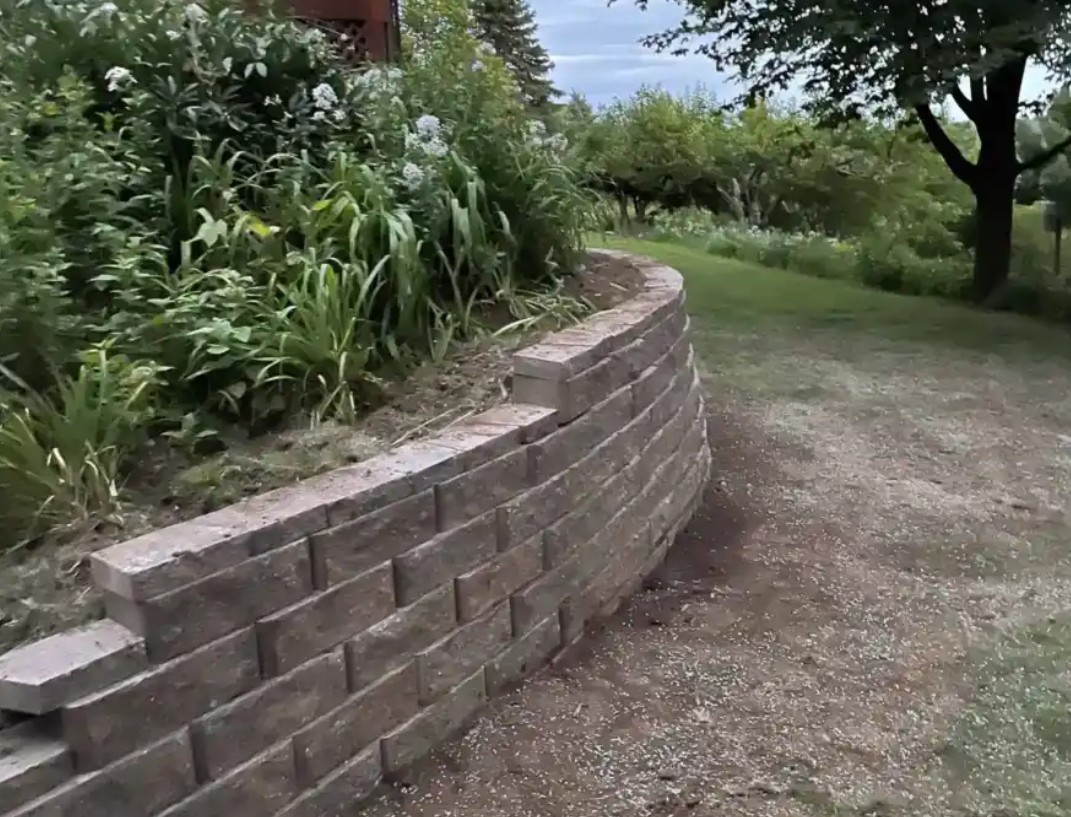
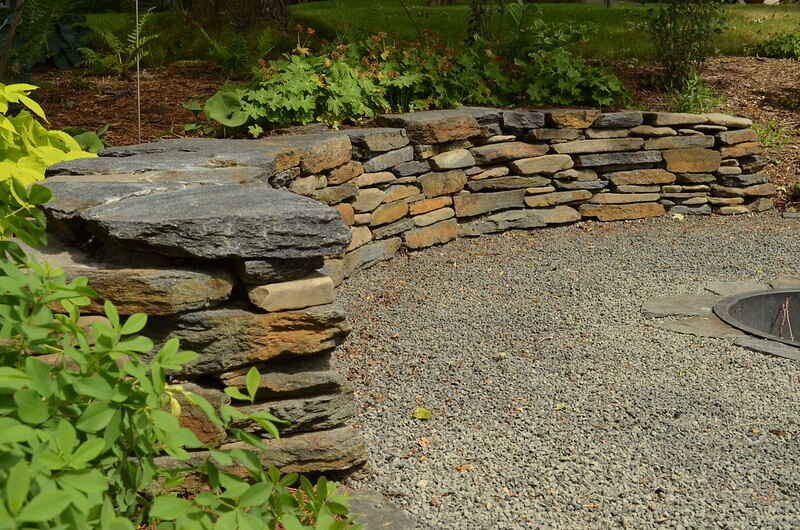
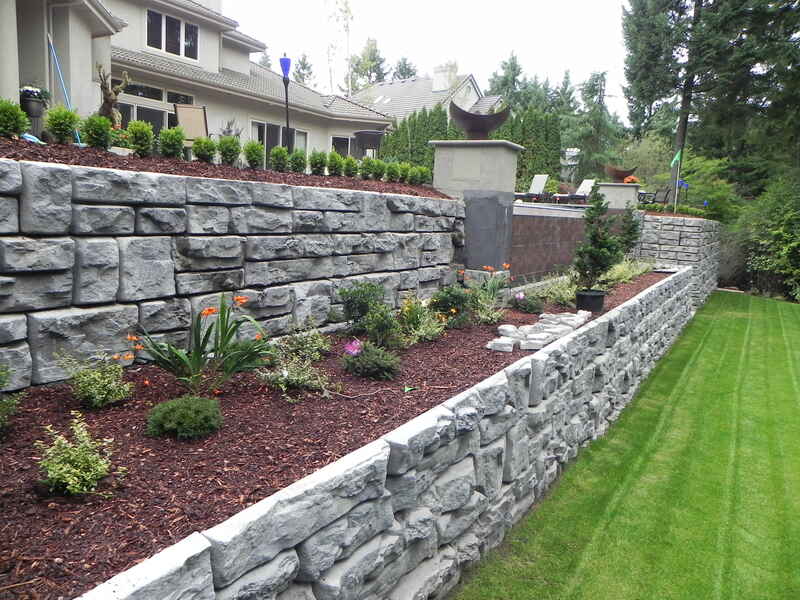
Retaining Wall Wash Lighting: Fixtures that graze light across textured wall faces emphasize dimensional stone or block patterns:
Water Feature Lighting: If your patio includes fountains, ponds, or water elements, submersible or positioned lighting creates focal points:
Safety lighting specifically addresses hazard areas:
Step Lighting: Integrated lights that illuminate step treads and risers:
Edge and Transition Lighting: Low-level lights marking where concrete meets other surfaces:
Handrail and Railing Lighting: For patios with railings, integrated lighting improves safety:
LED (Light Emitting Diode) technology has revolutionized outdoor lighting, making older halogen and incandescent systems obsolete for new installations.
The energy savings from LED systems are dramatic:
Power Consumption Comparison:
Annual Operating Cost Example:
Over a 15-year LED lifespan, this saves $870 in electricity costs alone, often covering the entire lighting system's initial cost.
LED durability eliminates the frequent bulb replacements that plagued older systems:
Lifespan Comparison:
Maintenance Implications:
This maintenance reduction saves both time and money. Professional bulb replacement services charge $50-$150 per service call, while DIY replacement requires purchasing bulbs ($8-$15 each) and spending hours on ladder work.
Modern LEDs produce excellent light quality with unprecedented control:
Color Temperature Options:
Color Rendering Index (CRI): Quality LED fixtures provide CRI 80-90+, accurately showing true colors of plants, food, skin tones, and materials. This matters for outdoor dining and entertaining where you want things to look natural and appealing.
Dimming Capability: Modern LED systems dim smoothly from 100% down to 10% or less, allowing you to adjust ambiance from bright task lighting to subtle mood lighting.
LEDs perform exceptionally well in Minnesota's temperature extremes:
Cold Weather Operation: Unlike compact fluorescents that struggle in cold temperatures, LEDs actually produce more light in cold conditions. They remain fully functional at -40°F and below.
Heat Tolerance: Summer heat doesn't affect quality LED fixtures. They operate reliably through Minnesota's 90-100°F days.
No Warm-Up Time: LEDs reach full brightness instantly, unlike other technologies requiring warm-up periods. This matters for motion-sensor security lighting and evening patio use.
Weather Sealing: Modern LED fixtures designed for outdoor use handle Minnesota's rain, snow, and humidity without issues. Look for fixtures rated IP65 or higher for weather protection.
Most Minneapolis homeowners have existing concrete patios without integrated lighting infrastructure. Retrofitting is entirely feasible with careful planning.
The most practical retrofit approach uses low-voltage (12V or 24V) landscape lighting:
System Components:
Installation Process:
Advantages for Retrofits:
Cost Range: Complete 12-fixture low-voltage system with quality LED fixtures, transformer, and installation typically costs $1,200-$3,000.
Solar lighting has improved significantly but remains limited for primary patio lighting:
Where Solar Works:
Solar Limitations:
Realistic Application: Solar works well for decorative accents and supplemental lighting but shouldn't be your primary patio lighting strategy. A mixed approach—wired system for main lighting, solar for accents—often works well.
Modern technology enables sophisticated lighting control without extensive wiring:
Smart LED Options:
Control Capabilities:
Practical Considerations:
Cost Range: Smart lighting systems typically cost 30-60% more than equivalent traditional systems, ranging $1,500-$4,500 for comprehensive patio coverage.
Covered patio areas and pergolas provide excellent opportunities for integrated lighting:
String Lights Suspended Between Beams: The most popular pergola lighting creates an outdoor ceiling of lights:
Recessed Downlights in Pergola Beams: Built-in fixtures create clean, architectural lighting:
Chandelier or Pendant Fixtures: Dramatic focal lighting in covered patio centers:
Beam-Mounted Spotlights: Adjustable fixtures that direct light to specific areas:
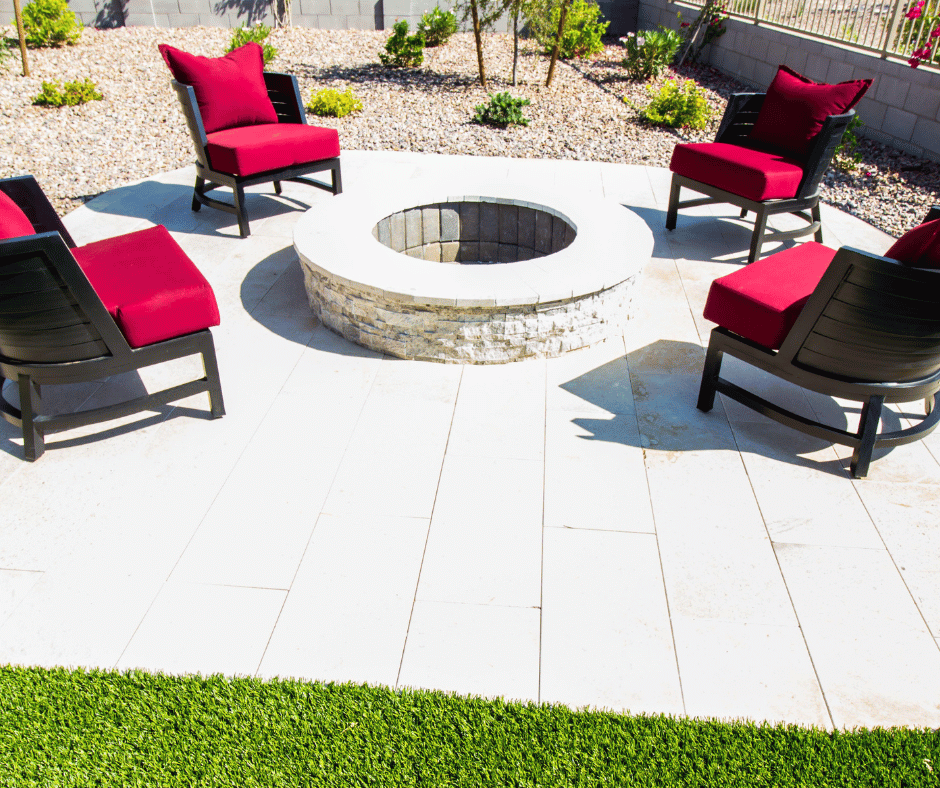
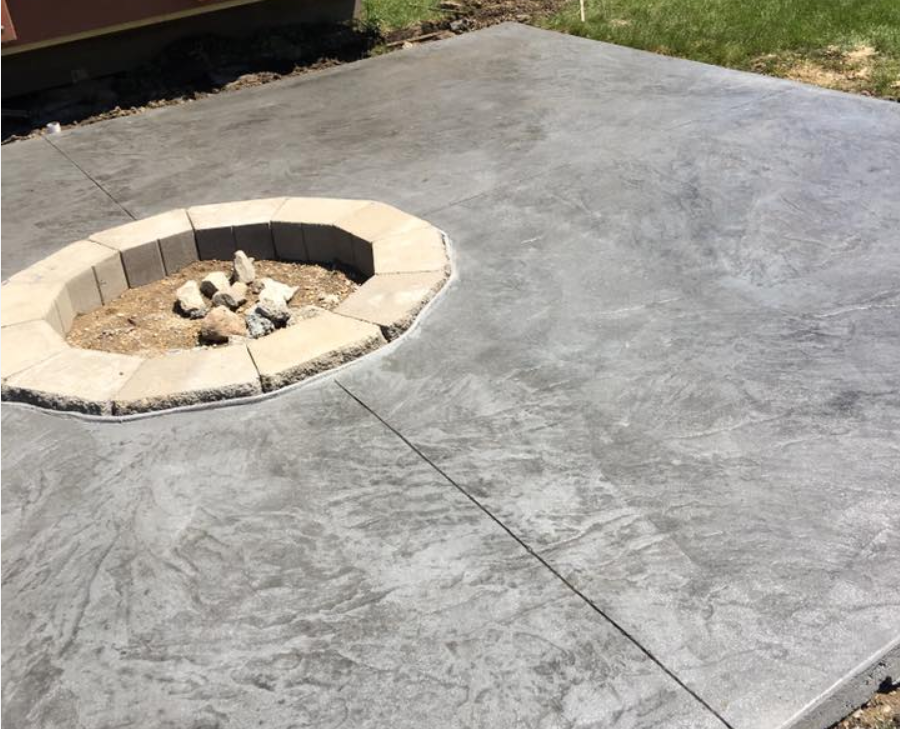
Fire pits and fireplaces create ambient light themselves but benefit from supplemental lighting:
Seating Area Illumination: Subtle lighting around fire pit seating that doesn't compete with fire:
Safety Lighting: Ensure safe access to and from fire features:
Modern lighting control systems provide convenience and efficiency:
Photocell Controls: Automatic on/off based on ambient light levels:
Astronomical Timers: Programming based on sunrise/sunset times:
Smart Home Integration: Control through home automation systems:
Creating separate control zones provides lighting flexibility:
Recommended Zones:
Benefits of Zoning:
Implementation: Separate circuits or smart switches for each zone, controlled individually or as groups.
Budget constraints don't require sacrificing lighting entirely—phased implementation provides immediate benefits while spreading costs:
Start with lighting that makes your patio safe and minimally functional:
This initial phase provides immediate usability while establishing electrical infrastructure for additions.
Add lighting that improves aesthetics and comfort:
Complete the system with finishing touches:
Total phased cost ($1,800-$3,700) is identical to complete installation but spreads investment over 2-3 years while providing immediate benefits.
Proper maintenance ensures your lighting investment continues performing:
Pre-Winter Tasks (October-November):
Winter Considerations:
Spring Reactivation (March-April):
Annual Tasks:
Every 2-3 Years:
After exploring options, costs, and considerations, use this framework to develop your approach:
Start With Function: Identify non-negotiable lighting (safety, basic task lighting) and budget that first.
Add Ambiance: Determine primary use pattern (dining, entertaining, relaxation) and light accordingly.
Consider Future: Even if budget is tight, install electrical infrastructure during patio construction for future additions.
Prioritize Quality: Better to install fewer high-quality LED fixtures than many cheap ones requiring replacement.
Plan for Control: Budget $100-$300 for basic timing/control that provides automation convenience.
Integrate with Overall Design: Lighting should complement your patio design, hardscaping, and landscape rather than feeling added-on.
The difference between a patio you use 20 times per summer and one you enjoy 80+ evenings per year often comes down to lighting. Minneapolis's seasonal limitations make every warm evening precious—lighting ensures you maximize that limited window.
Whether you're planning a new concrete patio installation or enhancing an existing space, lighting considerations dramatically affect your outdoor living experience. The investment typically pays for itself within 2-3 years through increased home use and entertainment value, while adding property value that often exceeds installation costs.
Smart planning during initial construction saves significant future expenses while providing flexibility. For existing patios, modern low-voltage and smart lighting systems make professional-quality installations achievable at reasonable costs. The result is outdoor space that serves your family from afternoon through late evening, effectively doubling your patio's functional value.
Ready to discuss lighting options for your concrete patio project? Contact Preferred 1 Concrete for a consultation. While our primary expertise is concrete installation, we coordinate with lighting professionals and can plan electrical infrastructure during patio construction to enable future lighting additions. Our 20+ years of Twin Cities experience means we understand how to integrate all elements—concrete, drainage, structures, and utilities—into cohesive outdoor living spaces that serve your family year-round.


.png)
.png)
.png)
.png)
.png)










.png)
.png)


