
Should you build tiered or single-level concrete patios for your sloped Twin Cities yard? Compare costs, drainage, and design options for Minnesota properties.
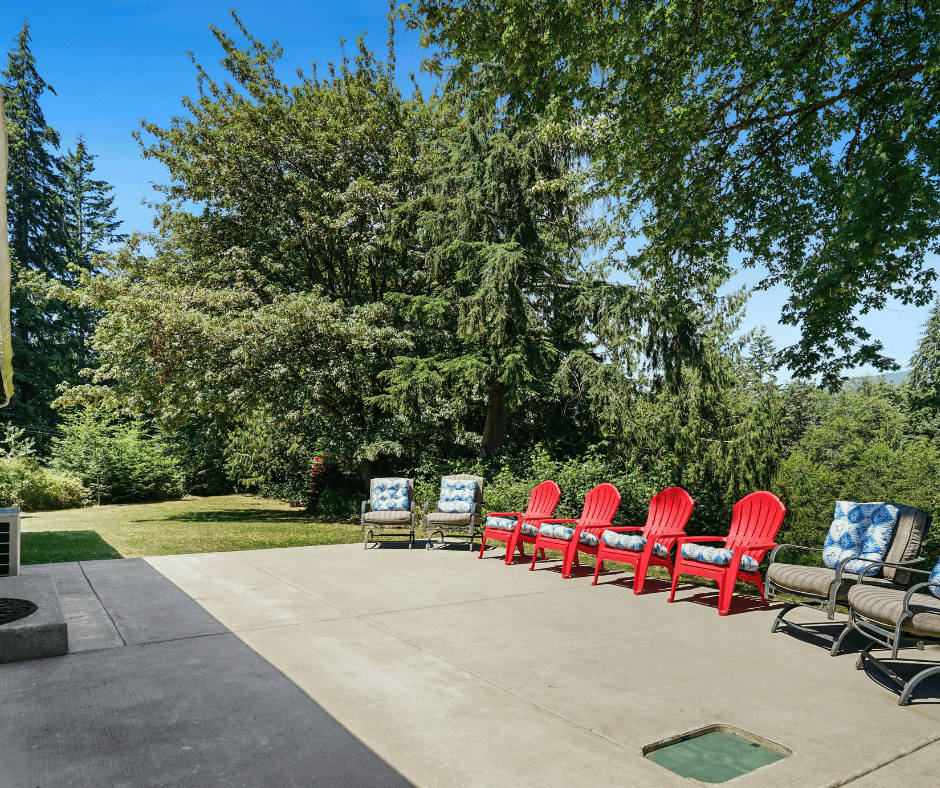
Standing in your sloped backyard, you're facing a choice that affects everything from your project budget to how you'll use your outdoor space for decades. Most Twin Cities properties don't have perfectly flat lots—that's part of our area's natural topography. The question isn't whether your yard has slope, but how you'll work with it when adding a concrete patio.
After installing concrete patios across the Minneapolis area since 2004, we've designed solutions for every slope challenge imaginable. From gentle grades that barely register to dramatic hillsides that drop several feet, each property requires a thoughtful approach that balances aesthetics, functionality, drainage, and budget. The tiered versus single-level decision fundamentally shapes your entire project.
This comprehensive guide walks you through everything Minneapolis homeowners need to consider when planning concrete patios on sloped lots, with specific attention to Minnesota's freeze-thaw cycles, clay soil behavior, and local construction requirements.
Before you can decide between tiered and single-level designs, you need to understand your yard's actual slope. What feels steep when you're walking across it might measure quite differently with proper tools.
Professional contractors measure slope in several ways:
Rise Over Run: The vertical change (rise) divided by the horizontal distance (run), typically expressed as a percentage. A 10-foot horizontal distance with 2 feet of vertical drop represents a 20% slope.
Degree Measurement: The angle of the slope measured in degrees. A 20% slope equals approximately 11 degrees, while a 50% slope measures about 27 degrees.
Informal Assessment: Patio areas with less than 12 inches of drop across 20 feet (5% slope) often work well as single-level designs. Areas dropping 2-4 feet across 20 feet (10-20% slope) typically benefit from tiered approaches. Anything steeper than 20% almost always requires terracing or retaining wall integration.
Twin Cities properties built on former agricultural land often feature gentle, consistent slopes designed for field drainage. Properties near lakes or in older neighborhoods frequently have more dramatic topography that requires more creative solutions.
The direction your yard slopes significantly impacts your design options:
Slope Away from House: This natural drainage pattern simplifies both patio and drainage system design. Single-level patios work well when the slope isn't excessive.
Slope Toward House: This challenging situation requires immediate correction. You cannot build a patio that slopes water toward your foundation. Solutions typically involve either substantial excavation to create reverse slope or multi-level designs that redirect water flow.
Cross-Slope: When your yard slopes parallel to your house rather than away from it, both design approaches work, but drainage design becomes more complex.
Bowl or Depression: The worst scenario for drainage, requiring sophisticated solutions regardless of patio design approach.
Our exterior landscape design process always begins with thorough site evaluation, measuring not just the patio area but how water flows across your entire property.
Single-level concrete patios maintain one consistent elevation from edge to edge, though they still incorporate proper 1/4 inch per foot drainage slope within that level.
Simplified Construction: Single-level patios require less complex formwork, fewer concrete pours, and more straightforward excavation. This translates to lower labor costs and faster installation timelines.
Furniture Flexibility: A continuous flat surface accommodates any furniture arrangement without concerns about chairs or tables sitting unevenly. Large dining tables, conversation groupings, or play areas all work seamlessly.
Accessible Design: Single-level patios naturally provide better accessibility for mobility-challenged family members, strollers, or wheeled furniture. The absence of steps eliminates tripping hazards.
Visual Continuity: From an aesthetic perspective, single-level designs create unbroken sight lines and make yards feel larger by eliminating visual divisions.
Lower Material Costs: You're building one patio rather than multiple levels, reducing both concrete volume and structural elements like retaining walls.
Single-level patios work best in these scenarios:
Gentle Slopes: Properties with 5-8% grades (6-10 inches of drop across 10 feet) can often accommodate single-level designs with strategic excavation and filling.
Slope Away from House: When your yard naturally drops away from your foundation, a single-level patio can follow this pattern while maintaining proper drainage.
Limited Space: Smaller patio areas (under 300 square feet) rarely justify the complexity of multi-level designs unless slope is severe.
Simple Functionality: If your primary use is straightforward—a place for a table and chairs or a basic sitting area—single-level designs deliver maximum usable space.
Budget Constraints: When project budgets are tight, single-level designs reduce costs by minimizing retaining wall requirements and structural complexity.
Creating a single-level patio on a sloped lot requires moving earth. The uphill side gets excavated (cut), while the downhill side gets built up with fill. This creates several Minnesota-specific challenges:
Clay Soil Compaction: Twin Cities clay soils are notoriously difficult to compact properly. Fill areas require multiple lifts of 6-8 inches each, with thorough compaction between layers. Poor compaction leads to settling and cracking within 2-3 years.
Frost Heave Concerns: Minnesota's frost depth reaches 42-60 inches. Fill areas that aren't properly compacted and drained become frost heave zones, where freezing ground lifts and cracks your patio each winter.
Drainage Integration: Single-level patios on slopes need robust drainage systems behind excavated areas and beneath filled areas. Water accumulation in these zones causes most patio failures.
Volume of Earth: A 20x15 foot patio on a 10% slope might require 15+ cubic yards of excavation and similar fill volume. This affects both project cost and logistics—where does excavated material go?
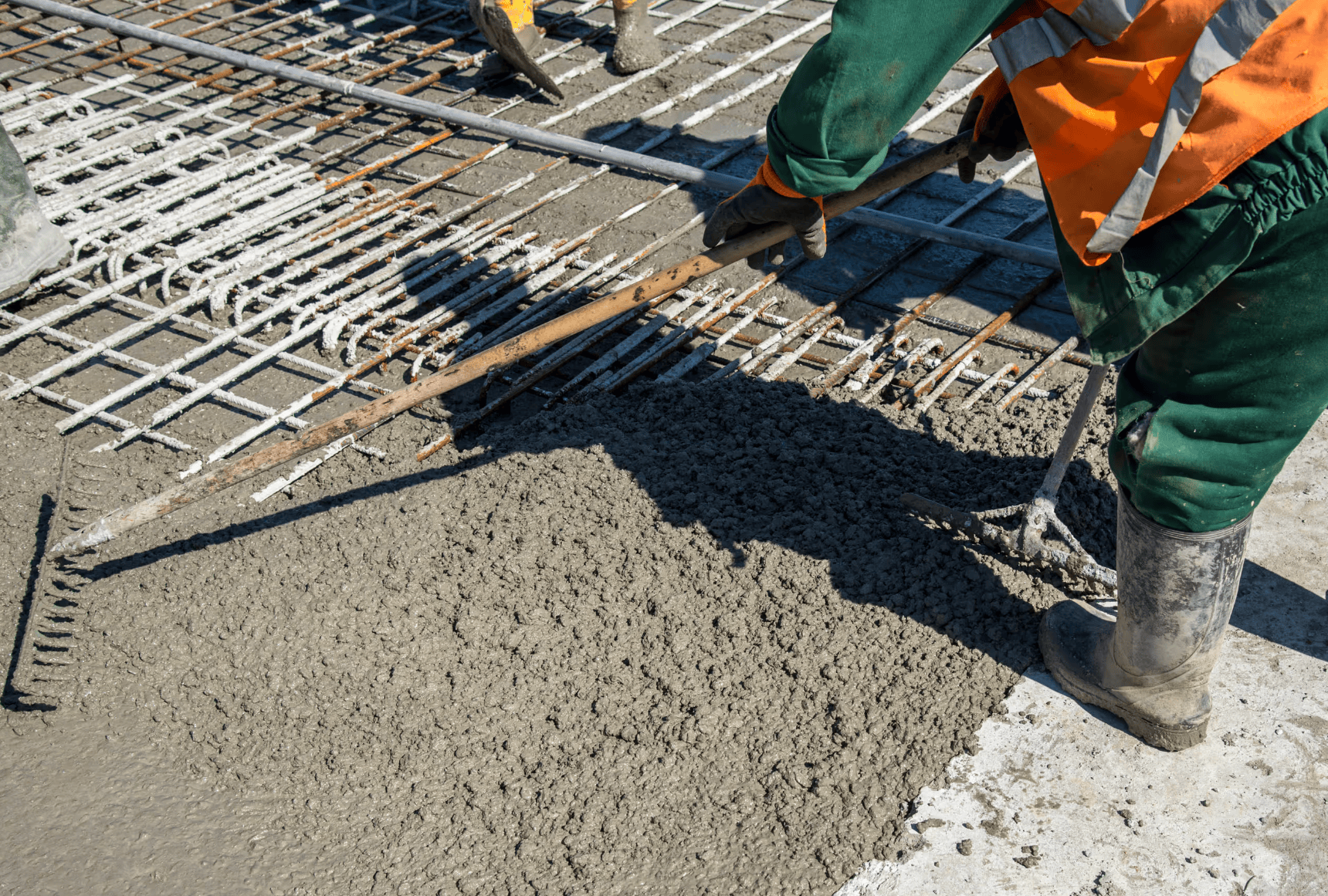
Our teams at Preferred 1 Concrete use proper base preparation techniques including Class 5 aggregate base, geotextile fabric separation, and systematic compaction to ensure fill areas perform as well as undisturbed ground.
Tiered patio designs incorporate two or more distinct elevation levels, typically connected by steps. This approach works with the slope rather than fighting it.
Reduced Earthwork: By creating elevation changes in the patio itself rather than leveling the entire area, you minimize both excavation and fill requirements. This reduces costs, compaction challenges, and project complexity.
Superior Drainage: Multiple levels naturally move water downhill through the design. Each tier can incorporate drainage solutions, and the steps themselves create defined water paths.
Defined Activity Zones: Different levels psychologically separate spaces. Upper levels work well for dining or grilling, while lower levels create gathering or fire pit areas. This separation happens naturally without furniture placement.
Enhanced Visual Interest: Multi-level designs add architectural dimension to flat suburbia. The elevation changes, retaining walls, and step details create more engaging outdoor spaces than single flat surfaces.
Flexible Sizing: Each tier can be sized for its intended purpose rather than creating one oversized level that tries to accommodate everything.
Works with Severe Slopes: Properties dropping 3+ feet across the patio area almost require multi-level solutions. Trying to create a single level would demand dramatic earthwork or towering retaining walls.
Multi-level patios make sense in these situations:
Moderate to Steep Slopes: Properties with 10-20%+ grades (12+ inches of drop across 10 feet) benefit significantly from tiered approaches.
Large Patio Areas: Projects exceeding 400 square feet gain functional advantages from distinct activity zones at different levels.
Entertainment Focus: Homeowners who host gatherings appreciate the natural separation between dining, conversation, and cooking areas that multiple levels provide.
Complex Topography: Properties with irregular slopes, multiple grade changes, or existing landscape features integrate better with flexible multi-level designs.
Walkout Basements: Homes with walkout lower levels often benefit from tiered patios that create transitions from upper door access down to yard level.
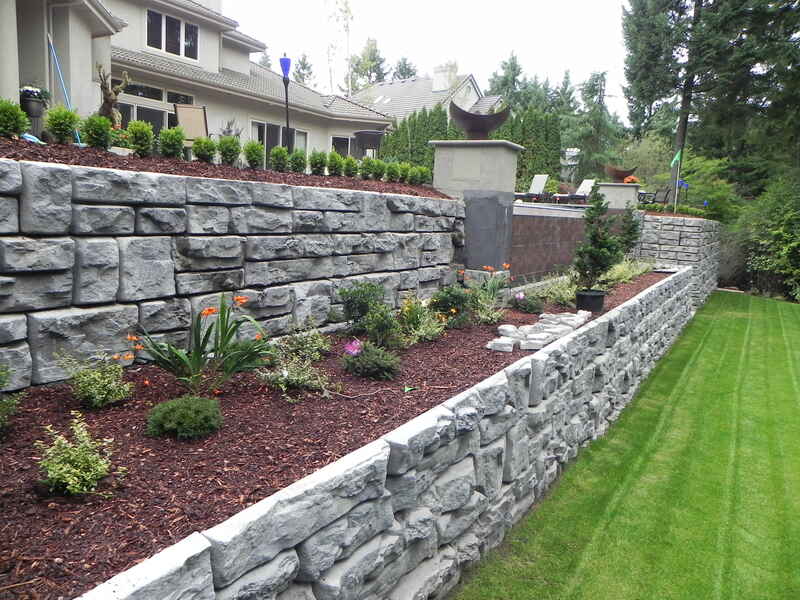
Most tiered patio designs incorporate retaining walls between levels. These critical structural elements require proper design and construction:
Height Considerations: Minnesota building codes typically require professional engineering for retaining walls exceeding 4 feet. This affects permit requirements and project costs. Most residential tiered patios use 18-36 inch walls that don't trigger these requirements.
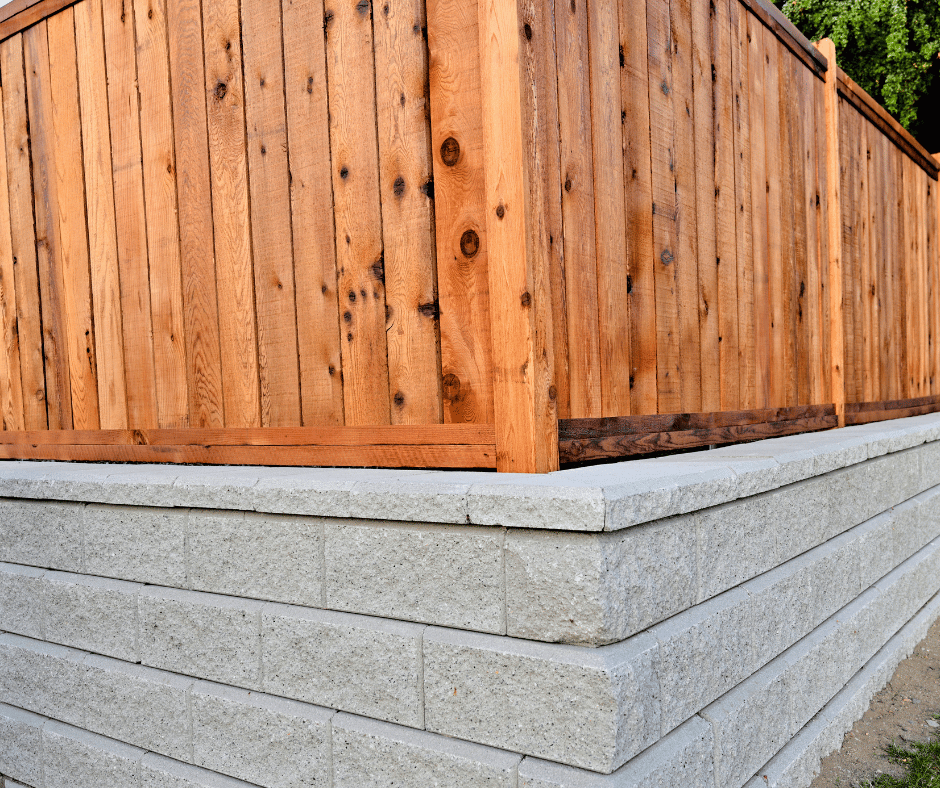
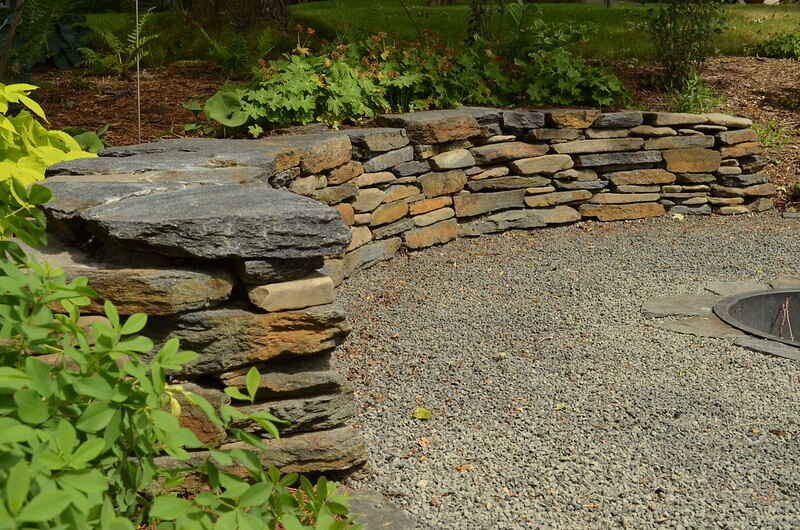
Material Options: Segmental concrete blocks, natural stone, and poured concrete walls all work. Each offers different aesthetics, costs, and installation requirements. Segmental block systems are most common for residential projects due to versatility and reliability.
Drainage Behind Walls: Every retaining wall needs proper drainage—clean angular gravel, perforated drain pipe, and filter fabric. This prevents hydrostatic pressure buildup that causes wall failure, especially critical in Minnesota's freeze-thaw climate.
Foundation Requirements: Retaining walls need proper foundations with compacted gravel base extending below frost line. Skipping this step leads to settling, leaning, and eventual failure.
The steps connecting your patio levels require careful attention:
Tread and Riser Dimensions: Outdoor steps typically use 14-16 inch treads (the part you step on) with 6-7 inch risers (the vertical height). These comfortable dimensions feel natural and safe.
Width Requirements: Main access stairs should be at least 4 feet wide for comfortable two-person passage. Secondary stairs can be narrower (3 feet minimum).
Slip Resistance: Smooth-finished concrete steps become hazardous when wet or icy. Proper finishing techniques include broom finishing, exposed aggregate, or textured stamping for traction.
Lighting Integration: Steps create tripping hazards at night. Planning for step lighting during construction—whether integrated LED strips, post lights, or hardwired fixtures—improves safety and aesthetics.
Handrail Considerations: While not always required for residential exterior steps, handrails significantly improve safety, especially for older family members. Minnesota codes require handrails for stairs with 4+ risers in some municipalities.
Our climate creates unique challenges regardless of which patio design you choose.
Minnesota experiences 40-50 freeze-thaw cycles annually—water freezing and thawing repeatedly throughout winter and spring. This affects both single-level and tiered designs:
Heaving in Fill Areas: Improperly compacted fill beneath single-level patios heaves unevenly during freezing, creating cracks and uneven surfaces. Each freeze-thaw cycle progressively worsens the damage.
Retaining Wall Movement: Tiered designs with retaining walls face pressure from freezing soil behind walls. Walls without proper drainage and frost-depth foundations lean forward or crack during winter.
Step Separation: The joints between steps and patio levels in tiered designs are vulnerable points where freeze-thaw damage initiates. Proper construction techniques and control joints minimize this risk.
Concrete Spalling: Surface water that penetrates concrete and freezes causes surface spalling (flaking). This affects both design types equally and highlights the importance of proper concrete mix design and curing.
Twin Cities properties typically feature clay-heavy soils that present specific challenges:
Expansion and Contraction: Clay expands significantly when wet and shrinks when dry. This seasonal movement stresses concrete slabs and retaining walls. Single-level patios on deep fill experience more movement than tiered designs working closer to natural grade.
Poor Drainage: Clay soil drains extremely slowly (0.01-0.5 inches per hour versus 5-20 inches per hour for sandy soils). Both patio types need robust drainage systems, but single-level designs on slopes face greater challenges directing water away from fill areas.
Compaction Difficulty: Achieving proper compaction in clay fill requires the right moisture content, appropriate equipment, and multiple passes. This makes single-level designs with significant fill more challenging and expensive to build correctly.
Local building codes affect both design approaches:
Retaining Wall Height Limits: Most Twin Cities municipalities require permits and often engineering for walls exceeding 3-4 feet. This primarily affects tiered designs but can also impact single-level patios that need tall retaining walls to hold back excavated slopes.
Frost Depth Requirements: Foundations must extend below frost depth (typically 42-48 inches in the Twin Cities). This affects both patio base preparation and retaining wall foundations.
Drainage Management: Many cities have stormwater management requirements that restrict where and how you can discharge patio drainage. Complex projects might need engineered drainage plans regardless of design type.
Our team handles all permit requirements and works with structural engineers when needed to ensure your project meets local codes.
Understanding the cost implications helps inform your decision between tiered and single-level designs.
For a typical 400 square foot single-level patio on a modest slope (10% grade), expect these cost factors:
Base Concrete Patio: $8-14 per square foot for basic brushed concrete, $12-20 per square foot for stamped concrete patterns, totaling $3,200-$8,000 for concrete and finishing.
Excavation and Grading: $800-$2,000 for earth removal and rough grading, depending on slope severity and site access.
Fill Material and Compaction: $600-$1,500 for Class 5 aggregate base, compaction equipment, and labor for proper fill area preparation.
Drainage System: $500-$1,200 for French drain installation, drainage rock, filter fabric, and proper outlet connections.
Retaining Wall (if needed): $25-45 per square foot for segmental block walls to hold back excavated slopes, potentially adding $1,500-$4,000 for walls exceeding 20 linear feet.
Total Range: $6,600-$16,700 depending on finishes, slope severity, and site conditions.
For a comparable 400 square foot tiered design split between two levels:
Concrete for Multiple Levels: $8-14 per square foot for brushed concrete, $12-20 per square foot for stamped, same square footage but potentially 5-10% more cost due to multiple pours and additional formwork, totaling $3,400-$8,800.
Reduced Earthwork: $500-$1,200 for less extensive excavation and filling due to working with natural slope.
Retaining Walls Between Levels: $25-45 per square foot for 18-36 inch walls, typically 12-20 linear feet, adding $2,000-$5,400.
Step Construction: $400-$1,000 per set of stairs depending on width and detail level.
Enhanced Drainage: $600-$1,500 for drainage behind retaining walls plus general patio drainage.
Total Range: $7,900-$19,900 depending on number of levels, wall details, and finish choices.
The answer depends entirely on your specific slope and design:
Gentle Slopes (5-10%): Single-level designs typically cost $1,000-$3,000 less because they avoid retaining walls and step construction while requiring minimal earthwork.
Moderate Slopes (10-15%): Costs become comparable. Single-level designs need more earthwork and potentially taller retaining walls to hold back slopes, while tiered designs spread costs across multiple walls and steps.
Steep Slopes (15%+): Tiered designs usually cost less because creating single-level patios requires massive earthwork, tall retaining walls (potentially requiring engineering), and extensive fill that's expensive to properly compact.
Our concrete patio cost estimates always include site-specific factors because slope, drainage requirements, and access significantly affect final prices.
Choosing between tiered and single-level designs requires evaluating multiple factors specific to your situation.
Start by defining how you'll use your patio:
Dining Priority: Large dining tables work better on single levels where all chairs sit evenly. Tiered designs can accommodate dining but require planning to ensure adequate single-level space.
Multiple Activity Zones: Families wanting distinct areas for grilling, dining, conversation, and fire pits benefit from tiered designs that naturally separate these functions.
Children's Play: Single-level designs provide more open space for play without step hazards. However, older children often enjoy the dimensional interest of multiple levels.
Accessibility Needs: Family members with mobility challenges need either single-level access or carefully designed ramps. Steps, even well-designed ones, create barriers.
Furniture Investment: If you've already purchased patio furniture, ensure your design accommodates it. Some furniture arrangements work poorly on multiple levels.
Your property's physical characteristics often make the decision for you:
Existing Trees: Mature trees you want to preserve might dictate design approach. Single-level designs require more excavation that can damage root systems. Tiered designs can work around trees more easily.
Utility Line Locations: Underground utilities limit excavation depth, sometimes making extensive single-level grading impossible.
Drainage Paths: Your property's existing water flow might favor one approach. Some slopes naturally integrate with tiered designs, while others work better leveled.
Access Limitations: Can excavation equipment reach your backyard? Single-level designs requiring extensive earthwork might not be feasible if site access is limited.
Adjacent Structures: Proximity to sheds, garages, or driveways affects both design options differently.
Personal taste plays an important role:
Visual Style: Do you prefer clean, minimalist single planes, or do you appreciate the architectural dimension of multi-level designs?
Maintenance Attitude: Single-level designs offer easier snow clearing, leaf removal, and general maintenance. Multiple levels create more edges and corners to clean around.
Long-Term Plans: If you might age in place, single-level designs offer better accessibility over time. Families with young children might prioritize play space now with less concern for future accessibility.
Property Character: Some homes and yards simply look better with one approach versus the other. A modern home might suit clean single planes, while a craftsman-style property might complement tiered designs better.
While homeowners can make preliminary decisions, professional input ensures you don't miss critical factors:
Drainage Engineering: Professional contractors evaluate your entire property's drainage patterns, not just the immediate patio area. We identify problems single-level designs might create or advantages tiered approaches offer.
Structural Requirements: We calculate whether your slope requires engineered retaining wall solutions, which affects feasibility and budget.
Code Compliance: We know local permit requirements, frost depth specifications, and structural codes that affect which designs are even allowed.
Cost Optimization: Professional designers can often find hybrid approaches or design tweaks that deliver your desired functionality at lower cost than pure implementations of either approach.
Our design process at Preferred 1 Concrete includes detailed site evaluation, drainage analysis, 3D visualization options, and comprehensive cost breakdowns before any construction begins. This upfront investment prevents expensive mid-project changes and ensures you're completely satisfied with the final design.
Sometimes the answer isn't pure tiered or pure single-level, but a thoughtful combination.
These designs create one large level for primary use with a smaller secondary level for specific purposes:
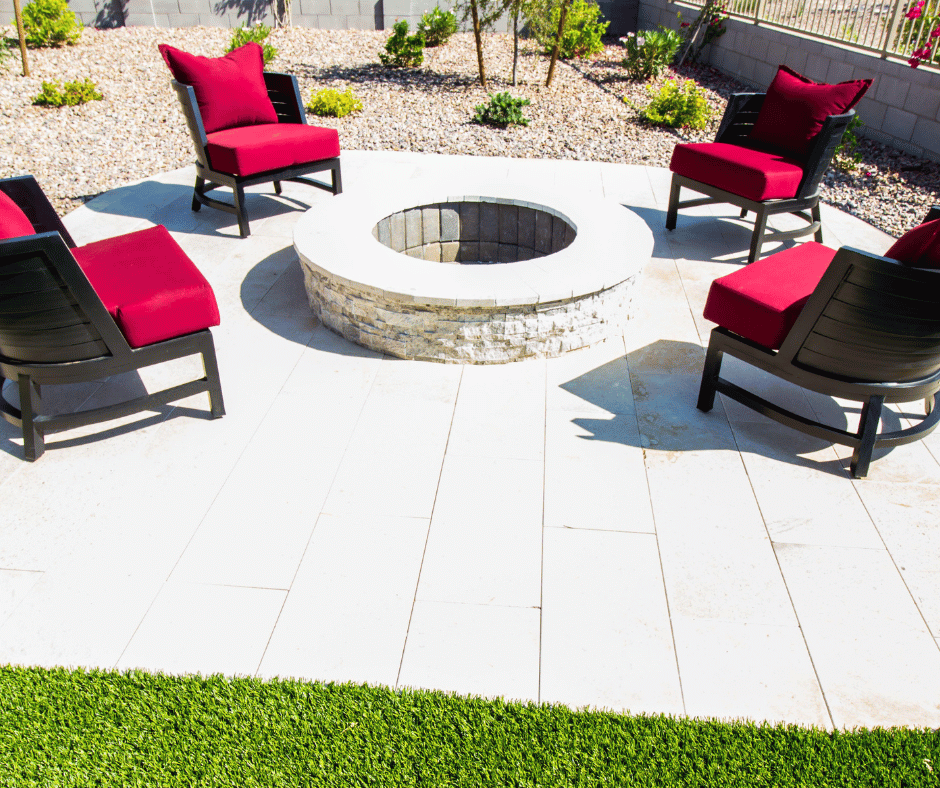
Main Level with Fire Pit Tier: A 300 square foot primary patio accommodates dining and general gathering, with a 100 square foot lower level dedicated to a fire pit conversation area.
Split-Level Grilling Station: The main patio sits at one level while an elevated grilling and prep area creates a defined cooking zone that keeps smoke above seated guests.
Entry Landing Plus Main Patio: A small upper landing at door threshold height transitions down 2-3 steps to the main patio level, minimizing excavation near your foundation.
Instead of dramatic elevation differences, some designs incorporate gentle grade changes:
Stepped Transitions: Rather than one 18-inch drop, create two 9-inch changes with intermediate landings. This reduces the visual impact while still managing slope.
Ramped Edges: Where steps might be used, a 5-6% ramped edge can provide wheelchair access while maintaining most of the patio at a consistent level.
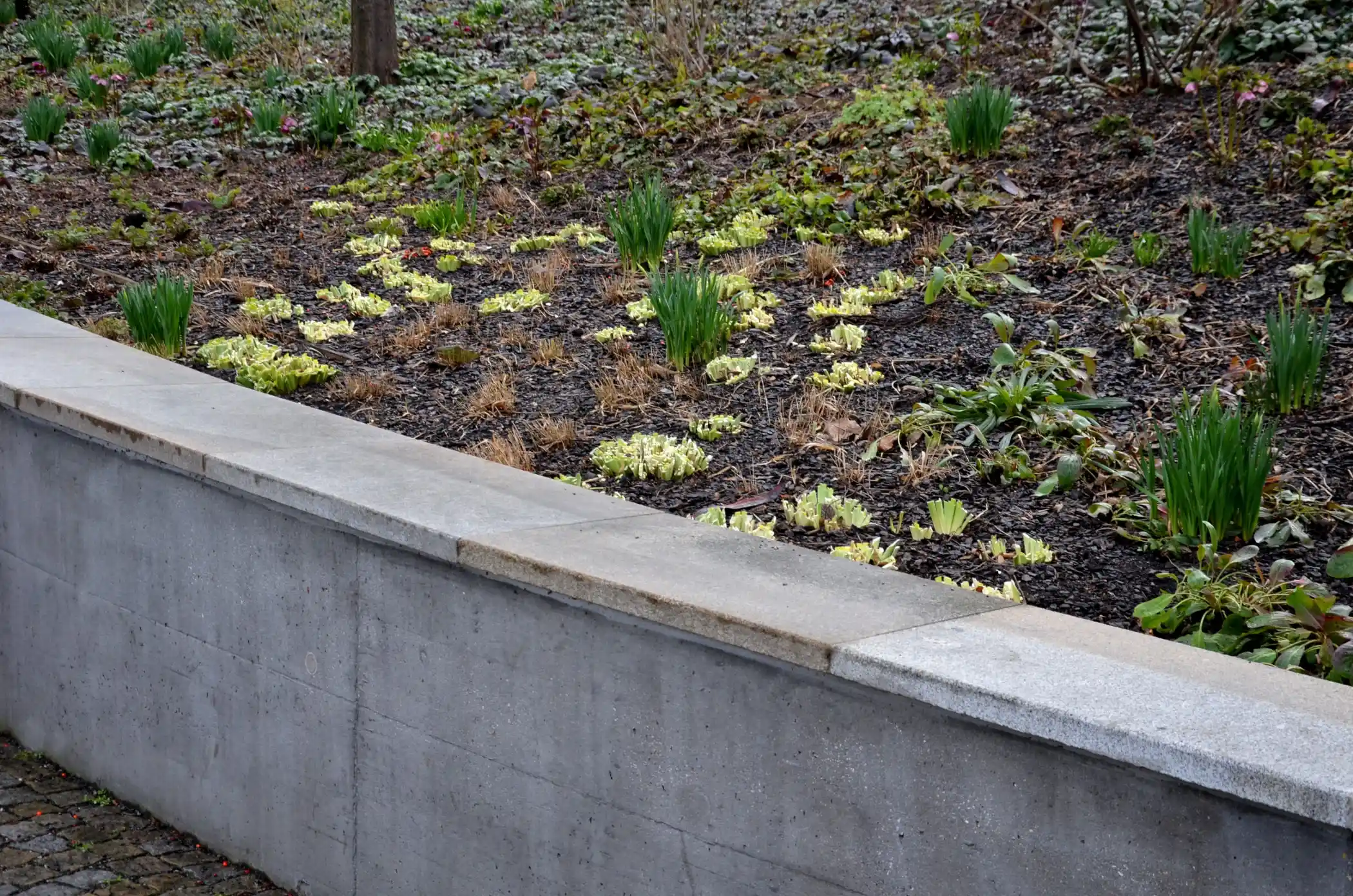
Terraced Perimeter: The main patio stays level while the perimeter incorporates shallow terraced areas for planters or seating walls that help manage grade changes.
Seeing how other Minneapolis homeowners solved similar slope challenges provides valuable perspective.
A Lakeville property with 8% slope across a proposed 350 square foot patio area. The homeowners wanted maximum space for a dining table seating eight plus a conversation grouping.
Solution: Single-level design with strategic excavation uphill and 12-16 inches of properly compacted fill downhill. A low segmental block retaining wall (18 inches) held back the excavated slope near the house.
Key Success Factors: Proper base preparation with 6 inches of Class 5 aggregate, geotextile fabric separation, and systematic compaction in 6-inch lifts prevented settling in the fill area.
Results: Five years later with zero settling or drainage problems. The continuous level accommodated furniture flexibility, and the initial concern about fill areas proved unfounded due to proper construction techniques.
A Burnsville property dropping 4 feet across the proposed patio area from house to yard. The homeowners wanted space for grilling, dining, and a fire pit.
Solution: Three-level tiered design with 18-month retaining walls between levels. Upper level (120 sq ft) accommodated grilling area at door level, mid-level (180 sq ft) provided dining space, and lower level (150 sq ft) featured fire pit.
Key Success Factors: Each retaining wall included proper drainage systems with perforated pipe, clean gravel, and filter fabric. Steps between levels measured 5 feet wide for comfortable traffic flow.
Results: The design worked with the natural slope rather than fighting it, reducing earthwork costs by approximately $3,500 compared to single-level estimates. The defined activity zones proved more functional than one large level would have been.
A Minneapolis property with cross-slope—the yard dropped 3 feet from left to right rather than away from the house. Standard approaches created drainage challenges.
Solution: Hybrid design with primary 280 square foot level for dining and general use, plus a 120 square foot lower gathering area. Strategic placement allowed proper drainage toward the yard's natural low point.
Key Success Factors: Comprehensive drainage plan integrated French drains, surface swales, and patio slope to work with property's existing water flow rather than fighting it.
Results: The design solved drainage issues that plagued the previous patio. Multiple levels provided visual interest while the main level offered sufficient space for primary activities.
Your long-term maintenance expectations should inform your design choice.
Snow Removal: One continuous surface makes snow clearing straightforward with shovels or snow blowers. No steps to navigate or edges to work around.
Leaf and Debris Cleanup: Flat surfaces are easiest to sweep clean. Leaves don't accumulate in corners or against retaining walls.
Furniture Movement: Rearranging furniture, moving planters, or bringing in new pieces is simpler without steps to navigate.
Resurfacing or Repairs: If your patio eventually needs diamond grinding to smooth surface irregularities or patching for cracks, single-level designs cost less to maintain because there are fewer transitions and edges.
Snow Removal Complexity: Multiple levels require clearing each tier separately. Snow pushed off upper levels lands on lower levels, requiring multiple passes. Steps need careful attention to prevent ice buildup.
Debris Collection: Leaves and dirt tend to collect against retaining walls and in step corners. Regular cleanup requires more time and attention to detail.
Step Maintenance: Steps experience more wear than patio surfaces due to concentrated foot traffic. They may need more frequent sealing or repairs.
Retaining Wall Inspection: Annual inspection of retaining walls ensures drainage systems stay clear and blocks remain properly aligned. Single-level designs have fewer structural elements requiring monitoring.
Use this decision framework to determine which approach best fits your situation:
Choose Single-Level If:
Choose Tiered If:
Choose Hybrid Approach If:
The tiered versus single-level decision significantly impacts your concrete patio's functionality, appearance, cost, and long-term performance. There's no universally correct answer—the right choice depends on your specific property's slope, drainage patterns, soil conditions, your family's needs, and your budget.
After installing hundreds of concrete patios across the Twin Cities since 2004, we've developed expertise in evaluating properties and matching designs to situations. Our process ensures you understand the advantages and tradeoffs of each approach specific to your yard, not based on generic advice.
Most importantly, whether we build single-level or tiered designs, we never compromise on the critical elements that ensure long-term success in Minnesota's climate: proper drainage systems, correct base preparation for our clay soils, appropriate structural design for retaining walls, and construction techniques proven to withstand freeze-thaw cycles.
Your sloped yard isn't a problem to overcome—it's an opportunity to create an engaging outdoor space that works with your property's natural character. The right design approach transforms slope from a challenge into an asset.
Ready to discuss your sloped yard and explore design options? Contact Preferred 1 Concrete for a consultation. We'll evaluate your property's specific conditions, discuss your functional priorities, and provide detailed proposals for both approaches so you can make an informed decision. With over 20 years of experience with Twin Cities topography, we'll guide you to the solution that's right for your property and your family.



.png)
.png)
.png)
.png)
.png)






.png)
.png)


