Segmental Retaining Walls vs. Poured Concrete Walls: A Minneapolis Homeowner's Cost and Durability Comparison

Compare segmental block and poured concrete retaining walls for Minneapolis properties. Cost, durability, and performance analysis for Minnesota freeze-thaw conditions.
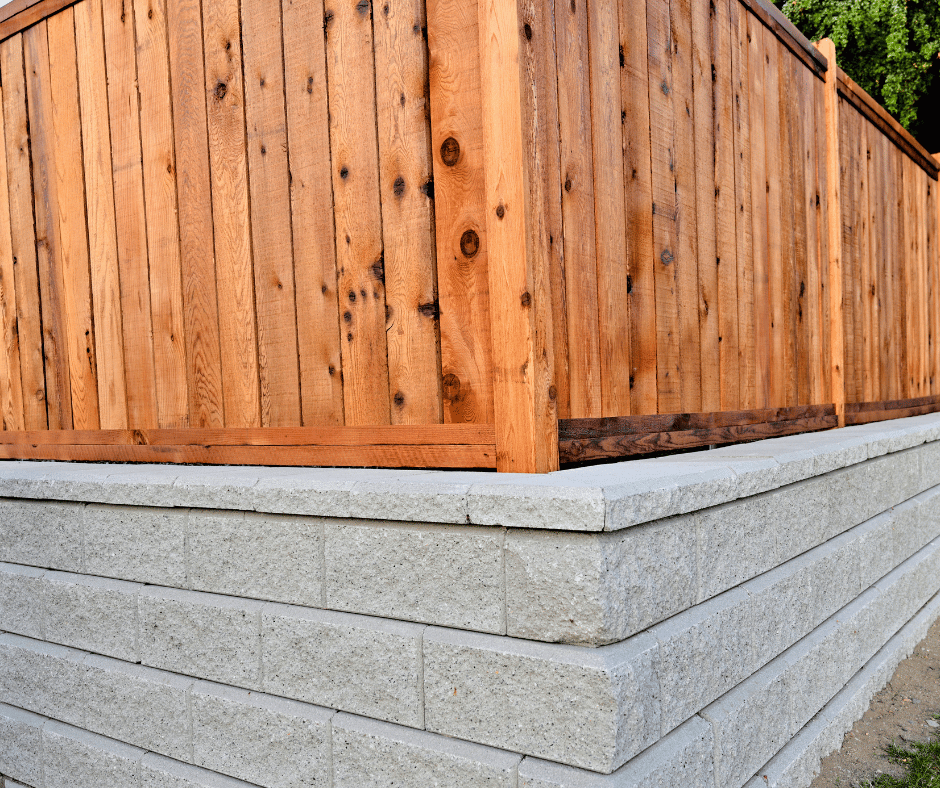
Standing at your property's slope, you know you need a retaining wall, but the choice between segmental concrete blocks and poured concrete walls feels overwhelming. Both claim to solve your drainage problem, create usable yard space, and last for decades. The reality is more nuanced—each approach excels in different situations, and Minnesota's brutal freeze-thaw cycles amplify the importance of making the right choice.

After building retaining walls across the Twin Cities since 2004, we've installed hundreds of both segmental and poured concrete walls. We've also repaired both types when poorly executed. The decision between these systems should be based on your specific site conditions, wall height requirements, budget constraints, and performance expectations—not on contractor preference or what your neighbor installed.

This comprehensive guide compares segmental and poured concrete retaining walls from every angle that matters to Minneapolis homeowners: upfront costs, long-term durability in Minnesota weather, installation timelines, drainage performance, design flexibility, and maintenance requirements.

Understanding the Two Systems

Before comparing costs and performance, you need to understand what you're actually comparing.

Segmental Retaining Walls (SRWs): The Modular Approach

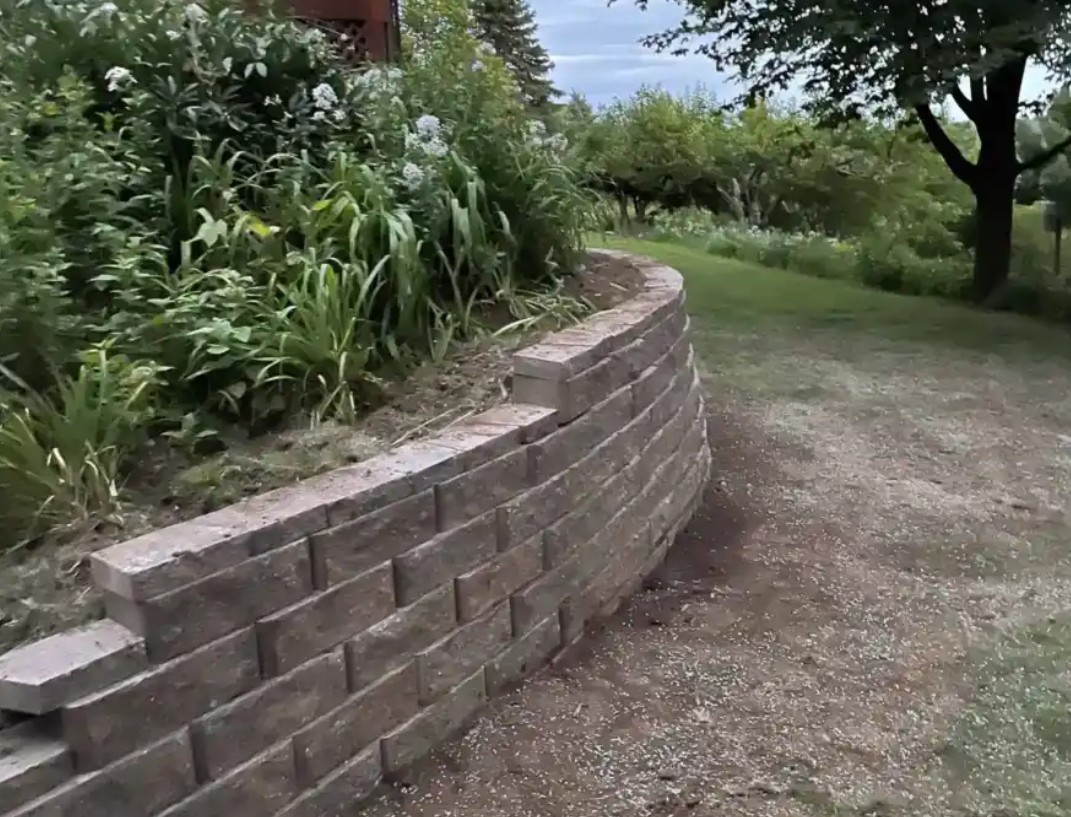
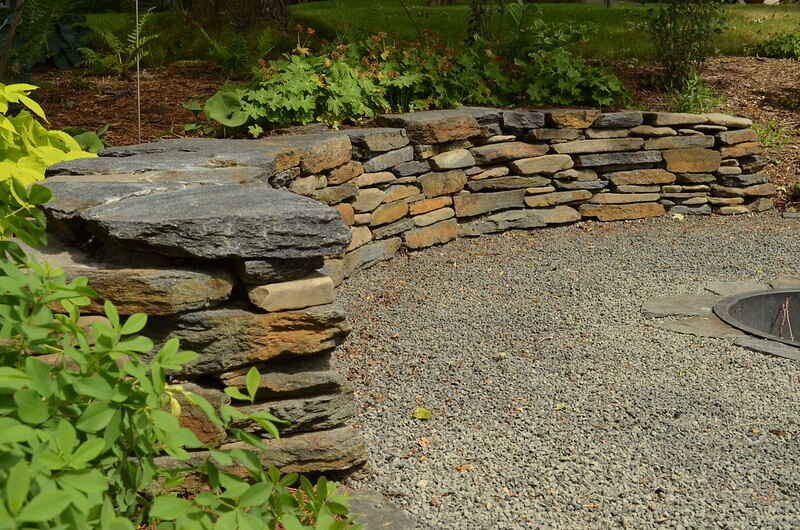
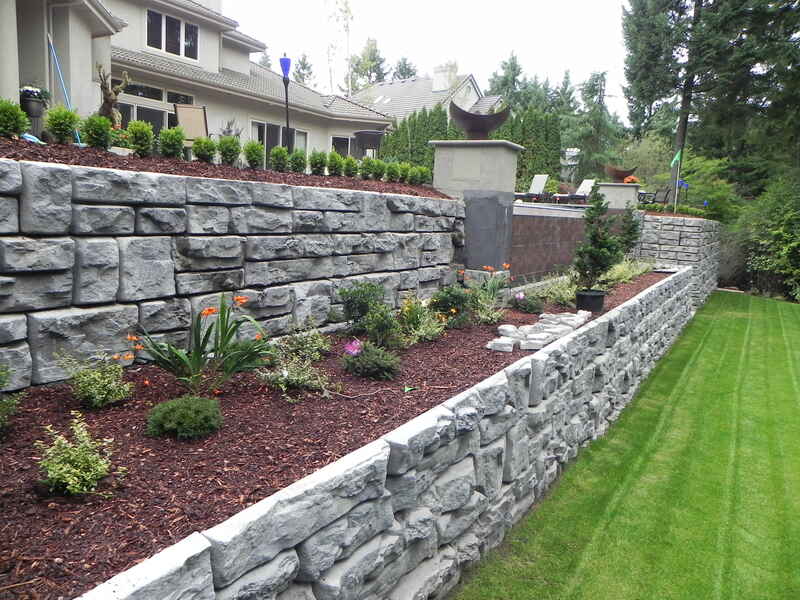
Segmental retaining walls use manufactured concrete blocks—typically 12-18 inches wide, 6-8 inches tall, and weighing 40-90 pounds each—that stack together to create walls. These aren't simple concrete blocks; they're engineered systems designed specifically for retaining soil.

How They Work: Modern SRW systems use multiple stability mechanisms. The blocks' weight and backward lean (setback or batter) create gravity resistance. Many systems incorporate interlocking lips, pins, or channels that mechanically connect courses. Taller walls often integrate geogrid layers—high-strength synthetic fabric embedded in backfill behind the wall—that dramatically increase load capacity.

Common Brand Systems: Popular brands include Allan Block, Versa-Lok, Anchor Wall Systems, Belgard, and numerous regional manufacturers. Each offers distinct block profiles, connection methods, and aesthetic options.

Construction Approach: Installation involves excavating and creating a compacted gravel foundation, then stacking blocks course-by-course while simultaneously installing drainage systems and compacting backfill behind the wall. The process is methodical but doesn't require specialized formwork or concrete trucks.

Poured Concrete Walls: The Monolithic Approach

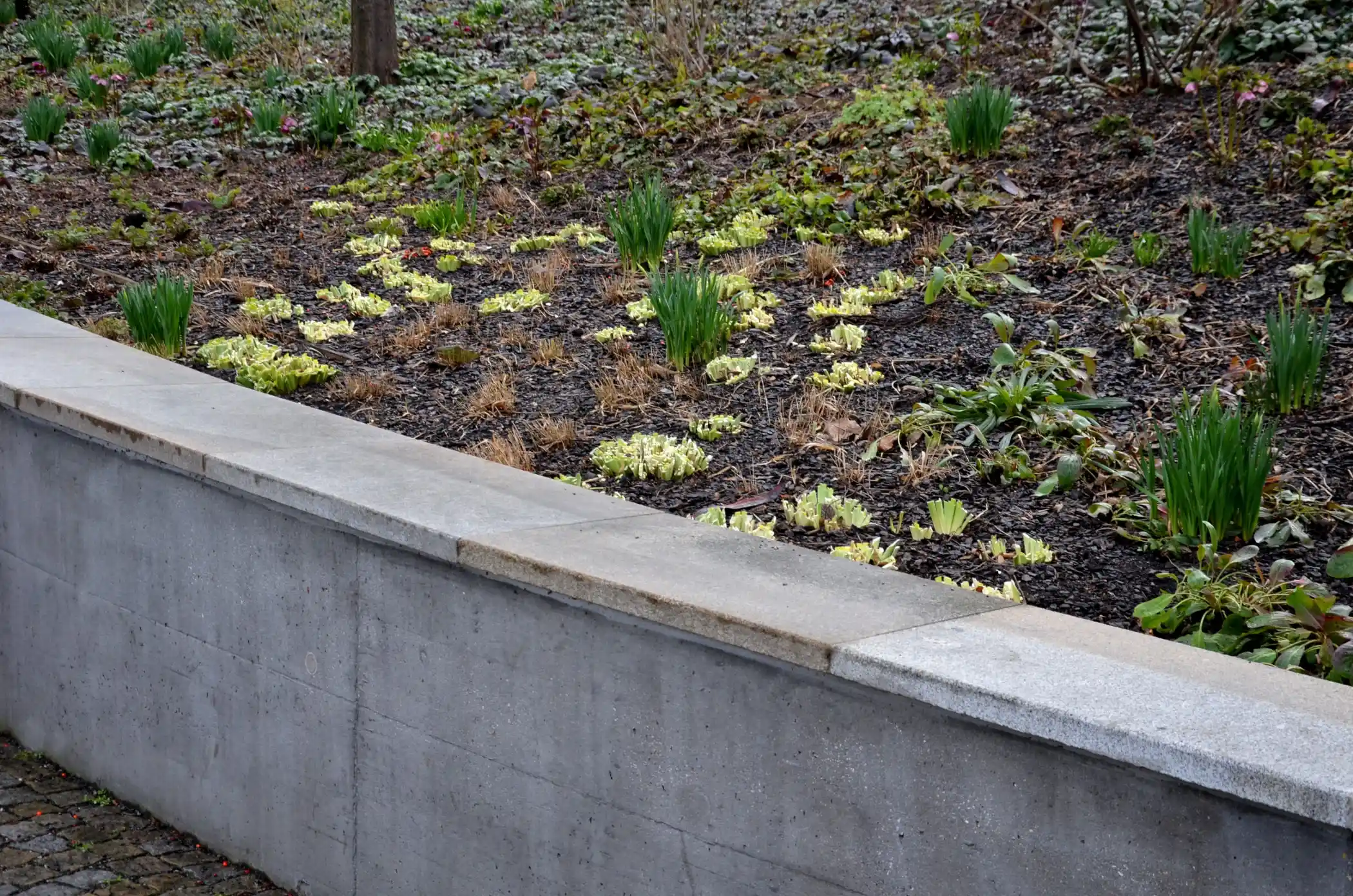
Poured concrete retaining walls create single, continuous structures by pouring concrete into temporary formwork. For residential applications, these typically follow cantilever designs—L-shaped or T-shaped walls where the stem holds back soil while the base extends beneath the soil behind the wall.

How They Work: The wall's shape and internal steel reinforcement (rebar) work together to resist earth pressure. The weight of soil resting on the base portion extending back from the stem provides additional overturning resistance. The continuous concrete mass creates a rigid structure anchored by its foundation.

Engineering Requirements: Most poured concrete walls require professional structural engineering that calculates rebar placement, concrete strength requirements, and foundation dimensions based on soil conditions and wall height.

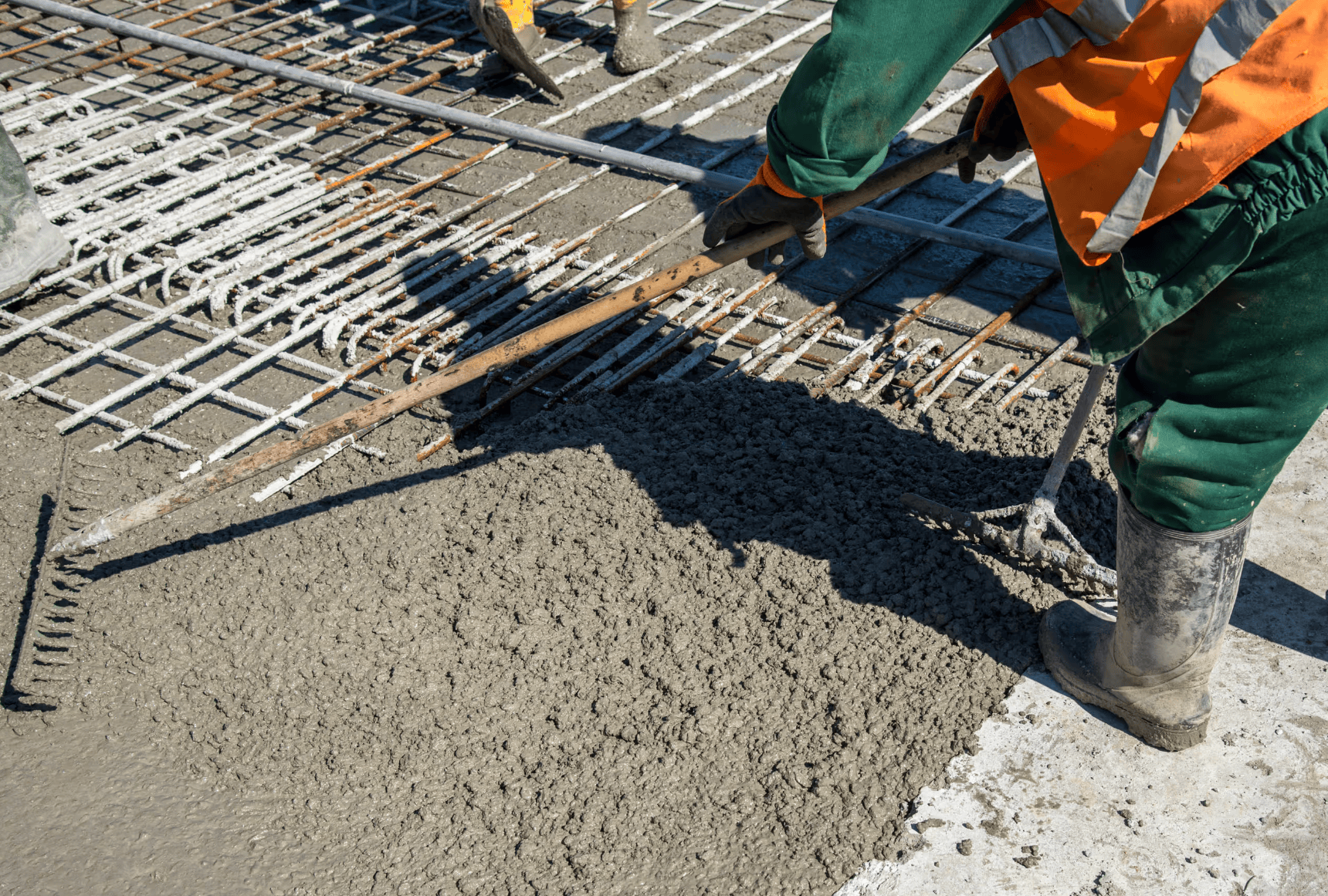
Construction Approach: Installation involves significant excavation for both the wall and foundation, building custom formwork, placing reinforcement steel, pouring concrete, and curing before backfilling. The process requires concrete delivery, formwork expertise, and typically more time than segmental installations.

Cost Comparison: What Each System Actually Costs

When Minneapolis homeowners ask about cost differences, the answer depends heavily on wall height and site complexity.

Segmental Block Retaining Wall Costs

For typical residential installations in the Twin Cities:

Materials (Per Square Foot of Wall Face):

  • Standard segmental blocks: $8-15 per square foot
  • Premium blocks (varied textures, colors): $12-22 per square foot
  • Geogrid reinforcement (when needed for taller walls): $3-6 per square foot additional
  • Drainage materials (gravel, fabric, pipe): $2-4 per square foot
  • Cap blocks and adhesive: $4-8 per linear foot of wall top

Labor and Installation:

  • Base preparation and excavation: $3-6 per square foot
  • Block installation: $8-15 per square foot
  • Backfilling and compaction: $3-5 per square foot

Total Cost Examples:

  • 3-foot-tall, 20-foot-long wall (60 sq ft): $1,500-$3,600 ($25-60 per sq ft all-inclusive)
  • 4-foot-tall, 30-foot-long wall (120 sq ft): $3,600-$7,200 ($30-60 per sq ft)
  • 6-foot-tall, 30-foot-long wall with geogrid (180 sq ft): $7,200-$12,600 ($40-70 per sq ft)

Poured Concrete Retaining Wall Costs

Poured concrete walls typically cost more for shorter walls but become competitive at greater heights:

Materials and Engineering:

  • Structural engineering design: $800-$2,500 (required for most walls over 4 feet)
  • Formwork (often rental): $4-8 per square foot
  • Concrete (5,000-6,000 PSI): $150-200 per cubic yard delivered
  • Reinforcement steel (rebar): $2-4 per square foot
  • Drainage materials: $2-4 per square foot

Labor and Installation:

  • Excavation and base prep: $4-7 per square foot
  • Formwork assembly: $6-12 per square foot
  • Concrete placement and finishing: $5-10 per square foot
  • Form removal and backfilling: $3-5 per square foot

Total Cost Examples:

  • 3-foot-tall, 20-foot-long wall: $2,400-$4,800 ($40-80 per sq ft)
  • 4-foot-tall, 30-foot-long wall: $4,800-$8,400 ($40-70 per sq ft)
  • 6-foot-tall, 30-foot-long wall: $9,000-$14,400 ($50-80 per sq ft)

Where Costs Shift Between Systems

Shorter Walls (Under 4 Feet): Segmental systems typically cost 20-40% less than poured concrete. The engineering requirements, formwork complexity, and specialized labor for poured walls add significant cost that's harder to justify for shorter installations.

Mid-Height Walls (4-6 Feet): Costs become comparable. Segmental walls need geogrid reinforcement, increasing material and labor costs. Poured walls still require engineering and formwork, but the costs spread over more wall height.

Tall Walls (Over 6 Feet): Poured concrete becomes increasingly competitive. The formwork and engineering costs remain relatively fixed while segmental systems require extensive geogrid, increased foundation depth, and more complex installation.

Site Complexity Factors: Difficult access that prevents concrete truck delivery, curved wall designs, or sites where formwork assembly is challenging often favor segmental systems regardless of height.

Minnesota Freeze-Thaw Performance: The Critical Difference

Cost matters, but performance in Minnesota's climate determines whether your investment lasts 15 years or 50 years.

How Freeze-Thaw Cycles Damage Walls

Minnesota experiences 40-50 complete freeze-thaw cycles annually—water in soil and concrete freezes and thaws repeatedly throughout winter and spring. This creates several destructive mechanisms:

Frost Heave: Water in soil expands by 9% when frozen, creating upward and lateral pressure that can lift, shift, or crack retaining walls. Walls without proper drainage and base preparation below frost depth (42-48 inches in the Twin Cities) face the highest risk.

Concrete Spalling: Water that penetrates concrete and freezes causes progressive surface deterioration—the freeze-thaw action breaks bonds in the concrete matrix, leading to flaking, scaling, and eventual structural weakness.

Drainage System Freezing: Ice formation in drainage systems can create temporary blockages that allow hydrostatic pressure buildup, stressing walls when they're already most vulnerable.

Segmental Block Performance in Minnesota Climate

Modern segmental systems handle Minnesota winters exceptionally well when properly installed:

Advantages:

  • Flexibility: Individual blocks can micro-adjust to minor ground movement without cracking. Clay soil expansion/contraction beneath walls causes less visible damage.
  • Drainage Integration: The gaps between blocks (typically 1/16-1/8 inch) provide secondary drainage that helps even if primary drainage systems experience temporary freezing.
  • Material Quality: High-density concrete blocks from reputable manufacturers typically use air-entrainment and quality aggregates that resist freeze-thaw better than many site-mixed concrete pours.
  • Repairability: If individual blocks do experience damage, they can often be replaced without rebuilding entire wall sections.

Vulnerabilities:

  • Joint Weathering: The gaps between blocks, while beneficial for drainage, can collect moisture that freezes. Over 20-30 years, this causes minor block edge deterioration.
  • Cap Block Adhesion: The adhesive securing cap blocks can fail during freeze-thaw cycles if improper products are used. This doesn't affect wall integrity but requires maintenance.
  • Installation Quality Dependence: Poor backfill compaction or inadequate drainage creates settlement and frost heave issues that segmental walls, despite their flexibility, cannot overcome indefinitely.

Poured Concrete Performance in Minnesota Climate

Monolithic poured walls offer different performance characteristics:

Advantages:

  • Continuous Structure: No joints means no gaps where water can penetrate between elements. A single, continuous concrete mass with no mechanical connections to fail.
  • Rebar Reinforcement: Internal steel reinforcement distributed throughout the wall provides structural continuity that pure gravity systems lack.
  • Design Precision: Engineered walls are calculated for specific site loads, frost depth, and soil conditions, providing confidence in structural adequacy.
  • Surface Options: Finishing techniques like texturing, stamping, or form liner patterns can create attractive surfaces that age gracefully.

Vulnerabilities:

  • Cracking Susceptibility: Concrete naturally cracks as it cures, and temperature cycling causes expansion/contraction. Control joints guide cracks but don't eliminate them. Horizontal cracks that develop can be problematic.
  • Repair Complexity: Significant cracks require professional repair. Unlike segmental walls where you might replace blocks, poured wall repairs often involve epoxy injection or overlay systems.
  • Formwork Quality Impact: Honeycombing (voids in concrete from improper vibration/consolidation during pour), cold joints (poorly bonded sections from multiple pours), and other placement issues create weak points that freeze-thaw cycles exploit.
  • Drainage Dependence: Poured walls absolutely require perfectly functioning drainage systems. Any hydrostatic pressure buildup stresses the rigid structure more than flexible segmental systems.

The Installation Quality Factor

In Minnesota's climate, installation quality matters more than material choice. We've seen poorly installed segmental walls fail within 5 years while properly constructed poured walls exceed 40 years without issues—and vice versa. Critical factors for both systems include:

  • Foundation depth below frost line
  • Proper drainage system installation (clean angular gravel, perforated pipe with positive slope, filter fabric)
  • Adequate backfill compaction in 6-8 inch lifts
  • Appropriate materials (concrete strength, block density, reinforcement specifications)

Installation Timeline: Speed vs. Precision

Your project timeline affects both inconvenience and seasonal construction window considerations.

Segmental Wall Installation Timeline

3-Foot-Tall, 20-Foot-Long Wall:

  • Day 1: Excavation, utilities clearance, base preparation
  • Day 2: Foundation compaction, block installation (typically completed in one day)
  • Day 3: Backfilling, compaction, final grading
  • Total: 3-4 working days

6-Foot-Tall, 30-Foot-Long Wall with Geogrid:

  • Day 1-2: Excavation, deeper foundation preparation
  • Day 3-4: Block installation, geogrid placement, progressive backfilling
  • Day 5: Final compaction, cap installation, grading
  • Total: 5-7 working days

Advantages: No curing time required. Immediate backfilling. Can work in cooler weather (40-80°F). Work stoppage for weather doesn't critically affect completed sections.

Disadvantages: Rain during backfilling complicates compaction. Requires sustained work period once started. Block delivery coordination important.

Poured Concrete Wall Installation Timeline

3-Foot-Tall, 20-Foot-Long Wall:

  • Day 1-2: Excavation, foundation excavation, base preparation
  • Day 3: Rebar installation, formwork assembly
  • Day 4: Concrete pour, finishing
  • Day 5-9: Curing period (5-7 days minimum)
  • Day 10-11: Form removal, waterproofing, backfilling
  • Total: 10-14 days (including cure time)

6-Foot-Tall, 30-Foot-Long Wall:

  • Week 1: Excavation, extensive formwork assembly, rebar placement
  • Week 2: Concrete pour, initial curing
  • Week 3: Continued curing, form removal, backfilling
  • Total: 14-21 days

Advantages: Weather during curing less critical with proper protection. Can create complex geometric shapes. Single material delivery (concrete truck).

Disadvantages: Narrow seasonal window (concrete pours challenging below 50°F without heated enclosures). Curing delays project completion. Formwork assembly weather-sensitive. Rain during pour can be problematic.

Minnesota Seasonal Considerations

Segmental Walls: Can be installed April through November with appropriate planning. Earlier spring and later fall work is feasible if ground isn't frozen and temperatures stay above 35-40°F during installation.

Poured Walls: Optimum season is May through September when nighttime temperatures stay above 50°F. Cold-weather pours are possible but require additional costs for blankets, heated enclosures, or accelerated concrete mixes.

For Minneapolis homeowners planning projects, segmental systems offer 1-2 months longer construction windows on both ends of the season—valuable flexibility when coordinating with other landscape projects or patio installations.

Drainage System Integration: Hidden But Critical

Both wall types absolutely require proper drainage, but implementation differs.

Segmental Wall Drainage

Drainage integration happens progressively as the wall is built:

Layer-by-Layer Installation: As each course of blocks is placed, drainage gravel goes directly behind it, creating the drainage zone from bottom to top. This ensures proper placement and prevents voids.

Primary System Components:

  • Clean 3/4-inch angular stone minimum 12 inches wide behind wall
  • 4-inch perforated drain pipe at wall base with 1-2% slope to outlet
  • Non-woven geotextile filter fabric separating drainage stone from backfill soil

Secondary Drainage: The small gaps between blocks provide supplemental drainage paths, though these should never be relied upon as primary drainage.

Common Problems to Avoid: Using pea gravel or dirty crushed concrete instead of clean angular stone clogs drainage. Forgetting filter fabric allows clay soil to wash into drainage zone. Flat or reverse-sloped drain pipe creates standing water.

Poured Wall Drainage

Drainage must be installed after the wall is complete, requiring additional coordination:

Post-Construction Installation: After forms are removed and waterproofing applied, drainage system goes in during backfilling phase.

System Components:

  • Foundation drainage behind wall base (absolutely critical)
  • Drainage gravel zone behind wall extending from base to near top
  • Perforated pipe at base with positive slope to outlet
  • Filter fabric preventing soil migration
  • Weep holes through wall face (sometimes used) as secondary relief

Waterproofing Coordination: Many contractors apply waterproofing membrane to the wall's backside before drainage installation. This protects concrete from moisture penetration but must be compatible with drainage system.

Common Problems: Inadequate vibration during concrete pour creates voids near the base where water accumulates. Forgetting or damaging waterproofing during backfilling. Installing drainage after wall is backfilled (surprisingly common mistake).

The Minnesota Clay Soil Challenge

Twin Cities properties feature heavy clay soils that drain extremely slowly (0.01-0.5 inches per hour). Both wall types face identical drainage challenges:

  • Clay particles migrate into drainage systems over time if filter fabric fails or is omitted
  • Clay expansion during wet periods adds pressure; shrinkage during drought creates voids
  • Freeze-thaw in saturated clay creates the most destructive pressures walls face

The drainage system's quality matters far more than wall type. A segmental wall with poor drainage fails faster than a poured wall with excellent drainage, and vice versa.

Design Flexibility and Aesthetic Options

Your wall's appearance and ability to handle site-specific challenges varies between systems.

Segmental Block Design Versatility

Curve Capability: Segmental blocks excel at curves. Most systems handle radius curves of 10-15 feet without special blocks. Tighter curves use smaller blocks or specialized units. This is a significant advantage for natural-looking garden walls or walls following property contours.

Color and Texture Options: Manufacturers offer dozens of colors from earth tones to grays, and varied textures from smooth to split-face natural stone appearances. Most Twin Cities homeowners choose grays and browns that complement Minnesota landscapes.

Height Flexibility: Segmental systems work for walls from 18 inches to 15+ feet (with engineering and geogrid). The modular nature allows progressive height changes along a wall's length without complex formwork.

Terraced Designs: Creating tiered retaining walls with multiple elevation levels is straightforward with segmental systems. This works well for Twin Cities properties with significant slopes.

Cap Variations: Cap blocks in contrasting colors, flat capstones, or angled caps create distinct finished appearances.

Poured Concrete Design Options

Geometric Precision: Poured walls create perfect straight lines, precise angles, and clean intersections. For modern architecture or formal garden designs, this crisp appearance is attractive.

Height Flexibility: Like segmental systems, poured walls work from low garden walls to tall retaining structures, though engineering requirements increase with height.

Surface Finishing: Form liners create textured patterns (stone, wood grain, geometric). Exposed aggregate finishes. Acid staining after curing. Stamped overlays. These options create custom appearances but add cost.

Curve Limitations: Curves require curved formwork, which is expensive and time-consuming. Most residential poured walls are straight or use simple angles rather than curves.

Integration with Structures: Poured walls integrate well with house foundations, driveway structures, and other concrete elements—they can often be poured continuously with these features.

Maintenance and Long-Term Care

Realistic maintenance expectations help you plan for long-term ownership.

Segmental Wall Maintenance

Routine Care (Both Systems):

  • Annual inspection after spring thaw for movement, settling, or drainage issues
  • Ensure drainage outlet remains clear of debris
  • Verify backfill surface slopes away from wall top
  • Check vegetation growth that might damage wall or impede drainage

Segmental-Specific Tasks:

  • Re-adhere loose cap blocks (typically every 8-12 years)
  • Replace individual damaged blocks if impacts occur
  • Address minor settling by re-leveling affected sections
  • Clean efflorescence (white mineral deposits) with wall cleaner if desired

Expected Lifespan: 30-50+ years with proper installation and routine maintenance. The limiting factor is typically the drainage system clogging (preventable with proper filter fabric) rather than block deterioration.

Repair Costs: Minor repairs (re-adhering caps, replacing 2-3 blocks) typically cost $200-$500. Rebuilding a failed section might be $800-$2,000 depending on size.

Poured Concrete Wall Maintenance

Routine Care: Same as segmental walls regarding drainage monitoring and backfill grading.

Concrete-Specific Tasks:

  • Seal significant cracks (1/8 inch or wider) with polyurethane or epoxy injection
  • Monitor horizontal cracks that might indicate structural issues
  • Apply concrete sealer every 5-7 years if surface is exposed
  • Repaint or refinish decorative surfaces as needed

Expected Lifespan: 40-60+ years with proper installation. Reinforced, engineered walls often outlast property ownership.

Repair Costs: Minor crack sealing costs $300-$800. Significant structural repairs (epoxy injection, carbon fiber reinforcement) run $1,500-$5,000+. Major failures requiring rebuilding cost similar to new wall construction.

When Each System Makes the Most Sense

Use this decision framework to determine which approach fits your situation.

Choose Segmental Retaining Walls When:

  • Wall height is under 5 feet and doesn't require engineering
  • Site access prevents concrete truck entry (backyard walls, narrow side yards)
  • Curves or irregular shapes are essential to your design
  • Installation timeline matters and seasonal weather windows are tight
  • Budget is $3,000-$8,000 for typical residential walls
  • DIY capability exists (though we recommend professional installation)
  • Aesthetic flexibility with various colors and textures appeals to you
  • Future modifications might be needed (walls can be extended or adjusted more easily)

Choose Poured Concrete Walls When:

  • Wall height exceeds 6 feet and requires engineering anyway
  • Maximum structural strength is necessary (supporting driveways, structures)
  • Straight, formal appearance matches your architectural style
  • Wall integrates with foundation or other concrete structures
  • Long-term minimal maintenance is priority
  • Site has easy concrete truck access
  • Budget allows $5,000-$15,000+ for engineered installation
  • Soil conditions are challenging and require maximum stability

Hybrid Approaches

Some projects use both systems strategically:

  • Poured concrete foundation walls with segmental block garden walls above
  • Poured walls for primary retaining with segmental decorative terraces
  • Segmental walls for most areas with poured corners or connection points to structures

Making Your Decision: Beyond Just Cost

The cheapest wall that fails in 7 years costs more than the properly-built wall that lasts 40 years. After two decades building retaining walls across Minneapolis, we've learned that the right wall type depends on matching system strengths to site challenges.

For most Twin Cities residential applications under 5 feet tall, segmental systems deliver excellent value—lower cost, faster installation, design flexibility, and proven Minnesota freeze-thaw performance. The modular nature accommodates minor ground movement without visible damage, and the installation timeline fits Minnesota's construction season better.

For taller walls requiring engineering, structurally demanding applications, or situations where monolithic strength justifies additional cost and time, poured concrete walls perform excellently. The continuous structure and steel reinforcement provide peace of mind for critical installations.

What matters most isn't which system you choose, but that whichever wall is built correctly: proper foundation depth below frost line, complete drainage systems with clean materials and positive slope, adequate backfill compaction, and appropriate materials for Minnesota's climate.

Ready to discuss which retaining wall system is right for your property? Contact Preferred 1 Concrete for a comprehensive site evaluation. We'll assess your slope, soil conditions, and drainage patterns, explain which approach best fits your specific situation, and provide detailed proposals for both options when applicable. Our 20+ years of Twin Cities experience means we'll guide you to the solution that delivers the best long-term value for your investment.

Concrete Patio Lighting Ideas for Minneapolis Backyards: Extending Your Outdoor Living Season

Transform your Minneapolis concrete patio with strategic lighting. Expert guidance on LED options, safety considerations, and extending Minnesota outdoor living into evening hours.

Segmental Retaining Walls vs. Poured Concrete Walls: A Minneapolis Homeowner's Cost and Durability Comparison

Compare segmental block and poured concrete retaining walls for Minneapolis properties. Cost, durability, and performance analysis for Minnesota freeze-thaw conditions.

Concrete Patio Expansion Ideas: Adding to Your Existing Minneapolis Patio Without Starting Over

Expand your existing concrete patio in Minneapolis without complete replacement. Expert guidance on matching patterns, colors, and seamless additions for Twin Cities homes.

Tiered Concrete Patios vs. Single-Level: What Works Best for Sloped Twin Cities Yards

Should you build tiered or single-level concrete patios for your sloped Twin Cities yard? Compare costs, drainage, and design options for Minnesota properties.

Concrete Patio Drainage Solutions: Preventing Water Problems in Minneapolis Yards

Learn proper drainage solutions for concrete patios in Minneapolis. Expert guidance on slopes, French drains, and preventing foundation water damage in Minnesota yards.

Stamped Concrete Patio Cost Guide: Minneapolis Pricing for Popular Patterns & Colors

How much does stamped concrete cost in Minneapolis? Get detailed 2026 pricing by pattern complexity, colors, and size plus ROI analysis for your patio project.

When is the Best Time to Pour Concrete in Minnesota? (Seasonal Guide for Homeowners)

When should you pour concrete in Minnesota? Learn optimal temperatures, seasonal advantages, and why planning ahead saves money on your concrete project.

Concrete Patio vs. Deck: Which is Better for Minnesota Homes? (Cost, Maintenance & ROI Compared)

Concrete patio or wood deck for your Minnesota home? Compare upfront costs, 20-year maintenance, durability, and resale value to make the right choice.

Concrete Driveway Cost Minneapolis: Complete 2026 Pricing Breakdown by Size and Style

How much does a concrete driveway cost in Minneapolis? Get transparent 2026 pricing by size, finish type, and site conditions from Twin Cities concrete experts.

Best Concrete Contractor Near Me: How to Choose the Right One in the Twin Cities

Looking for the best concrete contractor in Minneapolis-St. Paul? Learn the 7 critical factors that separate quality concrete contractors from the rest in Minnesota.

How Much Does a Concrete Patio Cost in Minnesota? (Twin Cities Pricing Guide)

Understand the costs associated with building a patio at your Twin Cities home.

How Tall Can You Build a Retaining Wall Without a Permit in Minnesota?

Make sure your retaining wall is compliant with local codes.

Does a Concrete Patio Increase Home Value? (Minnesota Real Estate Data Inside)

Learn about the financial benefits of adding patio to your Twin Cities yard.

Best Concrete Patio Styles for Minnesota Outdoor Living (From Homeowners Who Use Them Year-Round)

Check out some of the most popular types of patios for Twin Cities homes.

How to Protect Your Concrete Patio from Minnesota's Freeze-Thaw Cycles (And Why It Matters)

Keep your patio and retaining wall safe this winter with these tips from our experts at Preferred 1 Concrete.

Modern Concrete Patio Cost Breakdown: What Minneapolis Homeowners Should Expect in 2026

When planning to install a new concrete patio, you can expect the following expenses.

7 Modern Concrete Patio Color Trends Replacing Plain Gray in Twin Cities Backyards

When installing a new concrete patio at your Twin Cities home, consider these popular colors.

Modern Concrete Patio Ideas for Minneapolis Homes: 2025-2026 Design Trends

Check out these ideas for your concrete patio in the Twin Cities.

How Long Does a Concrete Driveway Apron Last? Maintenance Tips from Minnesota Concrete Experts

When you invest in a concrete driveway apron, learn how long it can expect it to last.

Garage Flooding? Your Driveway Apron Might Be the Problem

If your garage floods, it can be due to numerous issues, including an issue with the driveway apron.

Concrete Apron vs. Asphalt Apron: Which is Better for Minnesota Weather?

Should you install a concrete or asphalt driveway at your Twin Cities homes? Check out these tips.

Sunken Driveway Apron? Here's What's Causing It and How to Fix It Permanently

If your driveway apron is sinking, it can be due to these issues.

Concrete Driveway Apron Cost in Minneapolis: What You Should Expect to Pay in 2025

Learn what you can expect to pay for a concrete driveway apron in the Twin Cities.

Before You Pour: Essential Questions Every Twin Cities Homeowner Should Ask Their Concrete Patio Contractor

Ask concrete contractors these key questions before they start on your patio.

Small Backyard, Big Impact: Concrete Patio Design Ideas for Compact Twin Cities Yards

Think your yard is too small for a patio? Think again. Check out these ideas.

Concrete Patio Maintenance Through Minnesota's Four Seasons: A Homeowner's Year-Round Guide

Use these tips to keep your concrete patio well maintained all year.

Stamped Concrete vs. Traditional Brushed Patios: Which Twin Cities Homeowners Choose and Why

Should you get a stamped concrete patio or traditional one? Learn more about each.

DIY vs. Professional Retaining Wall Installation: Why Twin Cities Homeowners Choose Experts

It's essential to hire the experts when you need to install a retaining wall at your Twin Cities home.

How Long Do Retaining Walls Last in Minnesota? A 20-Year Maintenance Guide

Learn about the estimated lifespan of retaining walls in the Twin Cities.

Top 5 Retaining Wall Designs to Boost Your Burnsville Home's Curb Appeal

Consider these common retaining wall styles to improve your outdoor space.

Retaining Wall Cost Guide for Twin Cities Homeowners: What to Expect in 2025

How much does it cost to install a retaining wall? Check out these estimates.

Minnesota Winter-Proof Retaining Walls: Materials That Survive Harsh Weather

Keep your retaining wall in good condition all year by taking these essential steps to winterize it.

Concrete Driveway Maintenance Tips for Minnesota Homeowners

Keep your Twin Cities driveway in good shape with these maintenance tips.

The Complete Guide to Concrete Driveway Installation: What Twin Cities Homeowners Need to Know

Learn what to expect during your concrete driveway installation in the Twin Cities!

Decorative Concrete Driveway Ideas to Boost Your Twin Cities Home's Curb Appeal

Want a unique driveway? Learn how with decorative concrete driveways.

How Long Do Concrete Driveways Last in Minnesota's Climate?

Learn how long you can expect your concrete driveway to last at your Twin Cities homes.

Concrete vs. Asphalt Driveways: Why Minneapolis Homeowners Choose Concrete

Why should you install a concrete driveway? Check out the factors to consider.

Top 7 Concrete Contractors in Lakeville, MN

When you need concrete work done at your Lakeville home, check out these top concrete contractors.

8 Coolest Concrete Patio Ideas

Need inspiration for your concrete patio? Consider these cool ideas.

Most Popular Types of Retaining Walls in St. Paul, MN

Need ideas for your Twin Cities retaining wall? Check out these common types of retaining walls.

Benefits of Installing Concrete Patios in the Twin Cities

Why should you install a concrete patio at your Twin Cities home? Check out the benefits they offer!

Is Concrete or Asphalt Better For My Twin Cities Driveway?

Need a new driveway? Learn why concrete driveways are the best option for Twin Cities homes.

6 Best Driveway Apron Repair Companies in Lakeville, MN

When you need driveway apron repair services in Lakeville, MN, find out which company to call (and why Preferred 1 Concrete is the answer!).
No items found.

How a Concrete Driveway Can Boost Curb Appeal Of Minneapolis Homes

When you need to replace your driveway, check out the benefits of concrete driveway services.
No items found.

Best Driveway Repair Companies Near Burnsville, MN

When you need driveway repairs in Burnsville, check out these top companies!
No items found.

When Should You Start Planning for Spring Concrete Projects?

Do you need a new driveway, patio, retaining wall or other hardscaping project? Start planning in the winter.
No items found.

Top Concrete Contractors Near Apple Valley, MN

Check out the top concrete contractors near Apple Valley, MN.

Why Fall is a Great Time to Install a Concrete Patio in Your Twin Cities Yard

Check out these top reasons why fall is a great time to install a new concrete patio.

Top 10 Hardscaping Projects for Your Twin Cities Yard This Fall

Check out these popular types of hardscaping projects you can add to your Twin Cities yard.
No items found.

Cool Retaining Wall Ideas for Small Yards

Looking for retaining wall ideas for your small yard? Check out some of these cool ideas.

Best Driveway Repair Companies in Lakeville, MN

Check out the top concrete driveway repair contractors in Lakeville, MN.

Top Spring Hardscaping Projects to Refresh Your Outdoor Space

Improve your yard by adding hardscaping, including a patio, retaining wall, or other feature.

Signs You Need a Patio Replacement at Your Lakeville Home

Find out what symptoms can indicate you need to install a new patio.

5 Tips to Protect Your Lakeville, MN Driveway While Shoveling

Protect your driveway this winter by using these key shoveling tips from our experts at Preferred 1 Concrete.

Need a Retaining Wall? Questions to Ask Burnsville, MN Retaining Wall Experts

Find out what key questions you should ask retaining wall experts near Burnsville, MN.

Top Driveway Apron Companies in Apple Valley, MN

Check out our list of the best driveway apron companies in the South Metro.

8 Best Concrete Contractors in Prior Lake, MN

Looking for a reliable concrete contractor in the Prior Lake, MN area? Look no further! We've compiled a list of the 8 Best Concrete Contractors in Prior Lake, each with a unique set of skills and services to meet your needs.

7 Best Concrete Contractors in Bloomington, MN

This comprehensive blog showcases the top seven concrete contractors in Bloomington, Minnesota, specializing in various services such as slabs, foundations, driveways, sidewalks, patios, and more.
No items found.

8 Best Home Builders in Prior Lake, Minnesota

Explore the best eight home builders in Prior Lake, Minnesota, each with their distinctive methods of creating dream homes, ranging from luxurious estates to eco-friendly designs. With diverse expertise and years of experience, these builders offer an array of choices tailored to individual requirements, budgets, and design tastes.

6 Strategies to Protect Your Driveway for Minnesotans

Covering everything from the importance of selecting the right materials and regular sealing to the need for frequent snow removal, prompt repair of cracks, regular cleaning, and ensuring proper drainage, this blog post offers practical solutions to the common challenges faced by Minnesota homeowners.
No items found.

10 Epic Backyard Patio Ideas and Inspiration Minnesota 2022

We pulled together some amazing backyard patio ideas, deck ideas, hardscape ideas & backyard design ideas. Get some inspiration & ideas fro your backyard from Preferred 1 Concrete in Minnesota.

6 Stamped Concrete Patio Ideas 2020

6 Other Concrete Patio Ideas

5 Concrete Patio Ideas for 2019

5 Concrete patio ideas worth checking out.